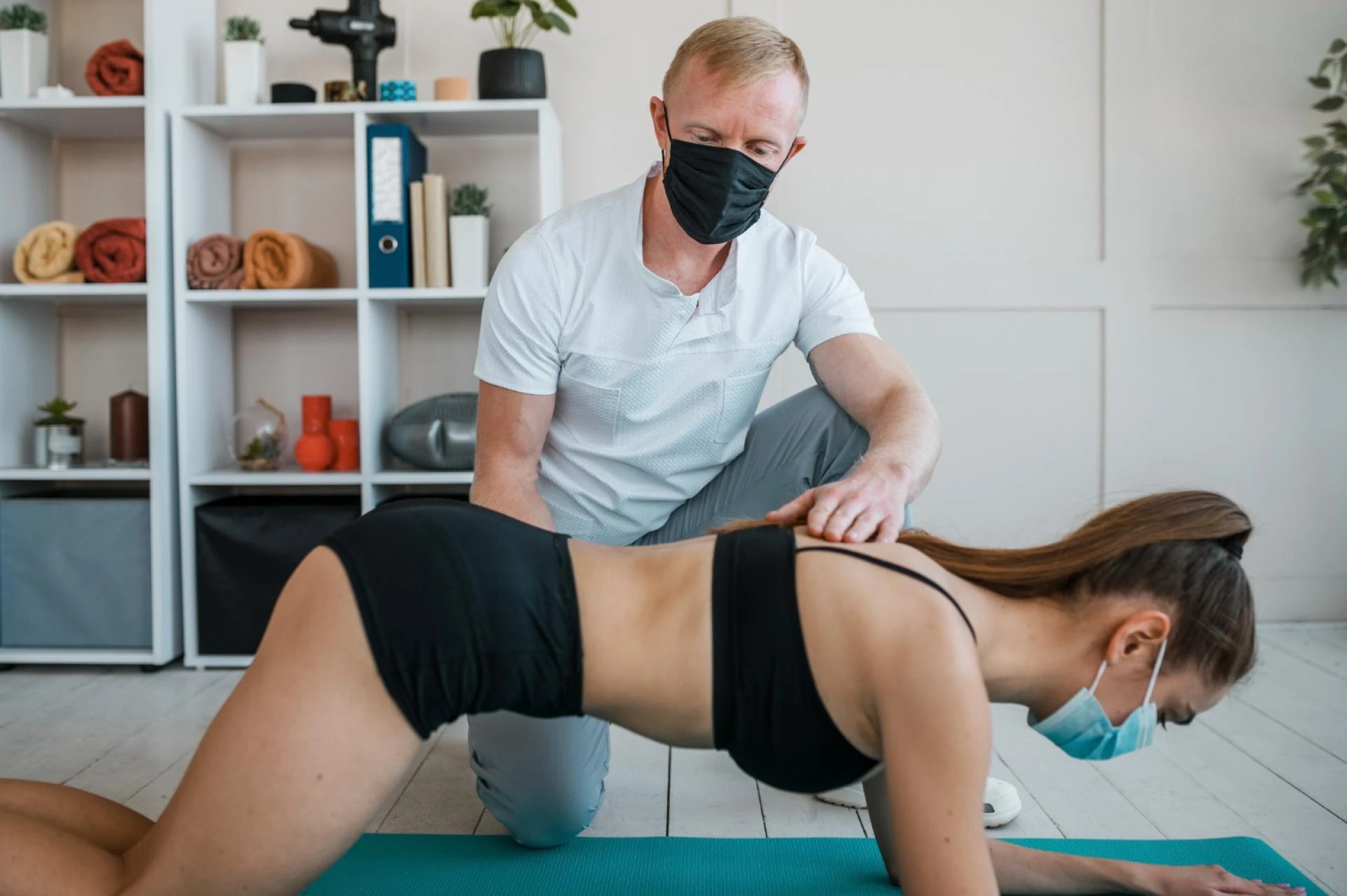

Athletes, whether recreational or competitive, often push their bodies to the limit. Unfortunately, this can lead to injuries that disrupt training, competition, and everyday life. Many athletes assume surgery is the only option for recovery, but in many cases, non-invasive approaches can provide lasting relief without long recovery times. If you are searching for sports injury treatment in West Omaha, understanding your options for non-surgical care is the first step toward faster healing and a safer return to activity.
Why Choose Non-Surgical Treatment?
Surgery is sometimes necessary, but it often involves long rehabilitation, risks of complications, and significant downtime. Non-surgical methods, on the other hand, focus on addressing the root cause of the injury while encouraging the body’s natural healing process. These techniques can:
- Reduce inflammation and pain
- Restore mobility and function
- Prevent further injury
- Support long-term athletic performance
For athletes eager to return to their sport, non-surgical care offers an effective balance of safety, efficiency, and results.
Chiropractic Adjustments for Joint and Spine Alignment
One of the most common underlying issues in sports injuries is poor alignment of the spine or joints. Misalignment can lead to uneven stress on muscles and ligaments, making injuries more likely and recovery slower. Chiropractic adjustments restore proper alignment, reduce nerve irritation, and improve overall movement patterns.
When combined with rehabilitation exercises, these adjustments not only ease pain but also help prevent future injuries. Athletes who receive regular chiropractic care often report better flexibility, quicker recovery after workouts, and enhanced performance.
Soft Tissue Therapy for Muscle Recovery
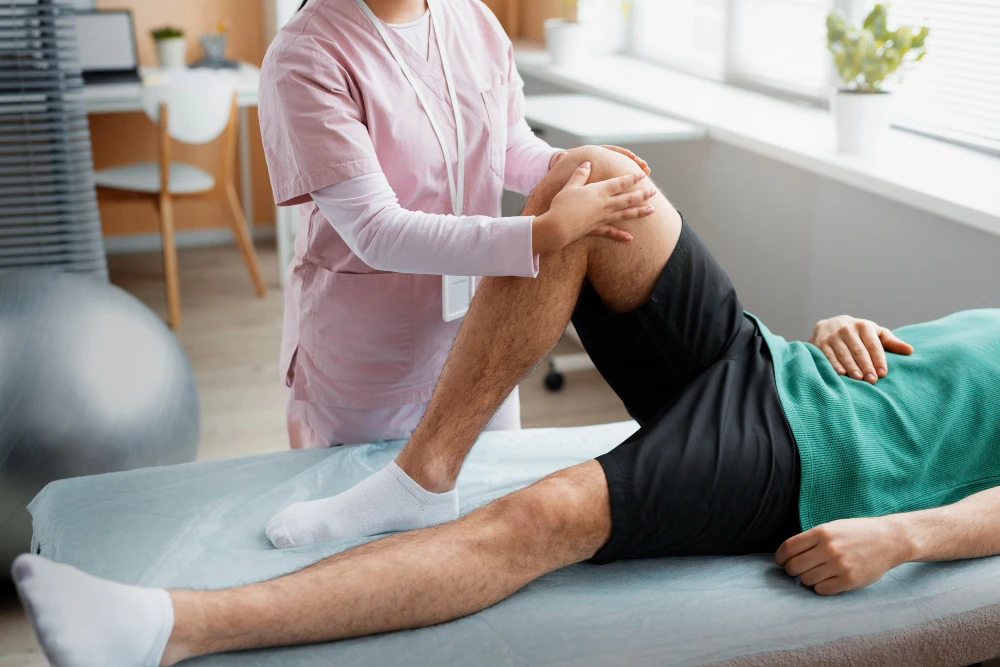
Muscle strains, sprains, and overuse injuries are frequent among athletes. Soft tissue therapies, such as myofascial release or trigger point therapy, target areas of tension and promote circulation. This helps muscles relax, reduces scar tissue buildup, and speeds up the healing process.
For example, runners struggling with hamstring tightness or tennis players with forearm pain can benefit greatly from focused soft tissue work. Not only does this reduce discomfort, but it also improves range of motion so athletes can return to activity with more confidence.
Rehabilitation and Corrective Exercise
A crucial part of non-surgical recovery is retraining the body to move correctly. Rehabilitation exercises strengthen weak areas, improve balance, and correct faulty movement patterns that contribute to injury.
A personalized program might include:
- Core strengthening for stability
- Flexibility drills to reduce stiffness
- Functional exercises that mimic athletic movements
- Balance and coordination work to prevent re-injury
By restoring both strength and movement mechanics, rehabilitation ensures that healing is not only quicker but also more complete.
Lifestyle and Nutritional Support
Recovery doesn’t end at the clinic. Lifestyle habits play a significant role in how quickly the body heals. Proper nutrition provides the building blocks for tissue repair, while hydration supports circulation and joint health. Adequate rest allows the body to recover from training and treatment.
Many athletes also benefit from ergonomic adjustments in their daily lives—such as better posture at work, improved sleep positioning, or supportive footwear. These small changes reduce stress on injured areas and promote long-term wellness.
Advanced Non-Surgical Modalities
In addition to manual therapies, advanced non-invasive modalities are often used to speed up healing. These may include:
- Electrical stimulation (E-stim): Reduces pain and promotes muscle recovery
- Ultrasound therapy: Improves blood flow and breaks down scar tissue
- Cold laser therapy: Stimulates cellular repair and reduces inflammation
These modern approaches complement chiropractic care and rehabilitation, offering a well-rounded recovery plan for athletes.
The Benefits of a Comprehensive Approach
No single treatment works for every injury. That’s why effective sports injury treatment in West Omaha often combines multiple strategies tailored to the individual’s needs. A sprinter with shin splints may need a different plan than a basketball player recovering from a shoulder strain.
By integrating chiropractic adjustments, soft tissue therapy, corrective exercises, and advanced modalities, athletes get the best chance at a quicker recovery without relying on surgery. This comprehensive approach not only speeds up healing but also strengthens the body to prevent future setbacks.
When to Seek Professional Help
Minor soreness is common in sports, but persistent pain, swelling, or limited mobility should never be ignored. Early intervention makes a huge difference in recovery time. If you notice ongoing discomfort or recurring injuries, consulting a professional ensures you receive the right treatment plan before the condition worsens.
Conclusion
Sports injuries don’t always require surgery. With the right care, athletes can recover faster, regain mobility, and return to the activities they love with less downtime. A balanced, non-invasive approach that includes chiropractic care, soft tissue therapy, rehabilitation, and supportive lifestyle changes is often the most effective solution. If you’re looking for trusted sports injury treatment in West Omaha, turn to Kosak Chiropractic. Their experienced team provides personalized, evidence-based care designed to help athletes heal faster, reduce pain, and get back in the game safely.






























Sign in to leave a comment.