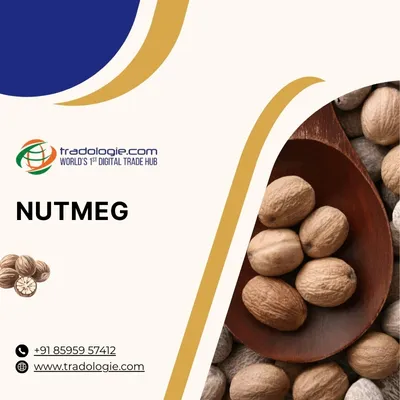

Global Nutmeg Market Overview
Nutmeg is more than just a common kitchen spice—it is a high-value agricultural commodity traded across a complex global supply chain. According to data from the Food and Agriculture Organization (FAO), global nutmeg production often exceeds 100,000 metric tons annually.
Indonesia dominates the global market, contributing nearly 70% of total supply. However, India is steadily emerging as a reliable exporter, offering consistent quality and strong trade infrastructure.
For bulk buyers, understanding global production trends is essential. Even minor climate changes in key producing regions can significantly impact supply and pricing. This makes market awareness critical for securing the best bulk deals.
Nutmeg Cultivation: From Farm to Harvest
The success of the nutmeg trade depends heavily on its cultivation process. Nutmeg comes from the evergreen tree Myristica fragrans, which thrives in tropical climates.
Key Growing Conditions:
- Well-drained, loose soil
- High humidity levels
- Annual rainfall of 1,500–2,500 mm
Nutmeg farming requires long-term investment:
- Trees begin fruiting after 7–9 years
- Peak production occurs after 20 years
- A mature tree yields 1,000–2,000 fruits per season
Because of this slow growth cycle, supply cannot quickly increase during demand spikes. Therefore, buyers should secure long-term contracts with reliable suppliers to maintain consistent inventory.
India’s Role in the Global Nutmeg Trade
India has a strong legacy in the global spice industry and is becoming a key exporter of nutmeg. The primary production regions include:
- Kerala
- Tamil Nadu
- Karnataka
These regions benefit from ideal monsoon conditions, producing nutmeg with high oil content and strong aroma, meeting international quality standards.
Indian exporters have also adapted to global compliance requirements by:
- Using advanced sorting and processing systems
- Managing large-scale bulk orders efficiently
- Leveraging strategic shipping routes for global distribution
This combination of quality and logistics makes India a trusted sourcing destination.
Nutmeg Quality Grades Explained
Understanding quality grades is essential for cost-effective bulk purchasing. Nutmeg is classified based on appearance and usage:
| Grade | Characteristics | Usage |
|---|---|---|
| ABCD (Whole) | Large, intact nuts, high oil content | Premium retail & gourmet cooking |
| Sound / FAQ | Minor marks, good quality | Food processing & spice blends |
| Shriveled | Small, wrinkled nuts | Oil extraction |
| BWP (Broken/Wormy) | Damaged nuts | Industrial applications |
Selecting the right grade ensures buyers avoid overpaying for unnecessary quality.
Key Factors Affecting Bulk Nutmeg Prices
Nutmeg pricing is influenced by several dynamic factors:
1. Dual Spice Output
Nutmeg harvest produces both:
- Nutmeg seed
- Mace (outer covering)
A surge in mace demand can indirectly increase nutmeg prices.
2. Weather & Supply Risks
Nutmeg grows in limited tropical regions. Weather disruptions can reduce supply significantly. For example, droughts in Kerala can cut global supply by 10–15%, leading to rapid price increases.
3. Logistics & Shipping Costs
Freight charges, container availability, and fuel prices directly impact final costs (FOB and CIF pricing).
Import Regulations & Quality Compliance
Global spice trade requires strict adherence to safety standards. One of the most critical factors is moisture control.
- Maximum moisture limit: Below 10% (ESA standards)
- Excess moisture can lead to fungal growth (Aspergillus flavus)
- This fungus produces aflatoxins, a major cause of shipment rejection
To prevent this:
- Suppliers use advanced drying systems
- Packaging includes jute bags with moisture-proof liners
Reliable exporters prioritize these measures to ensure safe delivery.
Future of Nutmeg Trade & Sustainable Sourcing
The future of the nutmeg industry depends on sustainable farming practices and ethical sourcing.
Modern buyers increasingly prefer:
- Shade-grown farming methods
- Environment-friendly cultivation
- Fair-trade partnerships with farmers
Working with responsible exporters ensures:
- Long-term supply stability
- Better product quality
- Alignment with global sustainability standards
Conclusion
The global nutmeg trade offers strong opportunities for bulk buyers and exporters. While Indonesia leads in production, India stands out as a trusted, high-quality supplier with strong logistics and compliance systems.
Understanding cultivation cycles, grading standards, pricing factors, and global regulations is essential for making profitable buying decisions. By partnering with reliable and ethical suppliers, businesses can secure consistent quality and long-term value in the international spice market.



























Sign in to leave a comment.