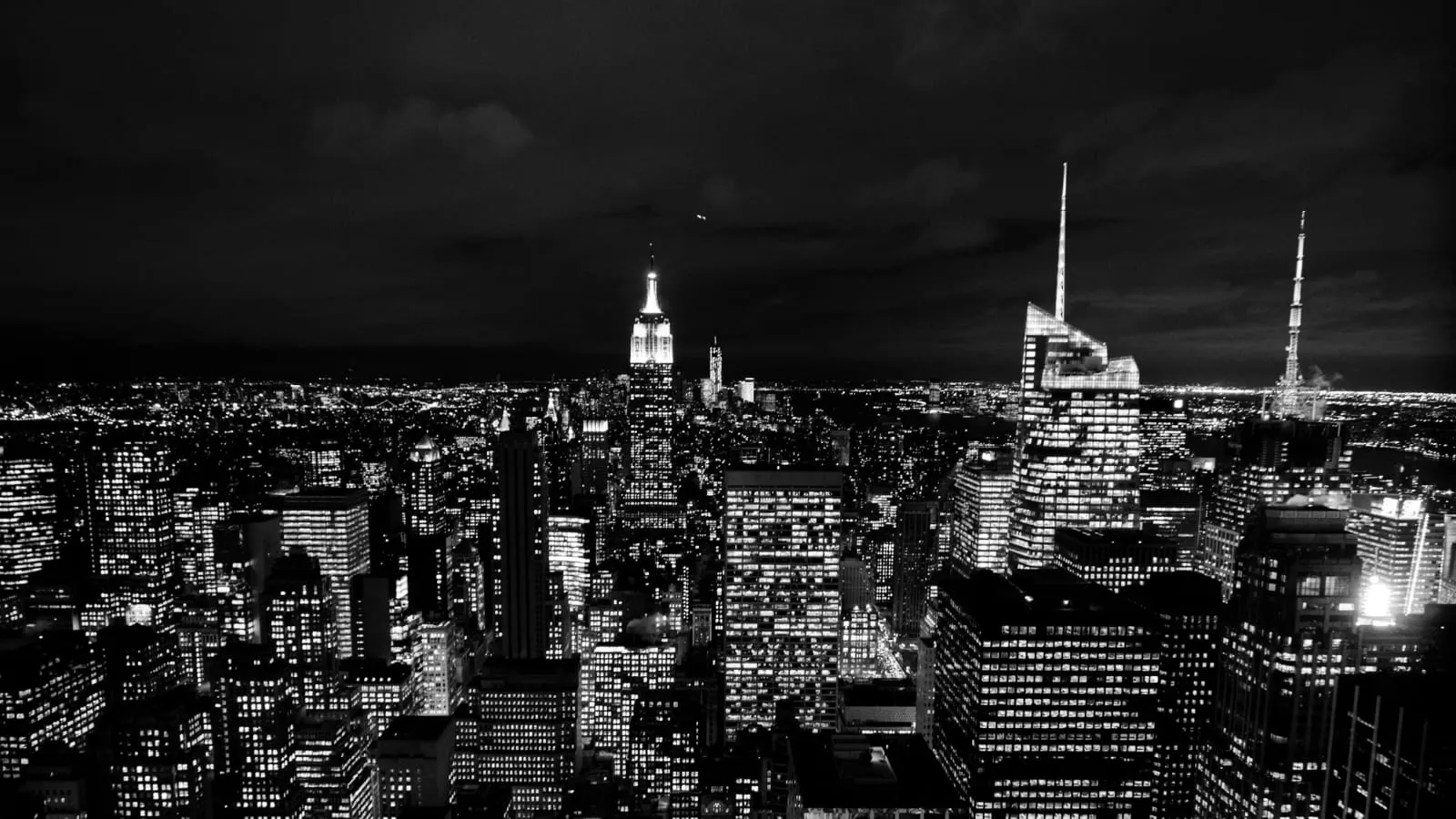

New York City is not just one city in the way many visitors imagine. It is a collection of neighborhoods, each with its own mood, food, streets, people, history, and daily rhythm. You can leave a busy avenue filled with tourists and, within minutes, find yourself on a quiet residential street.
That is what makes New York so interesting. Two people can visit the same city and have completely different experiences depending on where they spend their time.
For first-time visitors, this can also create a problem. You may look at a map and see dozens of neighborhoods without knowing which ones are actually worth visiting. You might wonder where to stay, where to eat, where to walk, or which areas fit your interests.
The answer depends on what you want from your trip. If you love shopping, you will probably enjoy different areas than someone who wants historic streets and quiet cafés. Families may prefer parks and open spaces, while nightlife lovers may want neighborhoods that stay active after dark.
Before you start planning every hour, it helps to understand what makes each area special. This NYC neighborhood guide can give you a useful starting point for thinking about different parts of the city and choosing places that match your travel style.
Manhattan Neighborhoods Worth Exploring
Manhattan is where many first-time visitors begin. It contains a large number of famous attractions, but its neighborhoods can feel completely different from one another.
Midtown Manhattan
Midtown is busy, central, and packed with famous sights.
Times Square, Rockefeller Center, Fifth Avenue, and the Empire State Building are all nearby or easily accessible.
It is a practical area for sightseeing because you can reach many major attractions without spending the whole day traveling.
The downside is that Midtown can feel crowded and fast. If you prefer quiet streets, you may enjoy visiting the attractions here and then spending more time in another neighborhood.
Greenwich Village
Greenwich Village offers a slower and more relaxed experience.
Its streets, cafés, restaurants, and historic character make it a favorite for people who enjoy walking without a strict schedule.
You can spend an afternoon here simply exploring. Stop for coffee, look at the buildings, have lunch, and keep walking.
This is one of those areas where you do not need a long list of attractions. The neighborhood itself is the experience.
SoHo
SoHo is well known for shopping, art, restaurants, and its distinctive cast-iron buildings.
It is a good choice if you enjoy fashion and city photography.
The streets can become busy, especially around popular shopping areas, but there are plenty of side streets where you can slow down.
SoHo also connects conveniently with nearby areas, making it easy to combine with Chinatown, Little Italy, or Greenwich Village.
Chelsea
Chelsea has a mix of galleries, restaurants, markets, residential streets, and popular attractions.
The High Line is one of the best-known reasons people visit the area. This elevated public park gives you a different way to see Manhattan.
Walking the High Line is especially enjoyable when you are not rushing. Take your time, enjoy the plants and city views, and stop when something catches your attention.
Lower Manhattan Has Its Own Story
Lower Manhattan is important for visitors who want to understand more about New York's history.
Financial District
The Financial District is home to Wall Street, historic buildings, and busy streets surrounded by modern skyscrapers.
During the working day, the area can feel very active. Outside business hours, some parts become noticeably quieter.
It is also close to the waterfront and Battery Park, so you can combine sightseeing with a relaxing walk.
Chinatown
Chinatown is one of the best neighborhoods to explore if food is a major part of your trip.
You can find dumplings, noodles, roasted meats, seafood, bakeries, and many other dishes.
Do not rush through the area. Walk around and pay attention to the small shops and food businesses along the streets.
You can also combine Chinatown with nearby Little Italy and SoHo.
Brooklyn: A Different Side of New York
Crossing into Brooklyn can make your trip feel like a new chapter.
DUMBO
DUMBO is popular for its waterfront setting and views of Manhattan.
It is especially easy to visit after walking across the Brooklyn Bridge.
Spend some time around Brooklyn Bridge Park. Sit near the water, take photos, and enjoy the skyline.
If you are lucky enough to be there around sunset, stay a little longer. The changing light can completely change the view.
Williamsburg
Williamsburg is known for restaurants, cafés, shops, music, and a lively neighborhood atmosphere.
It is a good place for travelers who enjoy discovering local businesses rather than only visiting traditional tourist attractions.
You can spend an afternoon eating, shopping, walking, and exploring without needing a strict itinerary.
Queens Offers Food and Culture
Queens is often overlooked by first-time visitors, but that can be a mistake.
It is one of the most culturally diverse parts of New York City and has an impressive food scene.
Flushing
Flushing is especially well known for Chinese and other Asian cuisines.
If you are interested in food, this is a place where exploring the neighborhood can be just as enjoyable as visiting a major attraction.
Try something unfamiliar. Ask questions if you are unsure what to order. Food can be one of the easiest ways to experience a different part of the city.
Long Island City
Long Island City offers excellent views across the East River toward Manhattan.
It is also convenient for travelers who want to experience Queens while remaining close to Manhattan.
The waterfront is a good place to relax after a busy day.
The Bronx Deserves Attention Too
The Bronx has its own strong identity and history.
It is home to Yankee Stadium, the Bronx Zoo, the New York Botanical Garden, and many local communities.
The New York Botanical Garden can be especially appealing if you want a break from dense city streets.
The Bronx also offers a chance to experience parts of New York that many short tourist trips completely miss.
How to Choose the Right Neighborhood
You do not need to visit every neighborhood.
Instead, ask yourself a few simple questions.
Do You Love Food?
Consider Chinatown, Flushing, Greenwich Village, or parts of Brooklyn.
Do You Like Shopping?
SoHo and Fifth Avenue are obvious choices, while Williamsburg can offer a different shopping experience.
Do You Prefer Parks and Open Space?
Central Park, the High Line, Brooklyn Bridge Park, and the New York Botanical Garden are worth considering.
Do You Want History?
Lower Manhattan, Greenwich Village, and several historic areas across Brooklyn can give you a deeper sense of the city's past.
Do You Want Nightlife?
Look toward neighborhoods such as the Lower East Side, Greenwich Village, Williamsburg, and other areas known for evening restaurants, bars, music, and entertainment.
Why You Should Not Stay in One Area the Entire Trip
It can be tempting to stay close to your hotel and only explore nearby places.
That is convenient, but you may miss what makes New York special.
Try to explore at least two or three different parts of the city.
For example, spend one day in Midtown and Central Park, another around Lower Manhattan and Brooklyn, and another exploring a neighborhood such as Greenwich Village or Williamsburg.
This gives you a better sense of how much the city changes from one area to another.
A Simple Way to Plan Your Neighborhood Visits
Avoid crossing the entire city several times a day.
Group nearby neighborhoods together.
For example, SoHo, Chinatown, Little Italy, and Greenwich Village can work well as part of a Lower Manhattan day.
Likewise, you can combine the Brooklyn Bridge with DUMBO and Brooklyn Bridge Park.
This saves time and gives you more energy for exploring.
Final Thoughts
The real charm of New York is not limited to its famous landmarks.
It is found in the neighborhoods between them.
One street may be filled with tourists while the next has people buying groceries, walking their dogs, meeting friends, and heading home from work. That everyday life is part of what makes the city feel real.
Use a NYC neighborhood guide to get your bearings, but do not be afraid to wander a little. Pick areas that match your interests, explore them slowly, and give yourself time to notice the small details.
You may arrive with a list of famous places, but the neighborhood you almost skipped might end up being the part of New York you remember most.























Sign in to leave a comment.