

Watching a child grow is filled with exciting milestones, from taking their first steps to learning how to hold a pencil, button a shirt, or ride a bicycle. While every child develops at their own pace, some may experience difficulties with movement, coordination, balance, or everyday activities that seem simple for others. These challenges can affect not only physical development but also confidence, independence, and participation at school and home.
Motor skill difficulties are more common than many parents realize, and they do not always improve without guidance. Early identification and professional intervention can help children strengthen essential life skills while preventing small developmental concerns from becoming bigger obstacles later.
If you have noticed that your child struggles with daily tasks or appears less coordinated than their peers, understanding how occupational therapy works could be the first step toward helping them succeed.
What Are Motor Skills and Why Do They Matter?
Motor skills are the movements children use every day to explore, play, learn, and care for themselves. They are generally divided into two categories.
Gross motor skills involve larger muscle groups and include activities such as walking, running, jumping, climbing stairs, balancing, and playing sports.
Fine motor skills involve smaller muscles in the hands and fingers. These skills are essential for writing, drawing, using scissors, buttoning clothes, holding utensils, and managing classroom activities.
When children experience delays in either area, everyday routines can become frustrating and may affect their learning, confidence, and social participation.
Signs Your Child May Need Occupational Therapy
Parents often notice subtle challenges long before teachers or caregivers do. While occasional clumsiness is a normal part of childhood, persistent difficulties deserve professional attention.
Some common signs include:
- Frequent tripping or poor balance
- Difficulty holding pencils or crayons correctly
- Trouble using scissors or completing craft activities
- Challenges with dressing, buttoning, or tying shoelaces
- Weak hand strength or poor handwriting
- Difficulty sitting still during classroom tasks
- Sensitivity to certain sounds, textures, or clothing
- Avoiding playground activities or physical games
- Trouble following multi-step daily routines
These challenges may have different underlying causes, making a comprehensive developmental assessment an important first step.
How Occupational Therapy Supports Child Development
Occupational therapy focuses on helping children participate more independently in everyday activities. Rather than simply practicing exercises, therapy is designed around meaningful tasks that build practical life skills.
In the middle of the intervention journey, many families begin searching for an experienced occupational therapist in Jaipur who can assess their child's unique developmental needs and create personalized therapy programs that support motor coordination, sensory processing, self-care, learning, and overall independence.
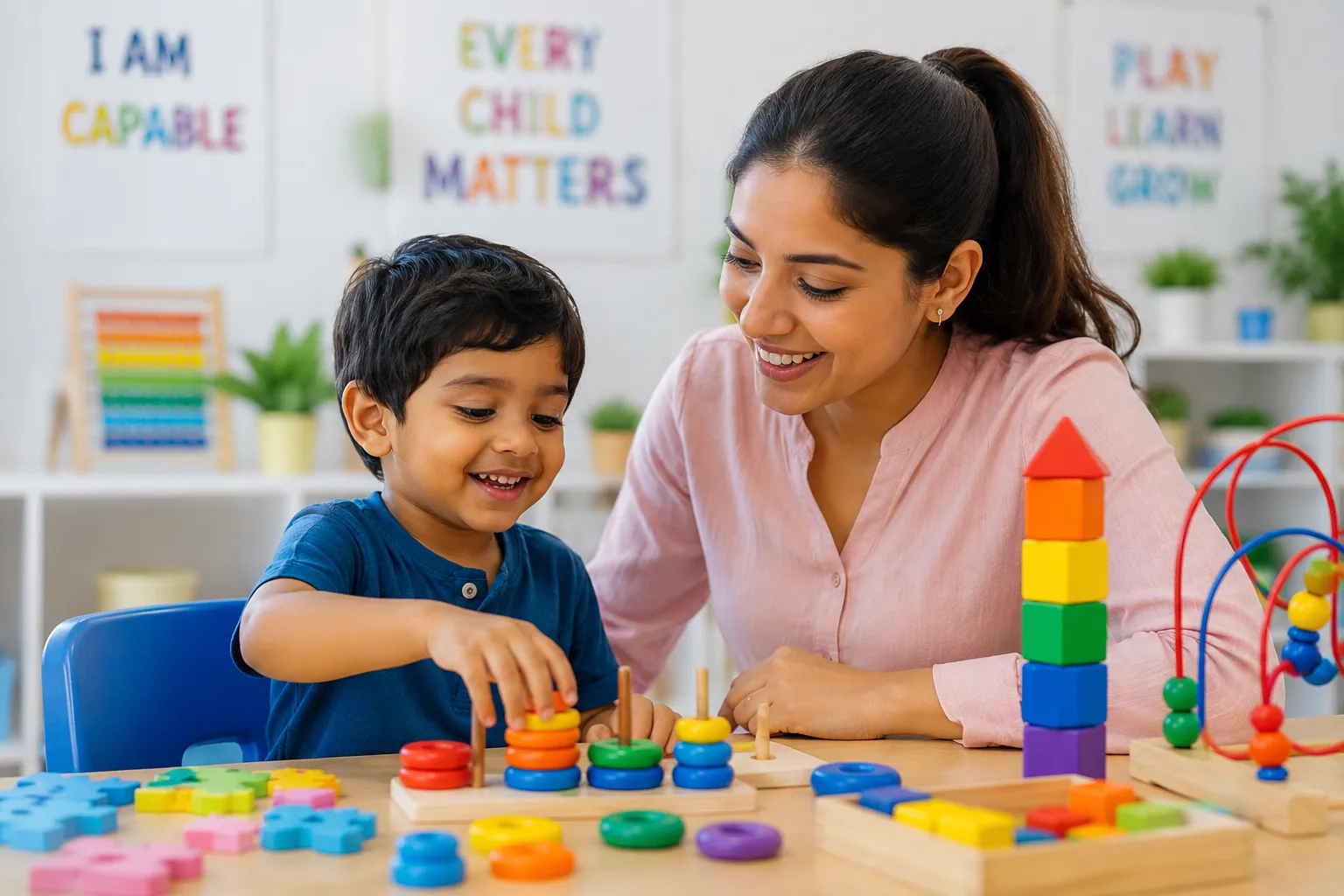
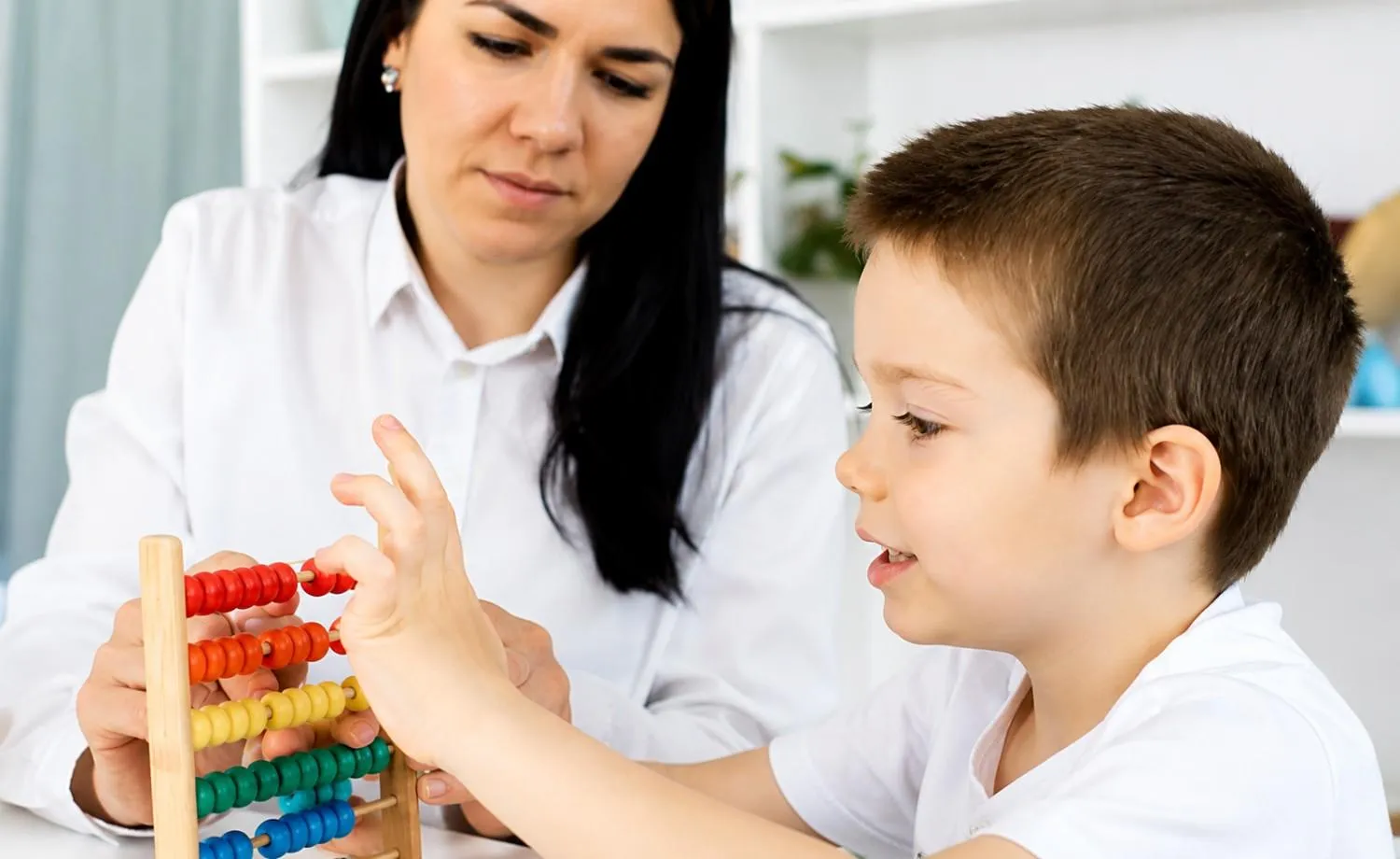
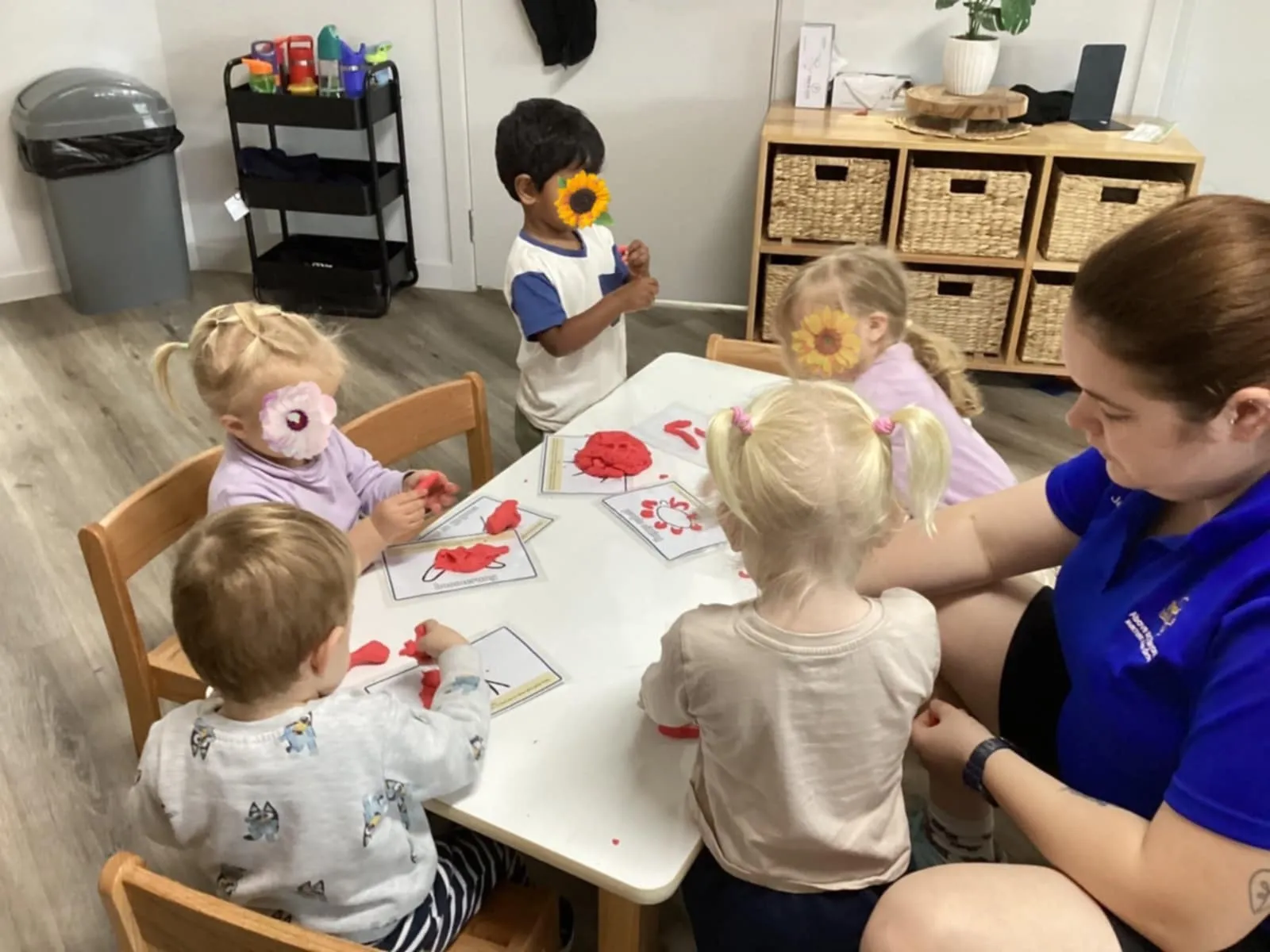
Therapy sessions are engaging, play-based, and carefully adapted to each child's abilities. Activities are designed to improve both physical skills and confidence while making learning enjoyable.
What Happens During Occupational Therapy Sessions?
Every child receives an individualized treatment plan based on their developmental profile. Therapy goals are adjusted regularly as children gain new skills and become more independent.
Sessions may include activities that strengthen:
- Hand-eye coordination
- Fine motor control
- Balance and posture
- Bilateral coordination
- Sensory processing abilities
- Core muscle strength
- Visual perception
- Self-care routines such as dressing and feeding
- School readiness skills
Therapists use games, obstacle courses, puzzles, sensory equipment, creative play, and structured exercises to encourage learning in a positive environment.

Why Early Intervention Makes a Lasting Difference
Children's brains and bodies are highly adaptable during the early years. When support begins early, children often learn new movement patterns more efficiently and gain confidence before academic and social expectations become more demanding.
Early occupational therapy can help children:
- Build independence in daily routines
- Improve classroom participation
- Strengthen attention and concentration
- Develop better coordination and balance
- Increase confidence during play
- Improve handwriting readiness
- Enhance social participation
- Reduce frustration during everyday tasks
Early intervention is not about rushing development-it is about providing children with the right support at the right time.
A Collaborative Approach Benefits Every Child
Motor development rarely exists in isolation. Many children benefit from coordinated care involving professionals from multiple disciplines.
Depending on a child's individual needs, families may also work with experts providing Special Education in Jaipur, specialists offering Pediatric Occupational Therapy in Jaipur, speech and language therapists, developmental pediatric professionals, and clinicians experienced in Autism Disorder Treatment in Jaipur when additional developmental support is appropriate.
Collaboration among professionals ensures that therapy goals remain consistent across clinical sessions, school environments, and daily routines at home.
Parents Are an Essential Part of Progress
Children spend only a limited amount of time in therapy each week. The greatest progress often happens when families continue practicing new skills during everyday activities.
Parents can support development by:
- Encouraging active outdoor play
- Practicing fine motor activities through drawing and crafts
- Allowing children to complete age-appropriate self-care tasks independently
- Creating structured daily routines
- Limiting excessive screen time
- Celebrating effort rather than perfection
- Following home exercise recommendations provided by therapists
Simple daily practice helps children transfer newly learned skills into real-life situations with greater confidence.
Choosing the Right Occupational Therapy Center
Selecting the right therapy center can have a significant impact on your child's developmental journey. Look for a team that values individualized care, family involvement, and evidence-based intervention.
When exploring your options, consider asking:
- Is a detailed developmental assessment completed before therapy begins?
- Are therapy goals tailored to each child's needs?
- How is progress monitored over time?
- Are parents regularly updated and involved?
- Is the therapy environment engaging, safe, and child-friendly?
- Does the center provide multidisciplinary support if additional services are needed?
A center that combines professional expertise with compassionate care creates an environment where children feel encouraged to learn, grow, and succeed.
Every Small Achievement Builds a Stronger Future
Motor skills form the foundation for many aspects of childhood, including learning, play, independence, and social participation. When challenges are recognized early and addressed through personalized occupational therapy, children often develop the confidence and abilities needed to participate more fully in everyday life.
If your child is finding routine tasks difficult, seeking professional guidance is a positive step toward understanding their unique needs. With individualized intervention, family support, and consistent practice, children can continue developing the skills that help them become more independent, capable, and confident.
Every milestone, no matter how small it may seem, contributes to a brighter and more successful future for your child.

























Sign in to leave a comment.