

Every child learns, grows, and experiences the world differently. For children with autism, everyday activities such as holding a spoon, tying shoelaces, responding to sensory input, or participating in classroom tasks may require additional guidance and practice. This is where occupational therapy becomes an important part of a child's developmental journey.
Occupational therapy is not about changing who a child is. Instead, it helps children build practical life skills, improve independence, and gain confidence through personalized, evidence-based interventions. Whether the goal is improving fine motor coordination, sensory regulation, communication during play, or daily self-care, every small achievement contributes to meaningful long-term progress.
For families in Jaipur, understanding how occupational therapy works can make it easier to choose the right support and create a strong foundation for lifelong learning.
Why Small Milestones Matter More Than Big Expectations
Parents naturally hope to see rapid improvement after starting therapy. However, child development is a gradual process, and meaningful progress often happens through consistent small victories.
A milestone could be as simple as:
- Holding a pencil correctly
- Wearing shoes independently
- Following a two-step instruction
- Sitting calmly during a classroom activity
- Trying a new food texture
- Making eye contact during play
- Participating in group activities
Although these achievements may seem small, they represent significant progress in a child's independence, confidence, and daily functioning.
Understanding the Role of Occupational Therapy
Occupational therapy focuses on helping children participate successfully in everyday activities that are meaningful to them.
Instead of concentrating on one developmental area, therapists work on multiple skills that influence daily life.
These include:
Fine Motor Skills
Children practice activities that strengthen hand muscles and improve coordination for tasks such as:
- Writing
- Drawing
- Cutting with scissors
- Buttoning clothes
- Building with blocks
- Using classroom tools
Improved fine motor skills support both academic learning and everyday independence.
Sensory Processing
Many autistic children experience sensory differences that affect how they respond to sounds, textures, movement, light, or touch.
Occupational therapists design individualized sensory activities that help children become more comfortable and regulated in different environments.
This support often improves participation during:
- School
- Family outings
- Playtime
- Mealtimes
- Social activities
Daily Living Skills
Developing independence is one of the primary goals of occupational therapy.
Children gradually learn routines such as:
- Dressing
- Brushing teeth
- Washing hands
- Feeding themselves
- Organizing school materials
- Following daily schedules
Mastering these practical skills builds confidence that extends beyond therapy sessions.
How Occupational Therapy Sessions Are Designed
Every child has unique strengths, interests, and developmental needs. Because of this, therapy sessions are carefully personalized.
Experienced therapists typically begin with a comprehensive assessment that evaluates:
- Motor development
- Sensory processing
- Attention
- Balance and coordination
- Functional independence
- Play skills
- Social participation
Based on these findings, therapists create individualized goals that are reviewed regularly and adjusted as the child develops.
Evidence-Based Techniques That Support Development
Occupational therapists use a variety of proven approaches to make therapy engaging, meaningful, and effective.
Play-Based Learning
Children often learn best through enjoyable experiences.
Therapy may include:
- Interactive games
- Obstacle courses
- Creative art activities
- Building tasks
- Pretend play
- Problem-solving challenges
Play encourages communication, attention, motor planning, and social interaction in a natural way.
Sensory Integration Activities
Therapists may use movement-based exercises that help children process sensory information more effectively.
Activities often involve:
- Balance equipment
- Swings
- Climbing structures
- Deep-pressure exercises
- Movement games
These experiences support emotional regulation and improve participation in everyday environments.
Visual Supports and Structured Routines
Many children benefit from visual schedules and predictable routines.
These strategies help children:
- Understand expectations
- Transition between activities
- Reduce anxiety
- Build independence
- Complete tasks successfully
Consistency creates a sense of security while encouraging skill development.
Choosing the Right occupational therapy for autism jaipur
Families looking for occupational therapy for autism jaipur should choose centers that provide individualized assessments, measurable therapy goals, and active parent involvement. Effective occupational therapy focuses on building practical life skills rather than offering standardized programs. Therapists who collaborate with families and educators can help children apply newly learned skills across home, school, and community settings, creating meaningful progress that supports long-term independence and confidence.
Why Parent Participation Makes a Difference
Therapy is most successful when learning continues beyond the clinic.
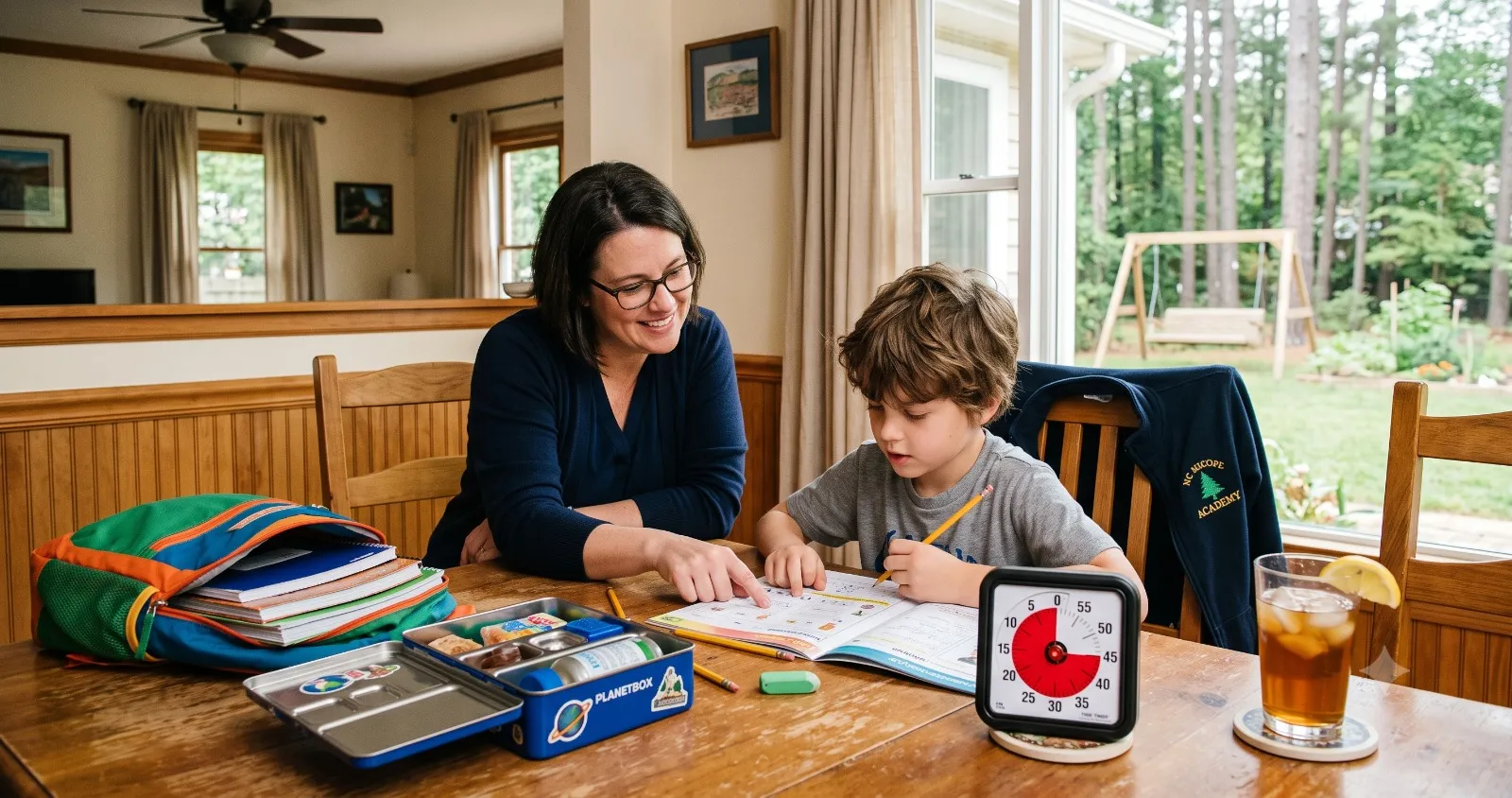
Parents play a valuable role by reinforcing therapy goals during everyday routines.
Simple activities at home include:
- Encouraging independent dressing
- Practicing handwriting through fun games
- Reading together daily
- Creating sensory-friendly play experiences
- Following visual routines
- Celebrating every achievement
Even a few minutes of consistent practice each day can strengthen the skills learned during therapy sessions.
Looking Beyond Therapy Sessions
Many children receiving occupational therapy also benefit from services offered at an autism therapy center jaipur, where professionals from different specialties work together to support overall development. A multidisciplinary environment may include speech therapists, psychologists, behavioral specialists, and special educators, allowing children to receive coordinated care tailored to their unique strengths and needs.
The Value of Comprehensive Developmental Care
Parents searching for the best autism treatment in jaipur often find that successful intervention combines multiple evidence-based therapies rather than relying on a single approach. Occupational therapy, speech therapy, behavioral support, and family guidance work together to strengthen communication, learning, sensory regulation, and daily living skills. This collaborative model helps children make steady progress across different areas of development.
Finding Long-Term Support for Your Child
Choosing a trusted autism support center jaipur involves more than comparing facilities or therapy schedules. Families should look for experienced professionals who provide transparent communication, personalized treatment plans, regular progress reviews, and compassionate guidance throughout the child's developmental journey. A supportive environment encourages children to grow at their own pace while giving parents the confidence to participate actively in every milestone.
Celebrating Every Step Forward
One of the greatest strengths of occupational therapy is its focus on meaningful progress rather than perfection. Every new skill-whether it is independently zipping a jacket, joining a group activity, completing a classroom task, or expressing a need more confidently-represents an important milestone worth celebrating.
These small successes gradually build resilience, independence, and self-esteem, helping children participate more fully in everyday life.
Final Thoughts
Occupational therapy is a journey built on patience, consistency, and individualized care. While progress may happen one step at a time, each milestone contributes to a stronger foundation for future learning, communication, and independence.
By choosing experienced professionals, staying actively involved in therapy, and recognizing the value of every achievement, parents can help their children develop practical life skills that extend far beyond the therapy room. With the right support, small steps today can become the big milestones that shape a brighter and more confident tomorrow.




























Sign in to leave a comment.