

Every child grows at their own pace, but there are moments when certain behaviors raise quiet concerns. Difficulty in holding a pencil, avoiding eye contact, trouble with balance, or challenges in daily routines-these are often brushed off as “just a phase.” In many cases, however, they point toward a developmental need that requires attention.
In Sikar, awareness around child development is gradually increasing. Parents are now looking beyond assumptions and seeking professional guidance early. Recognizing the difference between a temporary delay and a deeper developmental challenge can shape a child’s long-term progress.
What Does Occupational Therapy Focus On?
Occupational Therapy supports children in building the skills required for everyday activities. It focuses on improving motor coordination, sensory processing, attention span, and independence in daily tasks.
Instead of following a rigid method, therapy sessions are designed around the child’s needs. Activities may include guided play, sensory exercises, or task-based learning. The goal is simple-help the child perform everyday actions with more ease and confidence.
Signs That Should Not Be Ignored
Parents often wait, hoping things will improve naturally. While patience is important, certain signs should not be overlooked:
- Difficulty in holding objects or poor hand control
- Avoidance of textures, sounds, or physical activities
- Delayed speech or limited interaction
- Trouble following simple instructions
- Challenges with basic self-care tasks
These indicators don’t always mean a serious issue, but they do signal the need for evaluation.
Why Early Support Matters in Sikar
In growing cities like Sikar, access to structured developmental support is becoming more important than ever. Early intervention allows children to adapt and learn at a stage when their brain is most receptive.
Therapy at an early stage helps in:
- Building stronger motor and sensory foundations
- Improving focus and learning readiness
- Enhancing communication and interaction
- Reducing future dependency in daily tasks
Parents who act early often notice more consistent and long-term improvements.
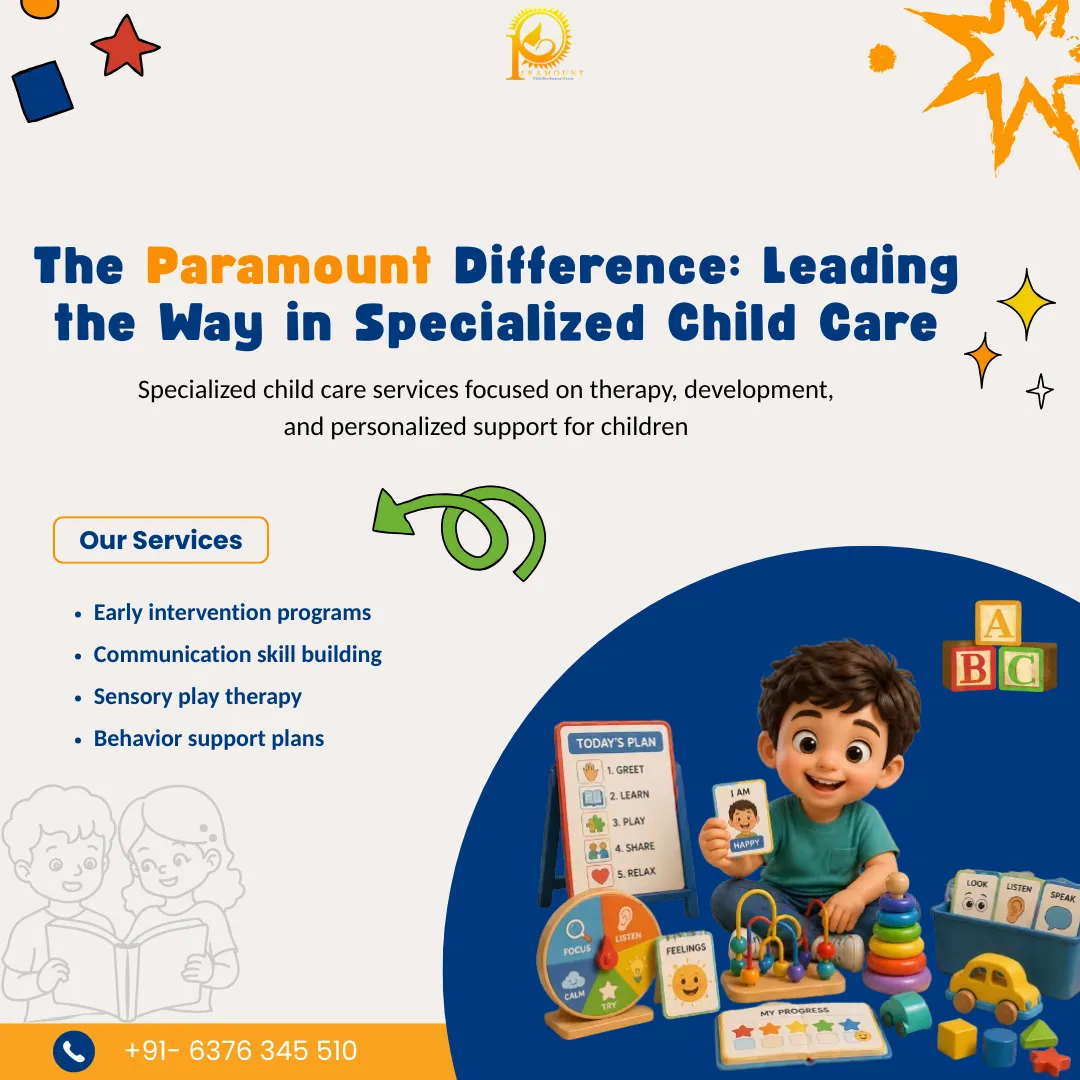
How Therapy Builds Everyday Confidence
The impact of therapy is not limited to sessions-it reflects in daily life. A child who once struggled with simple tasks begins to show independence. Small improvements, like buttoning a shirt or maintaining balance, create a sense of achievement.
Therapists work closely with families to ensure consistency. Simple activities at home reinforce what is practiced during sessions. This connection between therapy and home routine plays a major role in steady progress.
Moving Beyond the “Wait and Watch” Approach
Many parents in Sikar still follow a “wait and watch” approach, hoping children will catch up naturally. While this may work in some cases, it can delay necessary support in others.
A professional assessment provides clarity. It helps identify whether the child needs structured support or simply guidance at home. This clarity removes uncertainty and allows parents to make informed decisions.
A Practical Approach That Fits Indian Families
Therapy programs today are designed keeping family routines in mind. In Sikar, this means creating plans that are realistic and easy to follow at home.
- Short, structured sessions instead of long, tiring ones
- Activities that can be repeated in daily routines
- Continuous parent involvement
- Gradual progression based on the child’s comfort
This approach ensures that therapy feels like a part of life, not a separate process.
If you’ve noticed signs that feel uncertain or concerning, don’t ignore them. Early guidance can make a lasting difference in your child’s development. Seek professional support that focuses on practical skills, consistency, and long-term growth.
Conclusion
Not every delay is a phase, and not every concern means a serious condition-but understanding the difference is crucial. With the right support, children can overcome challenges and build essential life skills.
In Sikar, the shift toward early intervention is creating better outcomes for families. Choosing timely support is not just about addressing challenges-it’s about giving your child the confidence to move forward with ease.


























Sign in to leave a comment.