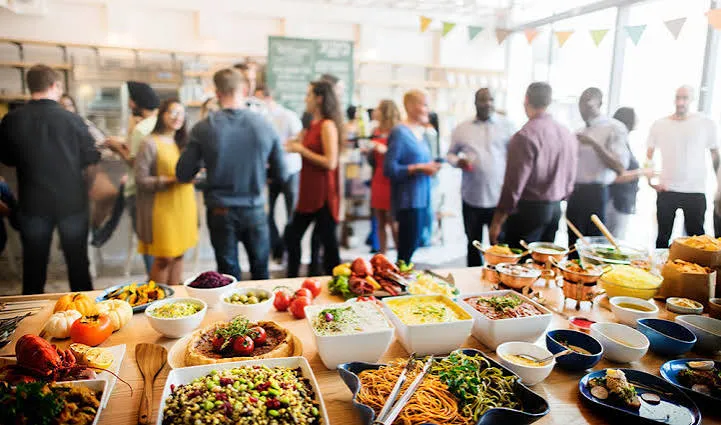

Most offices in India don't have a microwave. And the ones that do? You're standing in a queue behind 14 people at 1:15 PM, watching your lunch break vanish. The good news is that plenty of meals taste just as good (sometimes better) at room temperature, as long as you build them with the right ingredients. These eight office lunch ideas no microwave India style will keep you full, satisfied, and out of that depressing microwave line.
I used to work out of a co-working space in Koramangala, Bengaluru, where the shared kitchen had exactly one microwave for 200-odd people. After two weeks of eating lukewarm dal rice that tasted like cardboard, I gave up on hot lunches entirely. Turns out, cold lunches can be genuinely good if you stop treating them as compromises.
The Indian office microwave problem
Here's what nobody talks about: the microwave queue is a productivity killer. A colleague of mine at an IT park in Hinjewadi, Pune tracked his lunch routine for a week. Between waiting for the microwave, reheating, and cleaning up, he was losing 18-22 minutes daily. That's almost two hours every week, gone.
But the bigger issue isn't time. It's taste. Reheated dal becomes thick and gloopy. Chapatis turn rubbery. Rice dries out. Sabzi loses its texture entirely. The microwave doesn't restore your meal to its fresh state. It just makes it warm and slightly worse.
Indian tiffin culture already solved this problem decades ago. Your grandmother didn't pack reheatable meals. She packed food that was designed to taste good at room temperature. Parathas, theplas, curd rice, poha, sandwich rolls. We just forgot the formula somewhere between office cafeterias and food delivery apps.
Why room-temperature meals need the right binding agent
Cold food has one fundamental problem: dryness. Without heat, starches tighten up, bread gets stiff, and fillings feel disconnected from the base. That's why a plain chapati roll with dry sabzi tastes terrible by noon but a paratha stuffed with something creamy still works.
The fix is simple. Every cold meal needs a binding layer, something moist and flavourful that keeps everything cohesive. This could be curd, a spread, chutney, hummus, or even a thin layer of ghee.
| Binding agent | Works best with | Stays stable till | Notes |
|---|---|---|---|
| Thick curd | Rice, parathas | 5-6 hours | Add salt and tempering before packing |
| Green chutney | Wraps, sandwiches | 4-5 hours | Tends to soak bread if applied too thick |
| Hummus | Veggie boxes, pita | 6-7 hours | Holds up the longest at room temp |
| Cream cheese | Sandwiches, rolls | 5-6 hours | Expensive for daily use (₹165 for 180g) |
| Ghee-based spread | Parathas, wraps, pasta | 5-6 hours | Flavour actually improves as it sits |
| Pesto (homemade) | Pasta, sandwiches | 4-5 hours | Basil oxidises, so add lemon juice |
I honestly didn't expect the ghee-based spread to hold up so well in packed lunches. Most oil-based condiments separate or get greasy after a few hours, but ghee stays more stable at room temperature because of its higher saturated fat content. That's just how the chemistry works.
Eight no-reheat lunches that actually taste good
These aren't "fancy meal prep" ideas from Pinterest. They're practical, affordable, and use ingredients you can find at any kirana store in Ahmedabad, Mumbai, or Jaipur.
1. Paneer tikka wraps with mint spread
Slice 100g paneer into strips, marinate with 1 teaspoon tikka masala and a tablespoon of curd. Pan-sear for 3 minutes. Spread mint chutney on a roomali roti, layer the paneer, add sliced onion and capsicum. Roll tight, wrap in foil. The chutney keeps everything moist for hours.
2. Cold pasta salad with Italian seasoning
Cook 120g fusilli until al dente (not mushy, this matters). Toss while warm with 1 tablespoon olive oil, half a teaspoon of oregano, diced tomatoes, corn, and chopped olives. Add salt and black pepper. This actually tastes better cold than hot because the pasta absorbs the seasoning as it sits.
3. Stuffed aloo parathas with a creamy layer
Make your regular aloo paratha but spread a thin layer of a flavoured spread on the inside before folding. I've been trying a pizza pasta spread made with A2 ghee for this, and the oregano-tomato flavour turns a basic paratha into something that tastes like a stuffed garlic bread. Pack with a small container of pickle on the side.
4. Rice paper rolls with peanut dip
Soak rice paper sheets in warm water for 15 seconds. Fill with shredded carrot, cucumber, boiled vermicelli, fresh mint, and a few roasted peanuts. Roll tightly. Carry peanut dip separately (2 tablespoons peanut butter, 1 teaspoon soy sauce, a squeeze of lime, thin with water). These stay fresh for 4-5 hours if you keep them wrapped in damp kitchen tissue inside a container.
5. Curd rice (the original no-microwave lunch)
This is possibly India's most time-tested packed lunch. Cook 100g rice, mix with 150ml thick curd while still warm, add salt, a tempering of mustard seeds, curry leaves, green chilli, and a teaspoon of urad dal. Let it cool, then pack. Curd rice was engineered for room temperature eating. The curd acts as both binding agent and flavour carrier.
6. Hummus and veggie tiffin box
This one needs a compartmented tiffin box. Scoop 4-5 tablespoons of hummus into one section. In the others, pack sliced cucumber, cherry tomatoes, carrot sticks, and 2-3 mini whole wheat pitas or khakhra. Hummus costs about ₹189 for 200g if you buy it, or roughly ₹40 if you make it at home with canned chickpeas.
7. Pesto sandwiches with roasted veggies
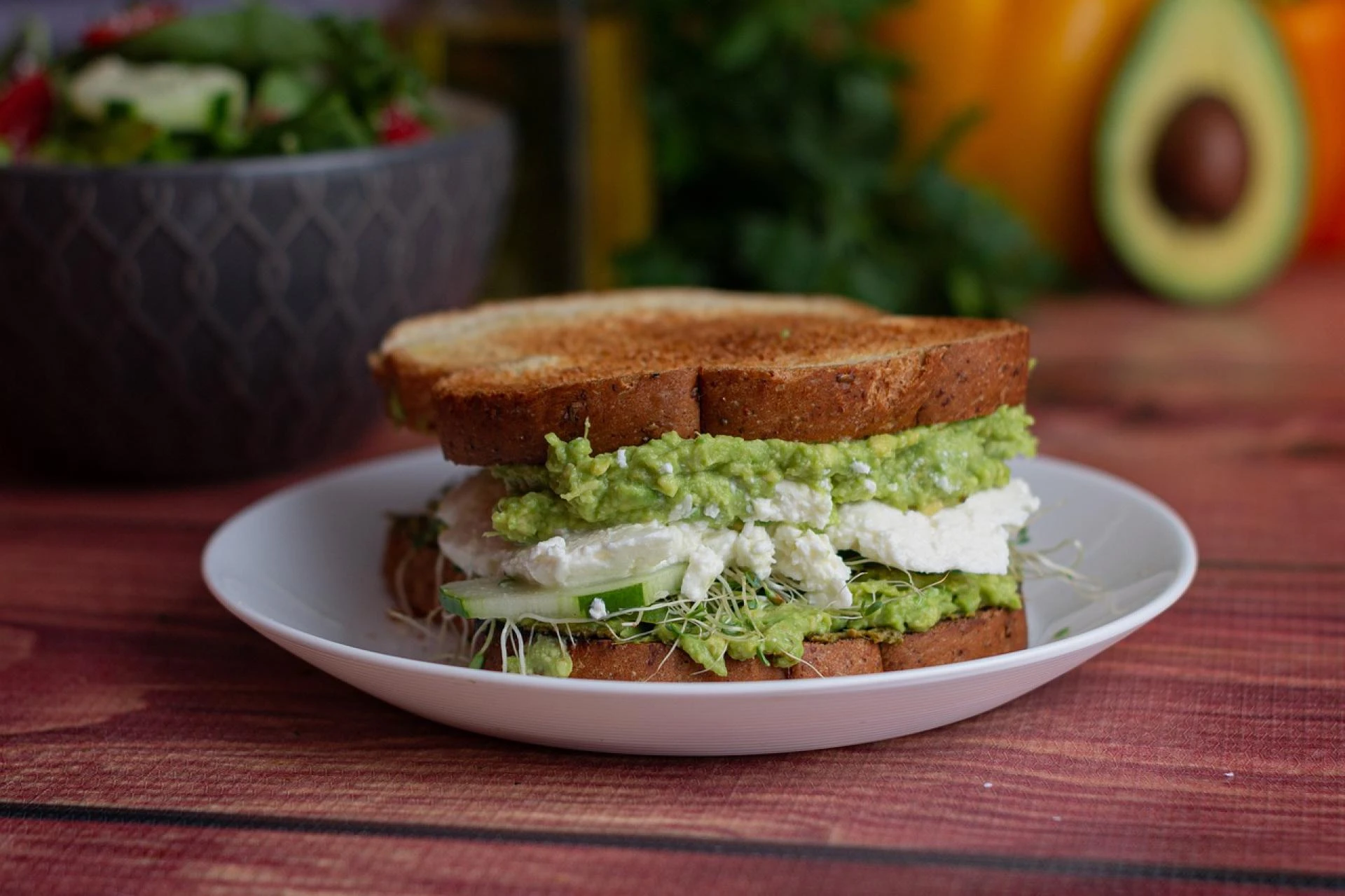
Blend fresh basil (a small bunch, roughly ₹15 from the sabzi mandi), 2 tablespoons pine nuts or cashews, a clove of garlic, 2 tablespoons olive oil, and salt. Spread generously on multigrain bread. Layer with roasted zucchini, bell pepper, and a slice of cheese. The pesto prevents the bread from going dry, and the roasted veggies taste fine at room temperature.
8. Cold sesame noodle bowl
Boil 100g Hakka noodles, drain, and immediately toss with 1 teaspoon sesame oil to prevent sticking. Mix with julienned carrot, shredded cabbage, sliced spring onion, and a dressing of 1 tablespoon soy sauce, 1 teaspoon rice vinegar, half a teaspoon of chilli oil, and a pinch of sugar. Pack in a leak-proof container. A friend of mine in Powai, Mumbai eats this three days a week and swears it's better cold than the hot version from the office canteen.
The "spread layer" hack for packed lunches
This is the single most useful thing I learnt about packing cold lunches. Before you add any filling to bread, roti, or paratha, spread a thin layer of something fatty on both inner surfaces. This does two things.
First, it creates a moisture barrier. The bread doesn't absorb liquid from the filling (which is why your tomato sandwich turns soggy by 1 PM but a buttered one doesn't).
Second, it adds background flavour. A plain chapati roll with dry potato bhaji is boring. The same roll with a thin spread layer suddenly has richness and depth.
The spread doesn't have to be expensive. Ghee works. Butter works. Cream cheese works. A flavoured mayo-style condiment works. Even a thin layer of malai (cream) skimmed from morning milk does the trick. The key is fat, not the specific product.
For parathas specifically, spread the layer before you cook them. The fat gets absorbed into the dough and keeps the paratha soft for 5-6 hours instead of the usual 2-3 hours where it starts getting stiff.
How to meal-prep cold lunches on Sunday night
Meal prep sounds intimidating, but for cold lunches it's actually simpler than cooking daily. Here's a realistic Sunday night routine that takes about 75 minutes.
Step 1 (15 minutes): Cook your starches. Boil pasta, make rice for curd rice, or knead and roll out paratha dough.
Step 2 (20 minutes): Prep your fillings. Chop all vegetables for the week. Marinate paneer. Boil soya chunks or chickpeas. Store in separate containers in the fridge.
Step 3 (15 minutes): Make your spreads and dips. Blend pesto, prepare hummus, or portion out your preferred condiment into small containers.
Step 4 (25 minutes): Assemble Monday and Tuesday's lunches fully. Wednesday onwards, just assemble in the morning using prepped ingredients (takes 7-8 minutes).
A friend who works at an accounting firm in Navrangpura, Ahmedabad follows this exact routine. She packs lunches for herself and her husband, and her total weekly grocery cost for both lunch boxes is around ₹380-420. That's less than what two Swiggy orders would cost.
FAQs
Won't cold food taste bland compared to hot food?
Not if you season properly. Cold food needs slightly more salt and acid (lemon, vinegar, amchur) than hot food because our taste buds perceive flavours differently at lower temperatures. A pinch of chaat masala can transform a cold meal.
Is it safe to carry curd-based dishes to office in Indian summers?
Curd-based dishes stay safe for 4-5 hours at typical air-conditioned office temperatures (22-25 degrees Celsius). If your office isn't air-conditioned, use an insulated lunch bag with a small ice pack. Avoid carrying curd-based meals when temperatures cross 38 degrees outdoors and you don't have AC at work.
What containers work best for no-reheat lunches?
Steel tiffin boxes with silicone seals work best. They don't absorb smells, they're leak-proof, and they keep food at a stable temperature for longer. Brands like Milton and Cello make good options in the ₹350-500 range. Avoid plastic containers that have been through the dishwasher multiple times as they tend to retain odours.
Can I prep cold lunches for the entire week on Sunday?
Prep ingredients for the whole week, yes. But fully assemble only 2-3 days ahead. Bread-based meals (sandwiches, wraps) lose texture after day two. Pasta salad and curd rice hold up well for 3 days in the fridge. Rice paper rolls should be made the same morning.
How do I add enough protein to cold lunches without meat?
Paneer (18g protein per 100g), boiled chickpeas (19g per cup), sprouted moong (7g per 100g), hung curd (11g per 100g), and hummus (8g per 100g) are your best options. Combine two protein sources in one meal for 20-25g total, which covers a good chunk of your daily requirement.
Are ghee-based spreads better than regular mayo for packed lunches?
Ghee has a higher smoke point and doesn't spoil as quickly as oil-based products at room temperature. A spread made with A2 ghee (like the ones from brands such as Gheeyonnaise) also provides butyric acid, which supports gut health. Regular mayo with soybean or canola oil can develop off-flavours faster when left unrefrigerated for extended periods.
























Sign in to leave a comment.