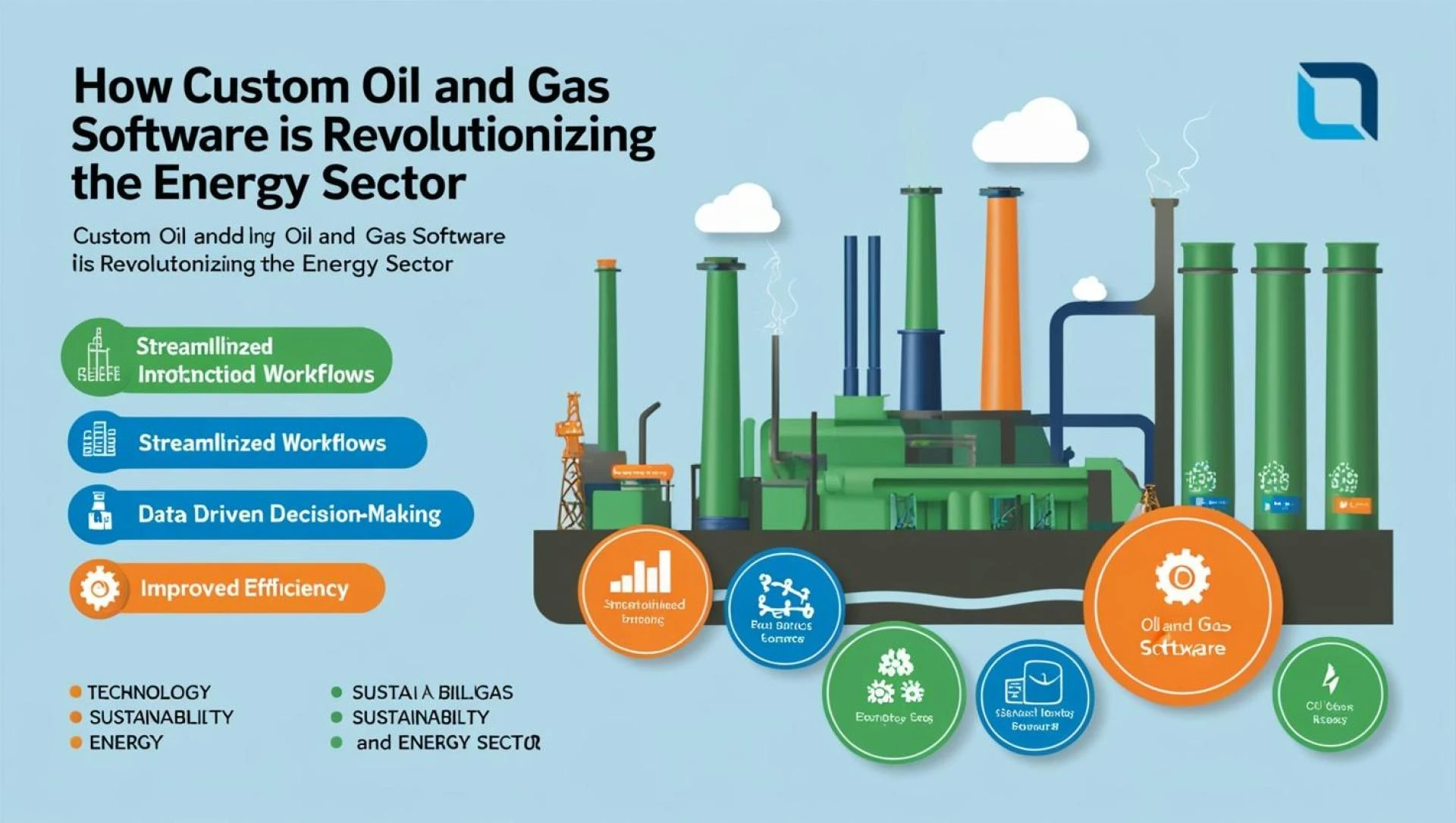

The energy industry is no stranger to change, but the pace and scale of today’s transformation are unprecedented. With fluctuating global demands, regulatory complexities, and aging infrastructure, oil and gas enterprises face mounting pressure to modernize their operations.
Custom oil and gas software is stepping in as a critical enabler—helping companies improve safety, maximize output, reduce costs, and stay competitive in an evolving digital landscape.
This post explores why tailored software is becoming indispensable in the energy sector and how it’s driving meaningful results across exploration, drilling, production, and logistics.
Why Custom Software Solutions Matter
In an industry where precision, safety, and efficiency are non-negotiable, off-the-shelf software often falls short. Each enterprise faces a unique combination of challenges, legacy systems, and operational goals. Custom-built solutions provide the flexibility and scalability required to adapt and grow without compromising on performance or compliance.
Tailored platforms can connect siloed departments, automate routine processes, and provide real-time visibility into mission-critical operations. Most importantly, they offer long-term value by evolving with business needs.
Key Benefits of Oil and Gas Software
1. Operational Efficiency and Automation
Manual processes have long hindered productivity in the oil and gas industry. Today, automation technologies are streamlining everything from equipment maintenance scheduling to supply chain planning.
By implementing intelligent workflows and automated alerts, enterprises can reduce human error, shorten project timelines, and minimize operational downtime. This level of automation in oil and gas not only enhances safety and reliability but also frees up human resources for more strategic work.
2. Data-Driven Decision-Making
The industry generates massive volumes of data—seismic data, drilling logs, asset utilization reports, environmental readings, and more. Yet, the real value lies not in the data itself but in how effectively it’s processed and used.
Advanced oil and gas software leverages AI and analytics to turn raw data into actionable insights. Predictive maintenance models, reservoir simulation tools, and energy consumption analytics can help leaders make informed decisions that drive cost savings and optimize resource allocation.
3. Safety and Compliance
Worker safety and environmental regulations are critical priorities in this high-risk industry. Effective software solutions are essential to maintain compliance with international and local laws while proactively managing workplace hazards.
Real-time monitoring, digital safety checklists, automated incident tracking, and compliance dashboards all help organizations minimize risks and meet regulatory standards with confidence.
4. Cost Control and Asset Optimization
In a volatile market, cost control remains one of the most pressing concerns for oil and gas companies. Whether it's reducing unscheduled downtime or optimizing fuel usage, technology plays a pivotal role in controlling operational costs.
Software tailored to track asset performance and forecast failures helps in planning maintenance more effectively. This results in better uptime and lower repair costs—both of which significantly impact the bottom line.
Real-World Applications of Oil and Gas Software
Custom-built platforms find applications across the full lifecycle of oil and gas operations:
- Exploration and Drilling: Software integrates seismic imaging, GPS mapping, and predictive algorithms to identify ideal drilling sites and reduce exploration risks.
- Production Monitoring: Real-time analytics help track key performance indicators like pressure, flow rate, and output levels across facilities.
- Pipeline Management: Tools monitor structural integrity, detect anomalies, and ensure efficient energy transport with minimal risk.
- Workforce Management: Crew scheduling, safety training, and compliance audits are streamlined through centralized platforms.
- Environmental Monitoring: Sensors and IoT devices can track emissions, waste, and other environmental variables in real-time, making sustainability goals more achievable.
The Role of AI, IoT, and Cloud in Modern Platforms
Modern oil and gas software is often powered by a stack of advanced technologies that offer agility, scalability, and real-time responsiveness.
Artificial intelligence (AI) is used for predictive analytics, drilling optimization, and risk assessment. Internet of Things (IoT) sensors provide real-time data from equipment in the field. Cloud infrastructure ensures that this data is accessible and secure across geographies.
Together, these technologies support digital transformation in oil and gas, enabling smarter decision-making, better collaboration, and more resilient operations.
Streamlining the Supply Chain
Supply chain complexity is one of the biggest challenges in the industry. Companies need to track and coordinate everything from raw material acquisition to refined product delivery. Errors in this chain can be costly and even dangerous.
Developing a supply chain visibility platform allows companies to monitor inventory, shipments, and transportation logistics in real time. This improves planning accuracy, minimizes delays, and ultimately boosts profitability.
With visibility into every link of the supply chain, enterprises can identify inefficiencies, prevent disruptions, and maintain tight control over inventory and delivery schedules.
Steps in Building a Custom Oil and Gas Software Platform
The development of an enterprise-grade oil and gas platform follows a structured approach:
- Discovery and Requirement Gathering
- Stakeholders define business needs, existing pain points, and long-term goals.
- Architecture and Design
- Software architects propose a technology stack and user experience framework that meets operational requirements.
- Development and Integration
- Engineering teams build the core platform and integrate it with legacy systems or external APIs.
- Testing and Quality Assurance
- Rigorous testing ensures platform reliability, data security, and performance under various conditions.
- Deployment and Support
- Once deployed, ongoing support, updates, and training keep the platform aligned with evolving business needs.
Final Thoughts
Custom oil and gas software isn’t just a tool—it’s a strategic asset. From exploration to refining and logistics, it empowers enterprises to make better decisions, reduce risks, and unlock new efficiencies.
With the rise of automation, AI, and IoT technologies, software is quickly becoming the backbone of innovation in the energy sector. Companies that embrace tailored solutions will be better positioned to lead in an increasingly competitive and complex market.
For enterprises seeking to modernize operations, streamline workflows, and improve performance, the time to invest in next-generation oil and gas software is now.
To explore more in-depth insights and discover how digital solutions can transform your operations, visit the full article:
Oil and Gas Software Development: A Complete Guide to Digitally Empower Your Energy Business





























Sign in to leave a comment.