
Introduction
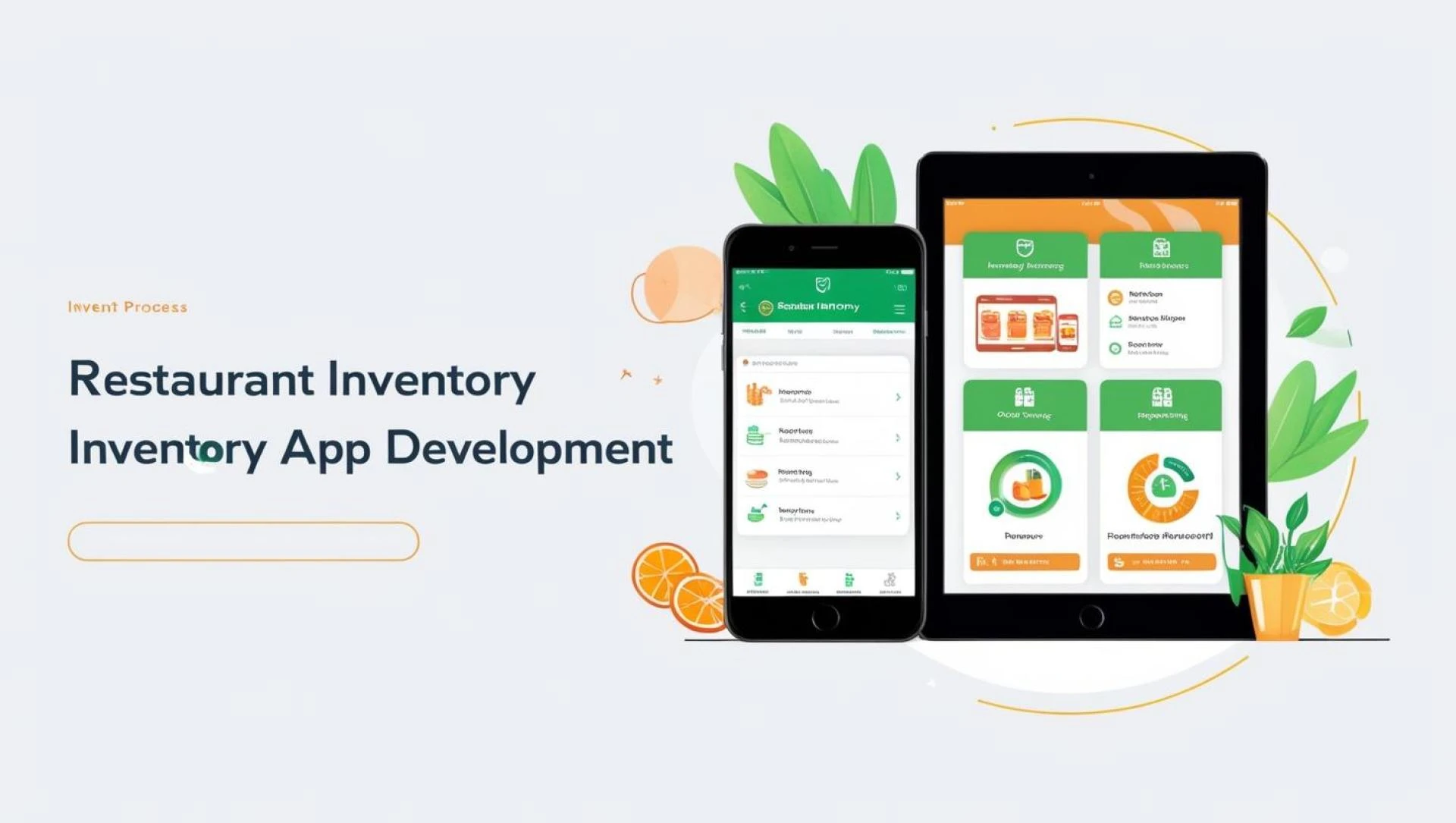
In the fast-paced restaurant and hospitality industry, efficient inventory management is the backbone of profitability. However, manual tracking methods, outdated software, and human errors often lead to excessive food waste, stock shortages, and financial losses. Restaurant Inventory App Development powered by AI and automation is changing the game for enterprise-level restaurants and hotel chains. By integrating AI-driven solutions, businesses can enhance accuracy, reduce waste, and optimize supply chains, ensuring seamless operations.
This blog explores the future of AI-driven inventory automation, its latest trends, benefits, and real-world applications. Whether you're an inventory management solution provider, a restaurant software development company, or a decision-maker looking for smarter ways to handle inventory, this guide will provide actionable insights to help you stay ahead..
The Evolution of Restaurant Inventory App Development
Traditionally, restaurant inventory management relied on manual stocktaking, spreadsheets, or basic point-of-sale (POS) systems with limited tracking capabilities. These methods, while functional, often resulted in inaccurate data, miscalculations, and inefficiencies. However, advancements in AI and machine learning (ML) are transforming inventory automation, making it smarter and more intuitive.
Key advancements include:
- AI-powered forecasting: Predict future demand based on past sales, trends, and seasonality.
- Automated inventory tagging system: Track stock levels in real time with RFID, barcode scanning, and IoT-enabled smart shelves.
- AI chatbot development services: Assist with inventory queries, suggest restocking schedules, and provide alerts for critical stock levels.
- Cloud-based restaurant software development solutions: Enable seamless data synchronization across multiple locations, improving operational efficiency.
The Latest Trends in AI-Driven Inventory Automation
1. AI-Powered Demand Forecasting
AI algorithms analyse historical sales, weather patterns, and customer preferences to predict future inventory needs. This helps restaurants maintain optimal stock levels, preventing both overstocking and shortages.
2. Automated Inventory Tagging System
RFID tags, IoT sensors, and barcode scanning allow real-time inventory tracking, reducing manual errors. Restaurants can automatically update stock levels, monitor expiration dates, and track ingredient usage.
3. AI Chatbot Integration
AI chatbot development services streamline inventory management by enabling voice and text-based queries. Chatbots assist restaurant managers by suggesting purchase orders, sending alerts for low stock, and integrating with supply chain partners.
4. Cloud-Based Centralized Systems
Modern restaurant software development companies are building cloud-based inventory platforms that sync data across multiple locations. This is especially beneficial for enterprise-level restaurant chains that require seamless inventory management across different branches.
5. Waste Reduction with AI
AI-driven analytics identify waste patterns and recommend strategies to minimize food spoilage. This contributes to sustainability efforts and cost savings.
Benefits of AI-Driven Inventory Automation for Enterprises
1. Increased Accuracy and Efficiency
AI eliminates human errors associated with manual tracking. Automated systems ensure real-time updates, reducing discrepancies in stock counts and ingredient levels.
2. Cost Savings and Waste Reduction
With AI-powered demand forecasting, businesses can reduce food waste and lower procurement costs by purchasing only what’s necessary.
3. Real-Time Inventory Visibility
An automated inventory tagging system provides instant insights into stock levels, expiration dates, and ingredient usage. This allows for proactive decision-making.
4. Streamlined Supply Chain Management
AI-powered restaurant inventory apps improve coordination with suppliers, automate reordering, and prevent stockouts, ensuring smooth kitchen operations.
5. Improved Staff Productivity
Automation reduces the time spent on manual inventory tracking, allowing staff to focus on enhancing customer service and improving operational efficiency.
Actionable Insights for Implementing AI-Driven Inventory Automation
If you’re an inventory management solution provider or a restaurant decision-maker looking to implement AI-powered inventory solutions, consider the following:
- Assess Your Current Inventory Management Challenges
Identify bottlenecks, waste patterns, and areas where manual tracking leads to inefficiencies.
- Choose the Right Technology Stack
opt for cloud-based platforms, AI-powered forecasting, and an automated inventory tagging system for real-time tracking.
- Leverage AI Chatbot Development Services
Implement AI chatbots to automate reordering processes, supplier interactions, and inventory alerts.
- Integrate with Existing POS and ERP Systems
Ensure seamless integration with your restaurant’s POS, accounting, and supply chain management systems for a unified platform.
- Partner with an Experienced Restaurant Software Development Company
Collaborate with technology providers who specialize in AI-driven restaurant inventory app development to create a custom solution tailored to your business needs.
Conclusion
The future of restaurant inventory app development lies in AI-driven automation. From AI-powered demand forecasting to automated inventory tagging systems, cutting-edge technologies are revolutionizing enterprise-level inventory management. These innovations not only reduce waste and optimize stock levels but also enhance operational efficiency, improve supply chain coordination, and drive profitability.
For businesses looking to stay competitive, investing in AI-based inventory solutions is no longer an option—it’s a necessity. Whether you're a restaurant software development company or an inventory management solution provider, integrating AI-powered automation will set your enterprise apart in an increasingly digital landscape.
Are you ready to revolutionize your restaurant’s inventory management with AI? Contact us today to explore customized AI-driven solutions tailored to your needs.
By staying ahead of the latest technological advancements, restaurants and hotel chains can enhance efficiency, minimize waste, and improve overall profitability. If you found this blog insightful, feel free to share it with your network or reach out for a consultation on implementing AI-powered inventory management solutions.
























Sign in to leave a comment.