

Modern industries run on complex machines, automated systems, and precision-driven equipment. But even the most advanced systems only deliver results when installed, configured, and maintained correctly. This is where on-site technical support, system installation, commissioning, and troubleshooting become critical pillars of operational success.
Whether it’s a manufacturing plant, energy facility, automation line, or industrial infrastructure project, professional field services determine whether technology performs at its peak—or becomes an expensive liability.
This guide explores how these services work together to ensure reliability, safety, and long-term performance.
Why On-Site Technical Support Is Essential
Remote assistance is helpful, but industrial environments demand hands-on expertise. On-site technical support provides real-time diagnostics, configuration, testing, and performance validation directly at the customer location.
Key Benefits
✔ Immediate issue resolution
✔ Reduced downtime and production loss
✔ Accurate system calibration
✔ Safety compliance
✔ Faster deployment of new systems
Field engineers bring not only tools, but also practical experience in handling unexpected conditions like power variations, environmental factors, and integration challenges.
Industries that rely heavily on on-site technical support include:
- Manufacturing & automation
- Power and energy plants
- Oil & gas facilities
- Infrastructure and utilities
- Process industries
Without expert field intervention, even minor misconfigurations can escalate into major operational failures.
Understanding System Installation: The Foundation of Performance
Proper system installation is the first step toward long-term reliability. It involves more than simply mounting equipment — it ensures the system is aligned with design specifications, safety standards, and operational goals.
System Installation Includes:
- Mechanical assembly
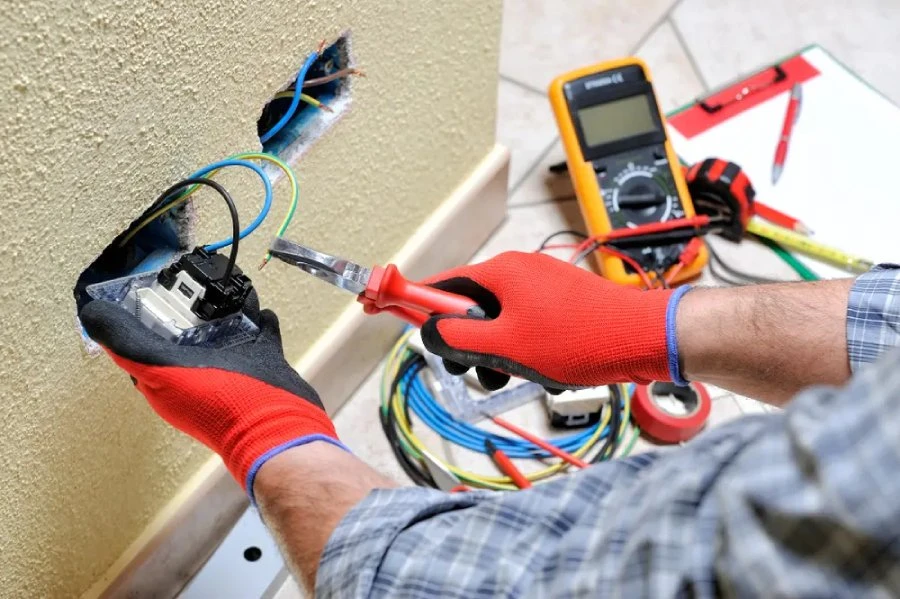
- Electrical wiring and connectivity
- Sensor and control device setup
- Network configuration
- Integration with existing infrastructure
- Software loading and parameter configuration
A poorly executed system installation can cause:
❌ Premature equipment failure
❌ Performance inefficiencies
❌ Safety risks
❌ Frequent breakdowns
Professional installation teams follow strict checklists and engineering drawings to ensure systems are built to specification.
Commissioning: Turning Equipment into Operational Systems
After installation, equipment must be validated before full production begins. This is where commissioning plays a critical role.
Commissioning ensures that systems perform as designed under real-world conditions. It bridges the gap between installation and operation.
The Commissioning Process
- Pre-Commissioning Checks
- Mechanical inspection
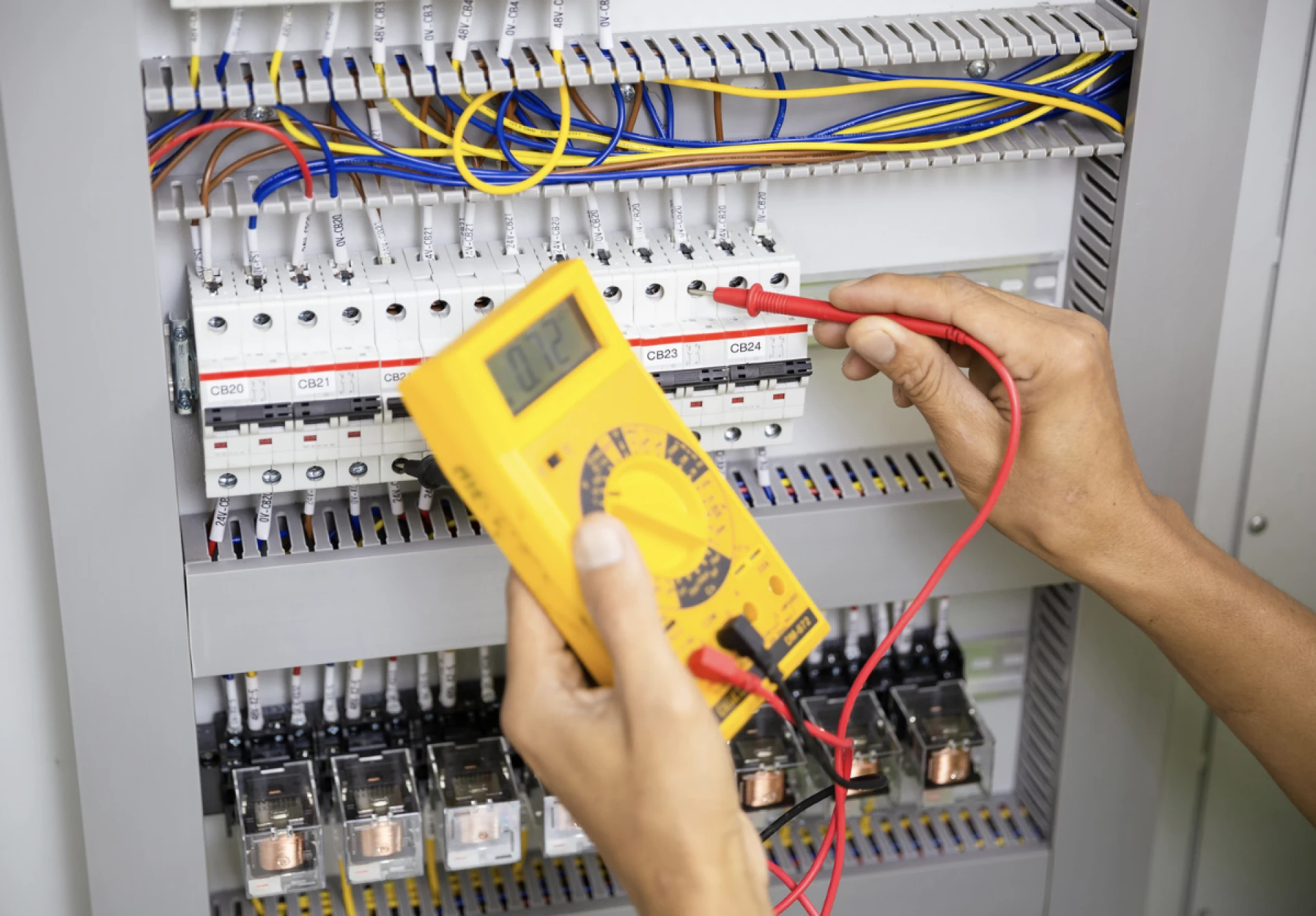
- Electrical continuity tests
- Software verification
- Functional Testing
- Sensor calibration
- Actuator testing
- Safety interlock verification
- Performance Testing
- Load trials
- Efficiency validation
- System stress tests
- Documentation & Handover
- Operational manuals
- Test reports
- Training sessions
Effective commissioning prevents future failures by identifying hidden issues early.
Troubleshooting: Minimizing Downtime and Losses
No system is immune to faults. What matters is how quickly and effectively issues are resolved. Troubleshooting is a specialized skill that requires deep technical knowledge and systematic analysis.
Common Industrial Issues
- Electrical faults
- Control system errors
- Sensor failures
- Communication breakdowns
- Mechanical misalignments
Expert troubleshooting teams use diagnostic tools such as:
- Multimeters and analyzers
- Thermal imaging cameras
- PLC diagnostics
- Network testing equipment
Fast, accurate troubleshooting reduces:
✔ Production losses
✔ Equipment damage
✔ Safety risks
How These Services Work Together
These four services form a lifecycle:
System Installation → Commissioning → On-Site Technical Support → Troubleshooting
Each stage supports the next:
| Stage | Purpose | Impact |
|---|---|---|
| System Installation | Build system correctly | Prevents defects |
| Commissioning | Validate performance | Ensures readiness |
| On-Site Technical Support | Maintain operations | Improves uptime |
| Troubleshooting | Resolve failures | Reduces downtime |
Together, they ensure equipment operates efficiently for years.
Industries That Depend on Field Engineering Services
Organizations that invest in professional on-site technical support and commissioning see measurable improvements in system reliability.
Key Sectors
- Smart manufacturing
- Renewable energy projects
- Process automation
- Heavy engineering
- Data centers
- Infrastructure development
In these environments, even a few hours of downtime can cost thousands — or millions — making expert field services a necessity.
The Cost of Skipping Professional Services
Companies sometimes try to cut costs by minimizing expert involvement. This often leads to:
❌ Incorrect system installation
❌ Failed commissioning tests
❌ Frequent emergency troubleshooting
❌ Reduced equipment lifespan
The result? Higher long-term expenses and operational risks.
Qualities of a Reliable Technical Service Partner
When choosing a provider for on-site technical support, look for:
- Certified field engineers
- Industry experience
- Advanced diagnostic tools
- Strong safety standards
- Rapid response capability
- Documentation and reporting systems
A good partner does more than fix problems — they prevent them.
Future Trends in Field Technical Services
The future of on-site technical support and troubleshooting is evolving with:
- Remote monitoring integration
- Predictive maintenance
- IoT-enabled diagnostics
- AI-assisted fault detection
- Digital commissioning tools
But despite digital tools, human expertise remains irreplaceable for complex installations and system validation.
Conclusion
Industrial systems are only as reliable as the services that support them. Professional system installation, structured commissioning, proactive on-site technical support, and expert troubleshooting create a strong foundation for safe, efficient, and uninterrupted operations.
Organizations that prioritize these services gain:
✔ Reduced downtime
✔ Higher productivity
✔ Longer equipment life
✔ Improved safety
✔ Lower long-term costs
In today’s competitive industrial landscape, partnering with experts like Techurja and investing in field engineering expertise is not an expense — it’s a strategic advantage.



















Sign in to leave a comment.