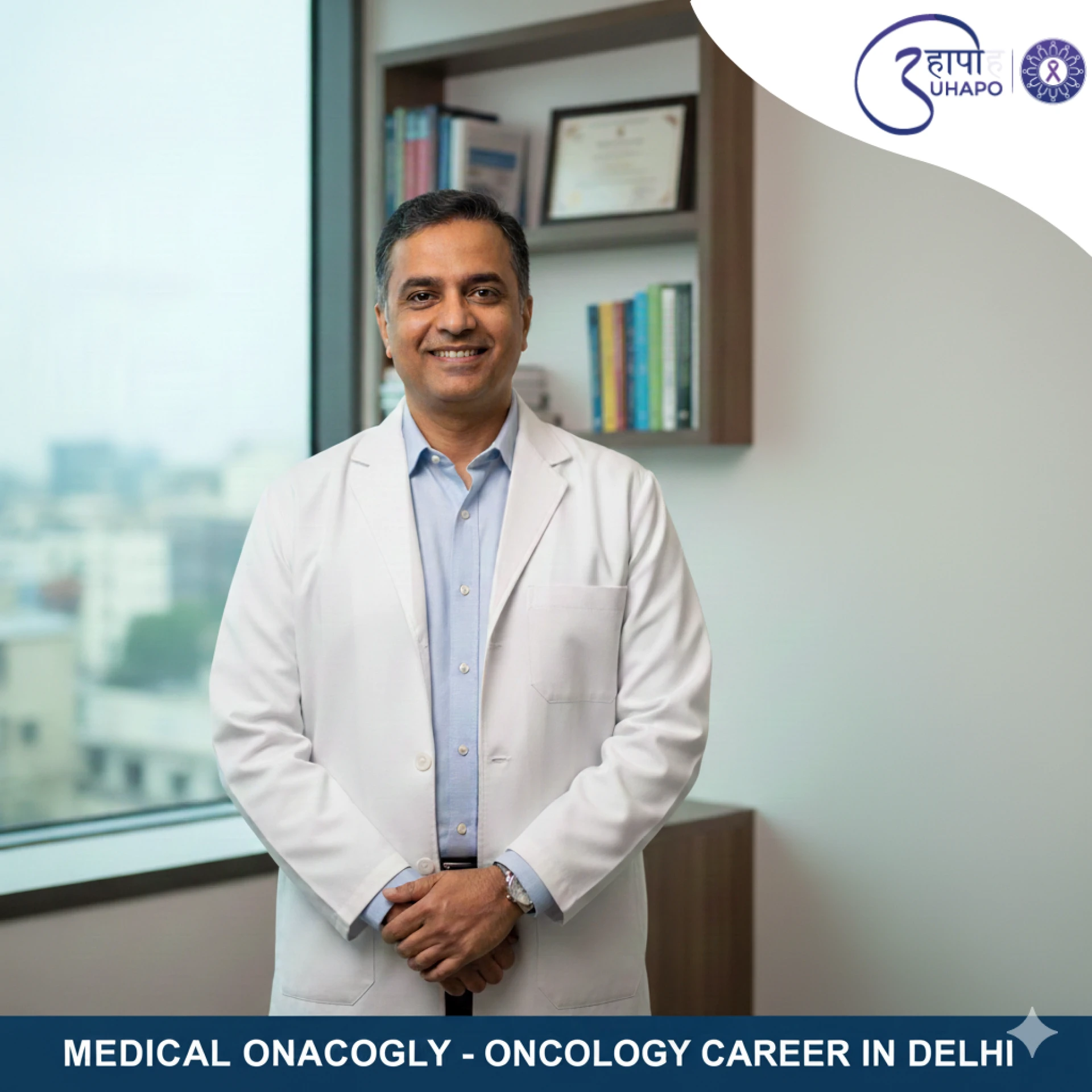

DM-trained breast and lung cancer specialist with Tata Memorial background
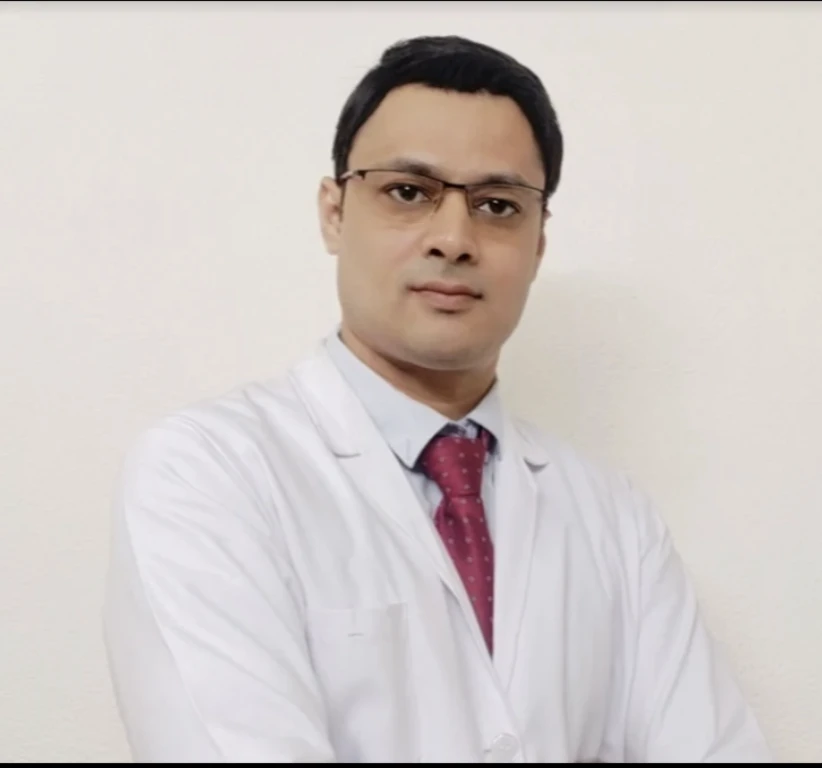
In East and South Delhi, many families first meet Dr Raajit Chanana oncologist when they are referred for systemic treatment at dedicated cancer centres. He is a medical and haemato oncologist who combines training from Tata Memorial Hospital in Mumbai with many years of practice in Delhi, managing adults with solid tumours and blood cancers in hospital units and focused day-care settings.
Education and oncology training
His path into oncology begins with MBBS from Maulana Azad Medical College in Delhi, followed by MD in Internal Medicine from Lady Hardinge Medical College. He then completed DM in Medical Oncology at Tata Memorial Hospital, one of India’s highest-volume cancer centres, gaining experience with multi-drug chemotherapy, targeted agents and immunotherapy across common and rare cancers.
During his years at Tata Memorial he contributed to case reports and clinical series on conditions such as acute leukaemia, targeted therapy for ALK- and ROS1-rearranged lung cancer and the evolving role of immunotherapy in head and neck cancers. That blend of bedside work and research exposure laid the groundwork for later interest in precision oncology, where treatment decisions are guided by molecular testing and risk factors rather than organ site alone.
Current roles and where he practises
After super-specialty training he returned to Delhi and has worked across centres such as Dharamshila Narayana Superspeciality Hospital and newer cancer units in South Delhi. He currently leads the department as Senior Medical Oncologist and HOD at a dedicated cancer centre in Greater Kailash, while he continues to see patients referred from other hospitals in the city. In these roles dr raajit chanana oncologist looks after people at different stages of disease, from newly diagnosed cases to complex relapses that need later-line options.
Everyday practice involves reviewing biopsy reports, staging scans and blood work, then discussing plans that may include day-care chemotherapy, targeted tablets or immunotherapy infusions. Because many of his patients travel from neighbouring states, he often tailors schedules so that treatment cycles and review visits fit around work, travel and caregiving commitments.
Clinical focus areas and everyday case mix
Across online profiles his expertise includes breast and lung cancer, gastrointestinal malignancies, hepatobiliary cancers, genito-urinary cancers, gynaecological cancers, lymphomas, myeloma, sarcomas and selected bone tumours. Within this spectrum he frequently sees breast and lung cancer, which together account for a large share of new adult cancers in India.
In solid tumours he uses chemotherapy, hormone therapy, targeted drugs and immunotherapy in different combinations, guided by stage, performance status and results from tests such as hormone-receptor panels or next-generation sequencing. In lymphoma and myeloma he plans multi-cycle regimens and maintenance phases, coordinating with pathology and transplant teams where needed. For each person he balances benefit, side-effect risks and co-existing illnesses so that the plan remains practical as well as scientifically sound.
Research activity, conferences and professional networks
Beyond daily clinics, he has co-authored publications in national and international journals and participated in clinical trials and observational studies. Memberships in organisations such as the Indian Society of Medical and Paediatric Oncology, the European Society for Medical Oncology and the American Society of Clinical Oncology reflect an effort to stay aligned with global guidelines and new data.
Conference agendas and health-news coverage show him speaking in forums on access to advanced treatments, vaccine safety in cancer patients and managing chemotherapy during infectious-disease outbreaks, including COVID-19. For patients, this background means that dr raajit chanana oncologist is used to interpreting new trial results and explaining how, or whether, those findings should change everyday decisions.
Communication style and patient-facing work
Patient reviews from his clinics often describe him as calm, approachable and thorough. Families note that he spends time going through reports, likely side effects and warning signs that should trigger a call or visit, rather than limiting discussions to drug names and schedules. This can be especially important for people starting chemotherapy or immunotherapy for the first time.
He also takes part in awareness campaigns and patient-education videos on topics like testicular cancer, blood cancers and infection risks while on treatment. In these settings he emphasises early consultation when symptoms persist, infection-prevention measures and the value of completing recommended vaccine schedules, helping people feel prepared rather than scared.
Questions patients often ask
Q. What are the key qualifications of Dr Raajit Chanana?
He has completed MBBS from Maulana Azad Medical College in Delhi, MD in Internal Medicine from the University of Delhi at Lady Hardinge Medical College and DM in Medical Oncology from Tata Memorial Hospital in Mumbai, alongside experience in clinical research and precision-oncology practice.
Q. Where does he currently see patients?
He is a senior medical oncologist and departmental lead at a dedicated cancer centre in Greater Kailash in South Delhi, with earlier and ongoing links to Dharamshila Narayana Superspeciality Hospital in East Delhi.
Q. Which cancers does he most commonly treat?
His practice covers breast, lung, gastrointestinal, hepatobiliary, genito-urinary and gynaecological cancers, along with lymphomas, myeloma, sarcomas and some bone tumours. Breast and lung cancers form a large part of his case load.
Q. Is he active in research and professional networks?
Yes. he engages with research and guideline development alongside his clinical work.





























Sign in to leave a comment.