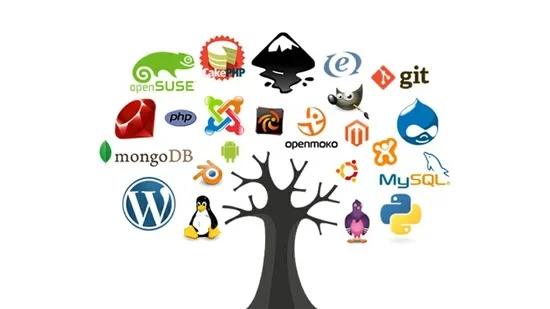

In today's fast-paced digital landscape, businesses are constantly seeking innovative solutions to stay ahead of the curve while also keeping costs under control. One avenue that has gained significant traction in recent years is Open Source Software (OSS). Open Source Software is a paradigm that promotes free access to source code, allowing users to modify and distribute it as per their requirements. This article delves into the transformative power of Open Source Software, exploring how it serves as the key to unlocking cost-effective and innovative solutions for businesses across various industries.
Understanding the Essence of Open Source Software
At its core, Open Source Software embodies the principles of collaboration, transparency, and community-driven development. Unlike proprietary software, where access to the source code is restricted, Open Source Software encourages a collaborative ecosystem where developers worldwide can contribute, refine, and enhance the codebase. This collective effort fosters rapid innovation, as developers collaborate to solve problems, add new features, and address vulnerabilities.
1. Advantages of Open Source Software
1.1. Cost-Effectiveness
One of the primary advantages of Open Source Software is its cost-effectiveness. Since the source code is freely available, businesses can leverage Open Source Software solutions without the hefty licensing fees associated with proprietary software. This cost-saving aspect is particularly appealing for startups and small to medium-sized enterprises (SMEs) looking to optimize their IT budgets without compromising on quality or functionality.
1.2. Flexibility and Customization
Another compelling aspect of Open Source Software is its flexibility and customization capabilities. Unlike off-the-shelf proprietary solutions that may have limitations in terms of customization, Open Source Software provides businesses with the freedom to tailor the software to their specific needs. Whether it's adding new features, integrating with existing systems, or modifying functionality, Open Source Software offers unparalleled flexibility, empowering businesses to adapt and evolve in response to changing market demands.
1.3. Security and Reliability
Contrary to common misconceptions, Open Source Software is renowned for its robust security and reliability. The transparent nature of Open Source Software means that vulnerabilities are quickly identified and addressed by the global community of developers. Additionally, businesses have the autonomy to review the code themselves or engage third-party security experts to conduct audits, ensuring a higher level of security and peace of mind.
2. Driving Innovation Through Collaboration
Collaboration lies at the heart of Open Source Software, driving innovation and fostering a culture of knowledge sharing and collective problem-solving. By tapping into a diverse pool of talent and expertise from around the world, businesses can accelerate the pace of innovation and bring cutting-edge solutions to market faster. Whether it's developing new applications, optimizing existing processes, or exploring emerging technologies, the collaborative nature of Open Source Software catalyzes innovation across industries.
Real-World Applications of Open Source Software
The versatility of Open Source Software spans across a myriad of industries and use cases, revolutionizing how businesses operate and innovate. Below are just a few examples of how Open Source Software is transforming industries:
1. Healthcare
In the healthcare sector, Open Source Software is playing a pivotal role in driving advancements in medical research, patient care, and healthcare delivery. From electronic health record (EHR) systems to diagnostic tools and telemedicine platforms, Open Source Software solutions are empowering healthcare providers to deliver more efficient, personalized, and accessible care to patients worldwide.
2. Education
In the field of education, Open Source Software is reshaping the way students learn and educators teach. Open-access learning management systems (LMS), interactive educational tools, and collaborative platforms are leveraging Open Source Software to create immersive and engaging learning experiences. By democratizing access to educational resources and fostering collaboration among students and educators, Open Source Software is driving innovation in education and bridging the digital divide.
3. Finance
In the finance industry, Open Source Software is disrupting traditional banking and financial services, enabling greater transparency, security, and accessibility. From blockchain technology powering cryptocurrencies to open banking platforms facilitating seamless financial transactions, Open Source Software is driving fintech innovation and redefining the future of finance. By harnessing the power of Open Source Software, financial institutions can streamline operations, reduce costs, and deliver innovative solutions to meet the evolving needs of consumers and businesses alike.
Conclusion:
In conclusion, Open Source Software stands as a beacon of innovation and efficiency in today's technology landscape. By embracing the principles of collaboration, transparency, and community-driven development, businesses can harness the transformative power of Open Source Software to drive cost-effective, innovative solutions across various industries. From healthcare and education to finance and beyond, Open Source Software continues to revolutionize how businesses operate, innovate, and thrive in a rapidly evolving digital world.





























Sign in to leave a comment.