

In today’s fast-paced business environment, organizations are increasingly relying on Customer Relationship Management (CRM) solutions to streamline their processes, improve communication, and drive results. Among the leading CRM platforms, Sage CRM stands out for its robust workflow capabilities. In this article, we’ll explore how Sage CRM workflow can revolutionize business efficiency, enhance team collaboration, and provide businesses with a competitive edge.
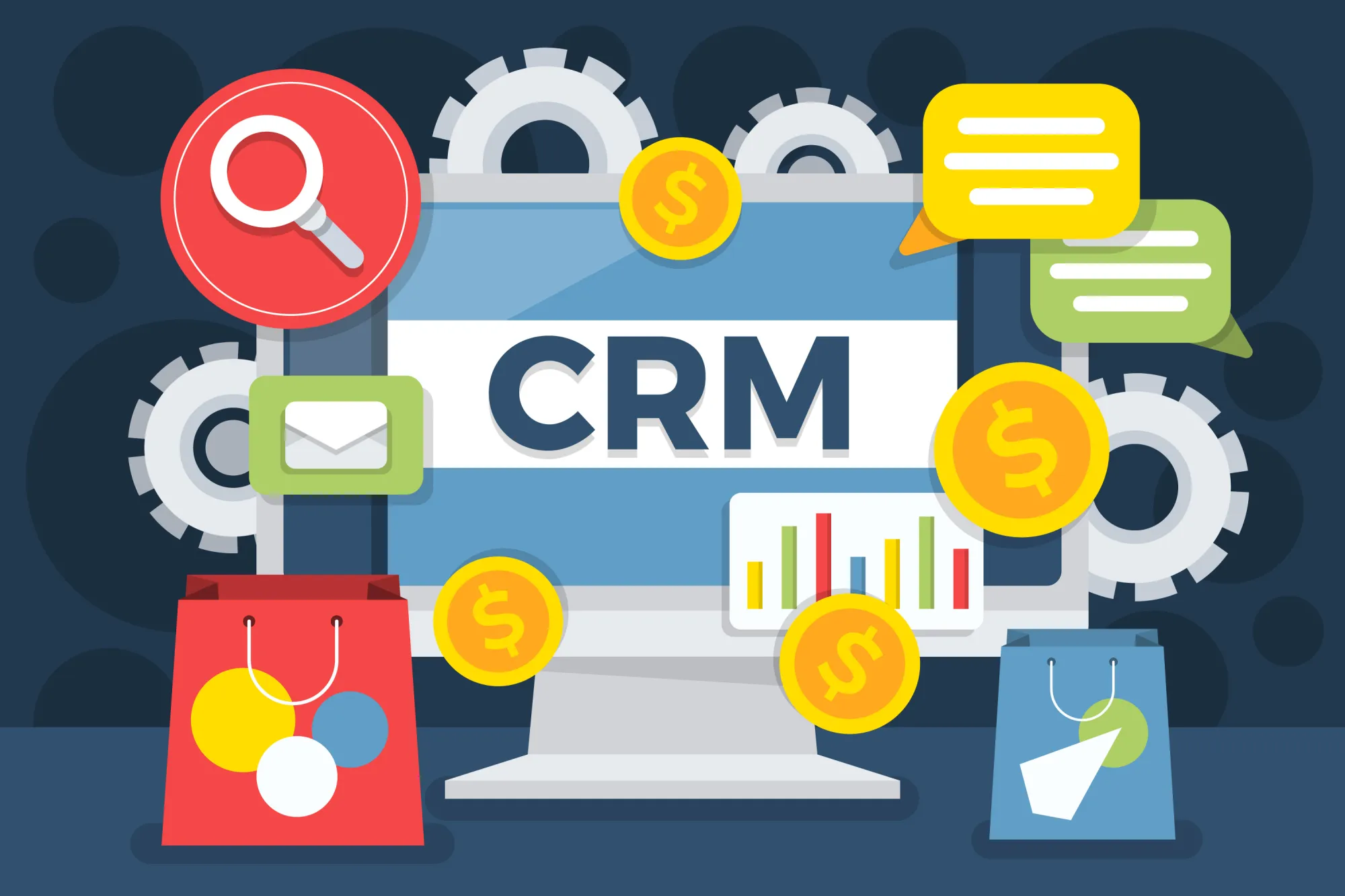
Understanding Sage CRM Workflow
Sage CRM workflow refers to the automation of business processes within the Sage CRM platform. Workflows are essentially a series of predefined steps or actions that are triggered by specific events or conditions. These can include anything from sending automated email alerts to updating records, assigning tasks, or escalating issues to management.
The primary goal of Sage CRM workflow is to ensure that business processes are consistent, repeatable, and efficient. By eliminating manual intervention and reducing human error, workflows help teams focus on high-value activities, improve response times, and maintain a high standard of customer service.
Key Features of Sage CRM Workflow
- Automated Task Management: Workflows can assign tasks to team members automatically based on predefined criteria. For example, when a new lead enters the system, the workflow can assign follow-up tasks to sales representatives, ensuring prompt engagement.
- Conditional Logic: Sage CRM workflows support conditional logic, allowing businesses to create complex processes that adapt to different scenarios. For instance, if a customer support ticket is marked as urgent, the workflow can immediately escalate the issue to a supervisor.
- Notifications and Alerts: Automated notifications can be sent to users or teams when specific milestones are reached or when action is required. This ensures that nothing falls through the cracks and all stakeholders stay informed.
- Data Validation: Workflows can enforce data validation rules, ensuring that critical information is accurately captured in the CRM system. This helps maintain data integrity and supports better decision-making.
Integration with Other Systems: Sage CRM workflow can be integrated with other business applications, such as accounting or ERP systems, to create seamless end-to-end processes. This enhances efficiency and eliminates data silos.

Benefits of Implementing Sage CRM Workflow
1. Improved Efficiency
Automating routine tasks saves valuable time and minimizes the risk of human error. Sage CRM workflow ensures that tasks are completed in the correct order and according to company policy, allowing employees to focus on more strategic activities.
2. Enhanced Collaboration
Workflows break down silos by ensuring that information and tasks flow smoothly between departments. Sales, marketing, and customer service teams can collaborate more effectively, leading to improved customer experiences and better outcomes.
3. Consistency and Compliance
Standardizing processes with workflows ensures that every customer interaction is handled consistently. This is particularly important in regulated industries where compliance is critical. Sage CRM workflow can help enforce best practices and maintain audit trails for accountability.
4. Faster Response Times
With automated alerts and task assignments, teams can respond to inquiries and resolve issues more quickly. This agility can make a significant difference in customer satisfaction and retention.
5. Better Data Quality
By enforcing validation rules and automating data entry, workflows help maintain high-quality, accurate data within the CRM system. This leads to more reliable reporting and insights for decision-makers.
Real-World Use Cases for Sage CRM Workflow
- Lead Management: Automatically assign new leads to sales reps, send introductory emails, and schedule follow-up tasks, ensuring no lead is left unattended.
- Customer Support: Route support tickets based on priority or issue type, escalate unresolved cases, and keep customers informed throughout the process.
- Contract Approvals: Implement multi-step approval workflows for contracts, with automated notifications for each stage and audit trails for compliance.
- Order Processing: Automate order approvals, inventory checks, and invoicing, integrating with ERP systems for end-to-end processing.
Getting Started with Sage CRM Workflow
To unlock the full potential of Sage CRM workflow, businesses should start by mapping out their existing processes and identifying areas that can be automated. Sage CRM provides intuitive tools for designing workflows using drag-and-drop interfaces, making it accessible even for non-technical users.
It’s also advisable to involve key stakeholders from different departments in the workflow design process. This ensures that workflows align with business objectives and meet the needs of all users. Regularly reviewing and refining workflows is essential to adapt to changing business requirements and to drive continuous improvement.
Conclusion
Sage CRM workflow is a powerful tool that can transform the way businesses operate. By automating processes, enhancing collaboration, and ensuring consistency, Sage CRM workflow empowers organizations to achieve greater efficiency and deliver exceptional customer experiences. As businesses continue to evolve, leveraging workflow automation within Sage CRM will be essential for maintaining a competitive advantage in today’s dynamic marketplace.




























Sign in to leave a comment.