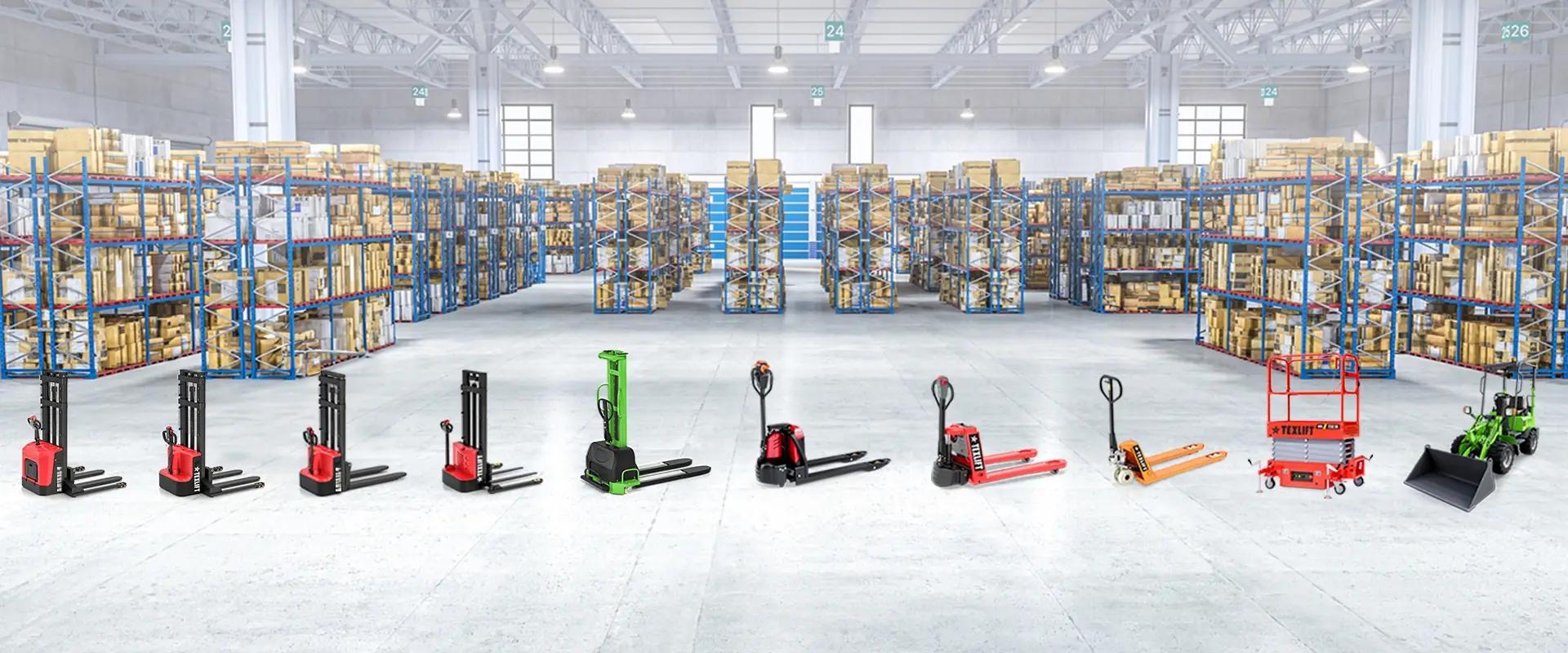

Efficient logistics operations depend heavily on how well materials are moved, stored, and retrieved within a facility. Warehouse lifting equipment plays a central role in ensuring that heavy loads are handled safely while maintaining speed and accuracy across daily operations.
The Importance of Material Handling Efficiency
In any warehouse environment, productivity is directly linked to how quickly and safely goods can be transferred between locations. Poor handling methods increase labor costs, raise the risk of injuries, and slow down fulfillment processes. Modern material handling solutions are designed to eliminate these issues by introducing mechanical support that reduces physical strain on workers.
Automation and mechanization are no longer optional for growing businesses. As order volumes increase, manual processes become inefficient and costly. This is why investing in advanced lifting systems has become a strategic decision rather than a simple operational upgrade.
Common Types of Lifting Systems
There are several categories of lifting solutions used in storage and distribution facilities. Forklifts are among the most widely used, capable of transporting pallets across short and long distances. They come in electric, diesel, and hybrid models, each suited for different operational needs.
Scissor lifts and platform lifts are commonly used for vertical movement. These systems are ideal for accessing high shelves, performing maintenance, or transferring goods between different levels. Pallet jacks and stackers provide more compact options, especially in narrow aisles or small warehouses.
Overhead cranes and hoists are used in environments dealing with extremely heavy loads, such as industrial storage or manufacturing warehouses. These systems maximize floor space by utilizing ceiling structures for load movement.
Safety and Ergonomic Benefits
One of the most significant advantages of using lifting systems is improved workplace safety. Manual lifting is a leading cause of injuries in warehouses, often resulting in back strain, muscle damage, and long-term health issues. Mechanical lifting tools reduce the physical burden on workers and minimize the risk of accidents.
Ergonomic design also improves employee morale and efficiency. When workers are not physically exhausted, they can focus better on accuracy and productivity. This leads to fewer errors, faster operations, and a healthier workforce overall.
Integration with Warehouse Technology
Modern lifting systems are increasingly integrated with warehouse management software. Smart sensors, load monitoring tools, and automated controls allow real-time tracking of goods and equipment performance. This integration helps managers optimize workflows and predict maintenance needs before breakdowns occur.
Some advanced systems are even compatible with robotic automation. Automated guided vehicles and robotic arms can work alongside human operators, creating a hybrid environment that maximizes efficiency while maintaining flexibility.
Cost Efficiency and Return on Investment
Although the initial investment in lifting systems can seem high, the long-term financial benefits are substantial. Reduced labor costs, lower injury claims, and faster order processing all contribute to a strong return on investment. Additionally, durable equipment requires less frequent replacement, further lowering operational expenses.
Energy-efficient models also help control utility costs. Electric-powered systems consume less energy and produce fewer emissions, making them suitable for businesses aiming to improve sustainability without sacrificing performance.
Maintenance and Long-Term Reliability
Regular maintenance is essential for ensuring the reliability of any lifting system. Scheduled inspections, lubrication, and part replacements prevent unexpected downtime. Well-maintained equipment operates more smoothly, lasts longer, and maintains safety standards.
Partnering with professional service providers ensures that maintenance tasks are handled by trained technicians. This not only extends the lifespan of the systems but also keeps operations compliant with safety regulations.
Choosing the Right Solutions for Your Facility
Selecting the appropriate lifting systems depends on several factors, including warehouse size, load types, ceiling height, and daily operational volume. A detailed assessment helps determine which technologies align best with business objectives.
Custom solutions often deliver better results than generic setups. Tailored layouts and specialized equipment ensure that every square foot of space is used efficiently, improving overall workflow.
Well-designed material handling systems form the backbone of successful warehouse operations. By focusing on safety, technology integration, and long-term efficiency, businesses can transform their facilities into high-performing environments that support growth, reduce risk, and enhance overall productivity.































Sign in to leave a comment.