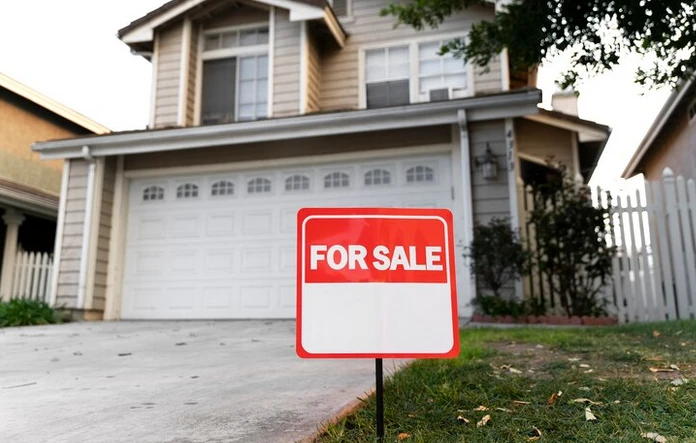

Managing a commercial property portfolio can be a complex and multifaceted endeavor, requiring a delicate balance of operational efficiency, financial management, and strategic decision-making. In today's ever-evolving business landscape, property owners and managers are constantly faced with the challenge of maximizing the profitability of their assets while ensuring smooth and efficient operations.
This comprehensive guide aims to provide you with a roadmap to optimizing your commercial property management strategies, helping you unlock new avenues for growth and profitability. From optimizing operational processes to leveraging data-driven insights, we'll explore a range of strategies and best practices to help you elevate your commercial property management game.
Operational Efficiency
Streamlining Property Maintenance and Repairs
One of the key pillars of effective commercial property management is maintaining the physical condition of the asset. Implementing a proactive and well-organized maintenance and repair program can not only extend the lifespan of the property but also reduce the incidence of costly and disruptive breakdowns.
Begin by conducting a thorough assessment of the property's current condition, identifying any areas in need of immediate attention as well as potential long-term maintenance requirements. Develop a detailed maintenance schedule, prioritizing critical systems and ensuring regular inspections and preventive maintenance.
Leverage technology to streamline the maintenance process, such as by implementing a comprehensive property management software solution that can track work orders, schedule maintenance tasks, and provide real-time visibility into the property's condition.
Optimizing Resource Utilization
Closely monitor the utilization of resources, such as energy, water, and personnel, to identify areas for improvement. Conduct regular audits to uncover opportunities for cost savings and efficiency gains.
Implement energy-efficient upgrades, such as LED lighting, high-efficiency HVAC systems, and smart building automation technologies, to reduce utility costs. Explore renewable energy solutions, such as solar panels, to further enhance your property's sustainability and long-term profitability.
Optimize staffing levels by carefully analyzing the workload and adjusting the size of your maintenance and operations teams accordingly. Consider outsourcing non-core functions to specialized service providers, allowing your in-house team to focus on mission-critical tasks.
Enhancing Tenant Experience
The satisfaction and retention of your tenants are crucial to the long-term success of your commercial property. Prioritize the tenant experience by ensuring seamless communication, responsive service, and a well-maintained, comfortable, and safe environment.
Implement a tenant engagement strategy, which may include regular check-ins, timely response to maintenance requests, and proactive communication of upcoming property updates or events. Leverage tenant feedback to identify areas for improvement and continuously enhance the overall tenant experience.
Consider investing in amenities and services that cater to the needs of your tenants, such as shared workspaces, on-site concierge services, or fitness facilities. These value-added offerings can help attract and retain high-quality tenants, ultimately boosting your property's profitability.
Financial Management
Optimizing Rent Pricing and Lease Structures
Effective financial management is essential for maximizing the profitability of your commercial property. Begin by conducting a comprehensive market analysis to ensure that your rent pricing aligns with the prevailing rates in your local market.
Leverage data-driven insights to establish optimal rent pricing, taking into account factors such as property type, location, amenities, and competition. Regularly review and adjust your rent pricing to stay competitive and responsive to market trends.
When negotiating lease agreements, consider incorporating flexible lease structures that allow for periodic rent adjustments, such as annual escalations or percentage rents based on tenant sales. This can help you capture the upside of rising market rates while also providing your tenants with a degree of stability and predictability.
Enhancing Revenue Streams
Explore opportunities to diversify and expand your revenue streams beyond traditional rent payments. This may include offering specialized services, such as property management or maintenance services, to other property owners in your local market.
Additionally, consider repurposing underutilized spaces within your property to generate additional income, such as leasing out conference rooms or event spaces to third-party users.
Carefully analyze your tenant mix and explore opportunities to attract high-revenue-generating businesses, such as those in the healthcare, technology, or e-commerce sectors, which may be willing to pay premium rents for prime commercial real estate.
Effective Cost Management
Closely monitor and control your operating expenses to ensure that your commercial property's profitability is not eroded by unnecessary or excessive costs. Regularly review your vendor contracts, negotiate better terms, and explore opportunities for bulk purchasing or volume discounts.
Implement robust financial reporting and accounting systems to provide you with real-time visibility into your property's financial performance. Use this data to identify areas for cost savings, such as renegotiating insurance premiums or optimizing energy consumption.
Consider outsourcing certain functions, such as accounting or property inspections, to specialized service providers who can leverage economies of scale and expertise to deliver cost-effective solutions.
Data-Driven Decision-Making
Leveraging Property Analytics
In today's data-driven business landscape, the effective use of property analytics can be a powerful tool for informed decision-making and ongoing optimization of your commercial property management strategies.
Invest in robust property management software or business intelligence solutions that can provide you with detailed insights into your property's performance, including occupancy rates, tenant retention, rental income, and operating expenses.
Analyze this data to identify trends, uncover hidden opportunities, and make more informed decisions about capital investments, tenant mix, and operational adjustments. Use these insights to benchmark your property's performance against industry standards and your own historical data.
Predictive Maintenance and Forecasting
Extend the power of your property analytics by incorporating predictive maintenance and forecasting capabilities. Utilize advanced algorithms and machine learning to anticipate equipment failures, identify preventive maintenance requirements, and plan for future capital expenditures.
By proactively addressing maintenance issues before they escalate, you can reduce the likelihood of costly and disruptive breakdowns, ultimately improving the overall efficiency and reliability of your property's operations.
Additionally, leverage forecasting tools to model the potential impact of various scenarios, such as changes in market conditions, tenant turnover, or capital improvement projects. This can help you make more informed strategic decisions and better prepare for future challenges and opportunities.
Tenant Relationship Management
Effective tenant relationship management is essential for maintaining a stable and profitable commercial property portfolio. Utilize customer relationship management (CRM) tools to centralize and organize tenant data, including contact information, leasing details, and communication history.
Leverage this data to personalize your interactions with tenants, anticipate their needs, and provide a superior level of service. Monitor tenant satisfaction and address any issues or concerns in a timely and proactive manner to foster long-term, mutually beneficial relationships.
By strengthening your tenant relationships, you can improve tenant retention, reduce vacancy rates, and potentially command higher rents from satisfied and loyal tenants.
Strategic Positioning
Diversifying Your Portfolio
To mitigate risk and capitalize on emerging opportunities, consider diversifying your commercial property portfolio across different asset types, geographic locations, and market segments.
Analyze your current portfolio and identify areas for diversification, such as expanding into new property types (e.g., office, retail, industrial) or exploring opportunities in different geographic regions. This can help you reduce your exposure to market volatility and capitalize on the unique characteristics and growth potential of various property types and locations.
When evaluating new investment opportunities, carefully assess the market fundamentals, competition, and long-term growth prospects to ensure that any additions to your portfolio align with your overall strategic objectives.
Embracing Sustainability and Innovation
In today's increasingly environmentally conscious and technologically-driven world, embracing sustainability and innovative practices can not only enhance your property's appeal and tenant satisfaction but also contribute to long-term profitability.
Implement sustainable upgrades, such as energy-efficient building systems, renewable energy sources, and water conservation measures, to reduce your property's environmental impact and operating costs. Explore opportunities to obtain green building certifications, which can also attract eco-conscious tenants and potentially command higher rents.
Furthermore, integrate innovative technologies, such as smart building automation, predictive analytics, and digital tenant engagement platforms, to streamline operations, enhance the tenant experience, and gain a competitive edge in the market.
Adapting to Market Trends and Emerging Opportunities
Closely monitor market trends and stay attuned to emerging opportunities that may impact your commercial property portfolio. This may include shifts in tenant preferences, changing demographics, evolving regulatory requirements, or the introduction of new technologies and industry disruptors.
By anticipating and adapting to these changes, you can position your properties to capitalize on new growth opportunities, mitigate potential risks, and maintain a competitive edge in the market.
Conclusion
Effective commercial real estate property management is a multifaceted endeavor that requires a comprehensive and strategic approach. By optimizing operational efficiency, implementing robust financial management practices, leveraging data-driven insights, and strategically positioning your portfolio, you can Regularly review your strategic plan, identify areas for improvement or adjustment, and implement agile decision-making processes that allow you to respond quickly to market dynamics and seize new prospects as they arise.






























Sign in to leave a comment.