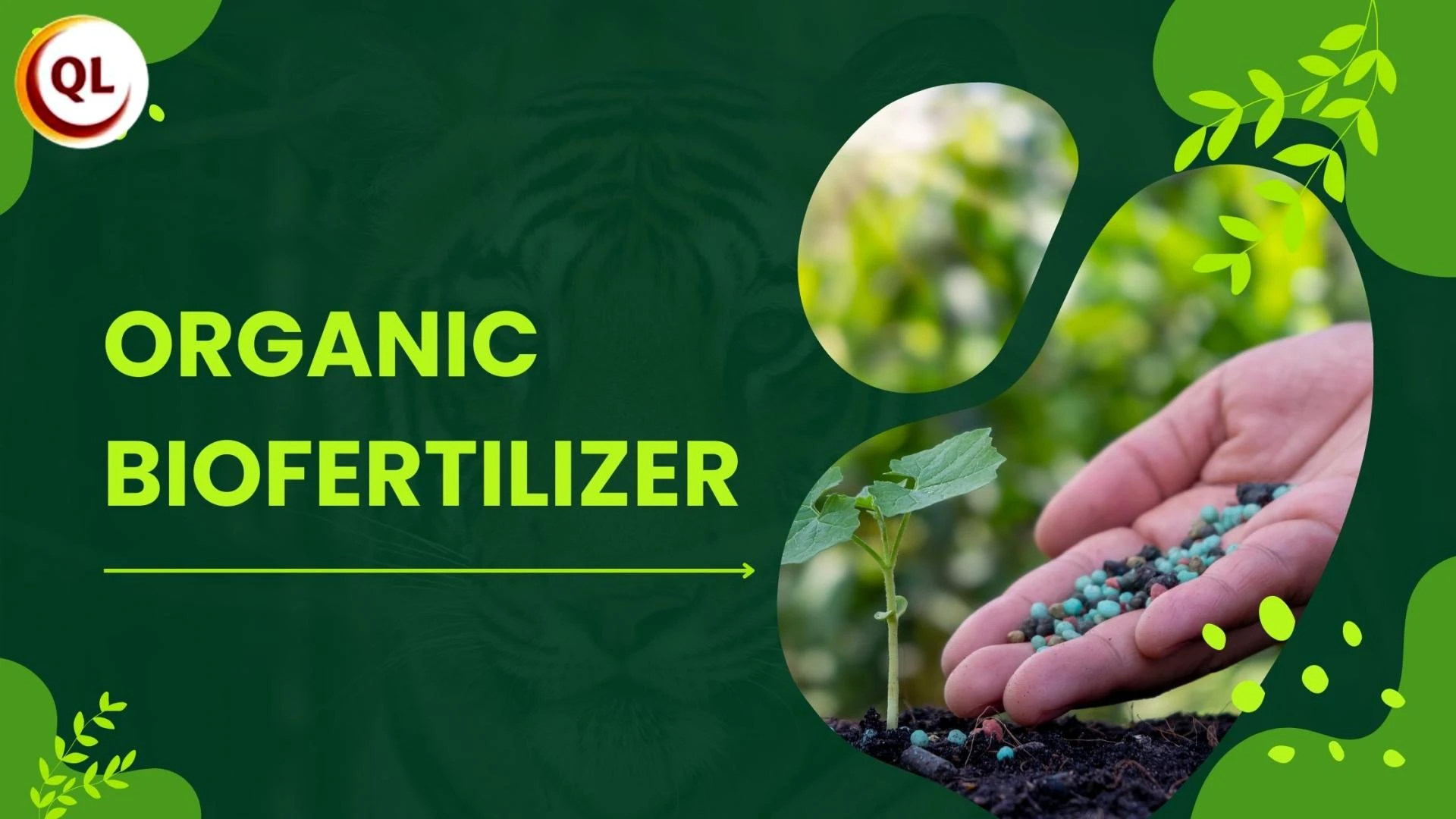

In the age of sustainable agriculture, selecting the right organic biofertilizer supplier is crucial to ensure healthy crop growth, soil vitality, and environmental protection. Whether you're a small-scale farmer or a large agricultural business, partnering with a reliable natural fertilizer supplier can significantly impact your yields and long-term soil health. But with so many suppliers in the market, how do you choose the best one?
This guide will walk you through the essential factors to consider when selecting your next organic biofertilizer partner, ensuring you invest wisely in natural, high-quality fertilizers that support sustainable farming practices.
What is Organic Biofertilizer?
Before diving into supplier selection, it helps to understand what organic biofertilizer entails. Unlike chemical fertilizers, organic biofertilizers are derived from natural sources such as composted manure, plant residues, and beneficial microbes. They improve soil fertility by enriching it with organic matter and stimulating beneficial microbial activity, leading to healthier plants and sustainable soil management.
Using organic biofertilizers reduces dependency on synthetic chemicals, minimizes soil degradation, and promotes eco-friendly farming — all key reasons why more farmers are switching to natural alternatives.
Why Choosing the Right Natural Fertilizer Supplier Matters
Not all suppliers are created equal. The quality, composition, and consistency of organic biofertilizers can vary widely, which is why choosing the right natural fertilizer supplier is essential. A dependable supplier offers products that are:
- Nutrient-rich: Providing balanced macro- and micronutrients for optimal plant growth.
- Consistent: Maintaining uniform quality across batches.
- Safe: Free from harmful contaminants or chemical residues.
- Environmentally friendly: Produced using sustainable processes.
Selecting a subpar supplier can lead to poor crop performance, soil damage, or even contamination. Hence, it's important to evaluate suppliers thoroughly before making a purchase.
Key Factors to Consider When Choosing Your Organic Biofertilizer Supplier
1. Product Quality and Certification
Quality should be your top priority. Look for suppliers who provide detailed product information, including nutrient content, microbial strains, and production methods. Certified organic biofertilizers meeting national or international organic standards provide additional assurance. Certifications from recognized bodies indicate the product has passed rigorous testing and adheres to sustainable manufacturing practices.
2. Supplier Reputation and Experience
A reputable natural fertilizer supplier typically has a proven track record in the industry. Check customer reviews, testimonials, and case studies to gauge their reliability. Long-standing suppliers often have better quality control and customer service, ensuring you receive consistent products and expert guidance.
3. Range of Products Offered
Your farm’s needs may vary depending on crop type, soil condition, and climate. Select suppliers offering a diverse range of organic biofertilizer products — such as composted manure, bio-organic blends, and soil conditioners. This variety allows you to choose products tailored to your specific agricultural requirements.
4. Transparent Sourcing and Production Processes
Transparency is a key indicator of supplier integrity. Ask about how the fertilizers are made: the raw materials used, fermentation or composting processes, and quality control measures. A trustworthy supplier will openly share this information, helping you feel confident in the natural origins and safety of their biofertilizers.
5. Pricing and Delivery Options
While price shouldn't be the sole deciding factor, it’s important to find a supplier offering fair, competitive rates without compromising quality. Additionally, consider delivery logistics — a supplier who can reliably ship bulk orders on time helps prevent delays during critical planting seasons.
6. Customer Support and After-Sales Service
Good customer service is invaluable. The right supplier provides not just products but also expert advice on fertilizer application, storage, and compatibility with your crops. Responsive communication channels and after-sales support indicate a supplier committed to your success.
Benefits of Partnering with a Trusted Natural Fertilizer Supplier
By choosing a reputable organic biofertilizer supplier, you gain access to high-quality products that can:
- Improve soil structure and fertility naturally.
- Enhance plant nutrient uptake and growth.
- Promote sustainable, eco-friendly farming practices.
- Reduce dependency on chemical fertilizers and associated costs.
- Support long-term agricultural productivity and environmental health.
Final Thoughts
Switching to organic biofertilizers is a smart, sustainable step forward in modern agriculture, but its success depends heavily on the supplier you choose. Keep in mind the key factors like quality, reputation, transparency, and support when selecting your natural fertilizer supplier. Doing your due diligence ensures you invest in fertilizers that truly nourish your soil, boost your crop yield, and protect the environment.
If you’re looking for a trusted organic biofertilizer supplier committed to quality, sustainability, and customer satisfaction, take the time to research and partner with one that aligns with your farming goals. Your soil — and future harvests — will thank you.





























Sign in to leave a comment.