

Health
Health News
Stay informed with the latest updates from the world of health, wellness, fitness, nutrition, mental health, and medical research.
13parts

Orthodontic treatment is often associated with straightening crooked teeth, but its role extends beyond creating a neater smile. Tooth position can influence how the bite works, how easily the mouth can be cleaned and how pressure is distributed during chewing. For people with crowded, spaced or misaligned teeth, correcting their position may offer functional and aesthetic benefits. Modern orthodontic options also give adults more flexibility when addressing dental concerns while maintaining long-term oral health.
The way teeth meet is an important part of oral health. Ideally, the upper and lower teeth should come together comfortably during biting and chewing. When teeth are significantly misaligned, certain areas may experience uneven contact or excessive pressure.
Not every minor irregularity requires treatment. However, some orthodontic concerns can affect bite function and may contribute to difficulties with chewing or uneven tooth wear.
An orthodontic assessment considers the relationship between the teeth, rather than focusing solely on appearance. A dentist may evaluate whether the teeth meet comfortably, whether the dental arches are balanced and whether particular teeth affect the bite.
For patients seeking an Earlsfield orthodontist, understanding these functional aspects can help establish whether alignment treatment is suitable. The objective is not simply to create straight teeth, but to consider how their position contributes to the overall function of the mouth.
The benefits of tooth alignment also extend to daily cleaning. Crowded or overlapping teeth can create narrow spaces where plaque and food debris are difficult to remove. Even with regular brushing, certain areas may remain challenging to reach.
When plaque is not removed effectively, it can contribute to tooth decay and gum inflammation. Orthodontic treatment may help improve access to some tooth surfaces by creating a more organised arrangement.
Crowding can make oral hygiene more complicated in several ways:
Although improved alignment may make cleaning easier, it does not automatically prevent dental problems. Brushing twice daily, cleaning between the teeth and attending regular dental appointments remain essential.
Tooth position plays a significant role in how a smile appears. A rotated tooth, noticeable spacing or an uneven dental arch can affect the balance of the front teeth.
Orthodontic treatment can gradually move teeth into planned positions, potentially creating a more symmetrical appearance. Unlike cosmetic procedures that modify the visible surface of a tooth, orthodontics works by changing its position within the dental arch.
This distinction is important when deciding how to address cosmetic concerns. A tooth may appear uneven because it is positioned incorrectly, or because its natural shape differs from neighbouring teeth.
For instance, a rotated front tooth may benefit from orthodontic correction. A chipped tooth with otherwise suitable positioning may require a cosmetic approach instead. Identifying the source of the concern helps ensure that treatment addresses the actual issue.
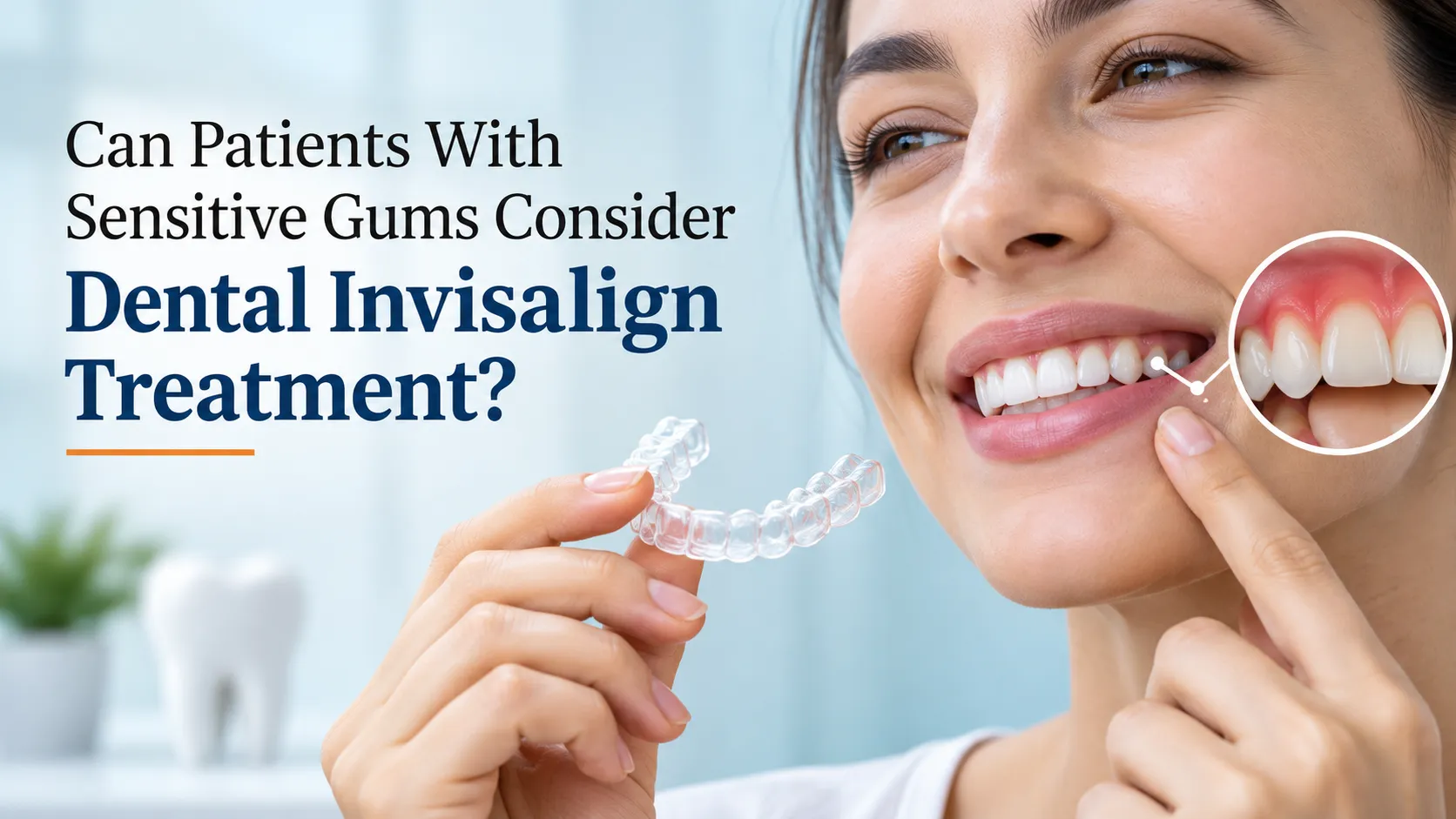
Clear aligners provide a discreet option for patients who want to improve tooth positioning without traditional fixed braces. They consist of custom-made transparent trays that apply controlled pressure to teeth through a series of planned movements.
For suitable cases, aligners can address concerns such as crowding, spacing and selected bite irregularities. Their removable design also allows patients to take them out for meals and oral hygiene.
Treatment generally involves a clinical examination, digital scans or impressions, a personalised plan and a sequence of aligners. Patients change trays according to their dentist's instructions and attend review appointments to monitor progress.
However, clear aligners are not suitable for every orthodontic problem. Complex tooth movements or significant bite concerns may require a different approach. Consistent wear is also essential, as removing trays for longer than recommended can affect progress.
After treatment, retainers are usually prescribed to help maintain the achieved tooth positions. This retention stage is an important part of the overall orthodontic process.
While orthodontic treatment focuses on tooth positioning, cosmetic dentistry may be considered when the concern relates to the visible shape, colour or surface of the teeth.
For patients considering dental veneers Earlsfield, veneers may be an option for selected cosmetic concerns, including chipped edges, persistent discolouration, uneven tooth proportions or minor gaps. These thin coverings are bonded to the front surfaces of teeth to alter their appearance.
The difference between these treatments can be understood through the following comparison:
| Concern | Treatment that may be considered | Main purpose |
| Crowded or overlapping teeth | Orthodontic treatment | Improve tooth positioning |
| Gaps between teeth | Aligners or braces | Adjust spacing |
| Uneven bite | Orthodontic assessment | Improve how teeth meet |
| Chipped tooth edges | Cosmetic bonding or veneers | Restore tooth shape |
| Persistent discolouration | Whitening or veneers | Improve tooth colour |
| Irregular tooth proportions | Veneers in selected cases | Modify visible appearance |
Some patients may have concerns involving both alignment and tooth appearance. In these cases, orthodontic treatment may be considered before cosmetic procedures. Aligning teeth first can provide a more suitable foundation for additional aesthetic work.
Veneers should not generally replace orthodontic treatment when substantial tooth movement is needed. As some veneer procedures involve enamel preparation, careful planning is important to preserve natural tooth structure.
Choosing orthodontic treatment involves more than deciding whether a smile could look straighter. Several practical and clinical factors should be reviewed before beginning.
An assessment may include a clinical examination, photographs, digital scans or impressions. These records help the dentist evaluate the teeth and develop an appropriate treatment plan. Patients can also discuss costs, appointments and maintenance requirements.
Once orthodontic treatment has finished, maintaining the results becomes an important part of ongoing dental care. Teeth can gradually move over time, particularly if retainers are not worn as advised.
Patients should follow the prescribed retainer schedule and attend dental reviews to monitor their teeth and gums. Good daily hygiene remains equally important, including brushing with fluoride toothpaste and cleaning between the teeth.
For patients who have also received cosmetic restorations, additional care may be recommended. Avoiding habits such as biting hard objects or using teeth to open packaging can help reduce the risk of damage. A night guard may be advised for individuals who grind their teeth.
Consistent care supports the condition of natural teeth and restorations, helping maintain treatment outcomes over time.
Orthodontic treatment can improve more than the appearance of straight teeth. By addressing tooth positioning, it may support bite function, make everyday cleaning more manageable and create a more balanced smile. Clear aligners offer a discreet option for suitable cases, while cosmetic treatments such as veneers can address concerns involving tooth shape or colour. At The Dental Lounges - Wimbledon, understanding individual dental needs is an important part of considering suitable treatment options. A professional assessment helps determine a plan that balances function, aesthetics and the preservation of natural tooth structure.
Stay informed with the latest updates from the world of health, wellness, fitness, nutrition, mental health, and medical research.
An introduction to telehealth platforms, how they improve care, and which options and strategies matter most.
A reader-friendly path through sleep tracking basics and habits, then into how technology is changing sleep apnea treatment.







Sign in to leave a comment.