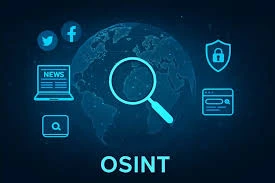

In today’s digital-first world, information is created every second across social media platforms, video-sharing sites, forums, and news portals. For government agencies, this openly available information can be a powerful resource when used responsibly and strategically. This is where OSINT monitoring for government plays a critical role.
Open Source Intelligence (OSINT) refers to the collection and analysis of information from publicly available sources. Unlike classified intelligence, OSINT relies entirely on legal, ethical, and transparent data sources. When implemented correctly, it helps governments improve decision-making, enhance public safety, and respond proactively to emerging risks.
Understanding OSINT Monitoring for Government
OSINT monitoring for government involves systematically tracking, collecting, and analyzing publicly accessible digital content to support policy, security, and operational objectives. These sources may include:
- Social media platforms
- Video-sharing platforms like YouTube
- News websites and blogs
- Public forums and discussion boards
- Open databases and reports
The goal is not mass surveillance, but intelligence-led insight—identifying trends, narratives, risks, and opportunities hidden within public information.
Government agencies across defense, law enforcement, homeland security, and public administration increasingly rely on OSINT to complement traditional intelligence methods.
Why OSINT Monitoring Matters for Government Agencies
The digital ecosystem reflects real-world behavior. Public conversations often signal emerging issues before they escalate. OSINT monitoring enables governments to:
Enhance Public Safety
Early detection of extremist narratives, misinformation, or coordinated harmful activity allows authorities to respond before threats materialize.
Support Strategic Decision-Making
Policy decisions are stronger when informed by real-time public sentiment and behavioral trends.
Improve Crisis Response
During natural disasters, public health emergencies, or civil unrest, open-source data provides situational awareness faster than traditional reporting channels.
Strengthen National Security
Monitoring public digital spaces helps identify foreign influence campaigns, propaganda, and coordinated disinformation efforts.
The Growing Importance of YouTube OSINT Monitoring for Government
Among open platforms, YouTube has emerged as a critical intelligence source. With billions of users worldwide, it hosts vast amounts of video content reflecting public opinion, social movements, and ideological narratives. YouTube OSINT monitoring for government focuses on analyzing publicly available video content, channels, comments, and metadata.
Why YouTube Matters in OSINT
YouTube is more than an entertainment platform. It is often used to:
- Spread political messaging and propaganda
- Share real-time footage of events and incidents
- Influence public perception through commentary and storytelling
- Recruit, radicalize, or mobilize audiences
For government agencies, ignoring video-based platforms means missing a major piece of the intelligence puzzle.
Key Use Cases of YouTube OSINT Monitoring
Extremism and Radicalization Analysis
Publicly available videos and comment sections can reveal ideological trends, recruitment narratives, and shifts in messaging strategies.
Misinformation and Disinformation Tracking
Governments can identify misleading narratives related to elections, public health, or national security and take appropriate countermeasures.
Event and Incident Verification
Videos uploaded by civilians often provide early visual evidence of protests, conflicts, or emergencies.
Public Sentiment and Narrative Analysis
Engagement metrics, comments, and video themes help analysts understand how messages are being received by different audiences.
Ethical and Legal Considerations in OSINT Monitoring
A critical aspect of OSINT monitoring for government is maintaining ethical standards and legal compliance. Since OSINT relies on publicly available data, agencies must ensure:
- No unauthorized access to private or restricted information
- Respect for freedom of speech and privacy laws
- Clear governance and accountability frameworks
- Purpose-driven analysis rather than indiscriminate data collection
Responsible OSINT practices build public trust while ensuring intelligence activities remain lawful and transparent.
Challenges in Government OSINT Monitoring
While powerful, OSINT monitoring is not without challenges:
Information Overload:
The sheer volume of data makes manual analysis impractical.
Contextual Misinterpretation:
Public content can be misleading without proper cultural and regional context.
Rapid Platform Evolution: Social media and video platforms constantly change features, policies, and algorithms.
To address these challenges, governments increasingly adopt advanced OSINT tools that combine automation with human expertise.
The Role of Technology in Modern OSINT Monitoring
Modern OSINT platforms use technologies such as:
- Artificial intelligence and machine learning
- Natural language processing
- Video and image analysis
- Trend and network mapping
These capabilities help government analysts convert raw public data into actionable intelligence rather than isolated information fragments.
When applied to YouTube OSINT monitoring for the government, such tools can analyze video metadata, detect narrative patterns, and flag emerging risks efficiently.
The Future of OSINT Monitoring for Government
As digital communication continues to evolve, OSINT monitoring will remain a cornerstone of government intelligence strategies. Video-first platforms, real-time content, and global connectivity mean that open-source data will only grow in relevance.
The future of OSINT lies in balanced intelligence—combining technology, trained analysts, ethical governance, and cross-agency collaboration. Governments that invest in structured OSINT monitoring today will be better equipped to anticipate challenges, protect citizens, and make informed decisions tomorrow.

Conclusion
OSINT monitoring for government is no longer optional—it is an essential capability in the digital age. From tracking online narratives to understanding real-world events through public content, OSINT provides clarity in an increasingly complex information environment.
In particular, YouTube OSINT monitoring for government offers unique insights into video-driven communication, public sentiment, and emerging narratives. When used responsibly and strategically, OSINT transforms open data into meaningful intelligence that supports security, policy, and public trust.
By embracing ethical, informed, and technology-driven OSINT practices, governments can turn information that is hidden in plain sight into a powerful asset for the public good.













Sign in to leave a comment.