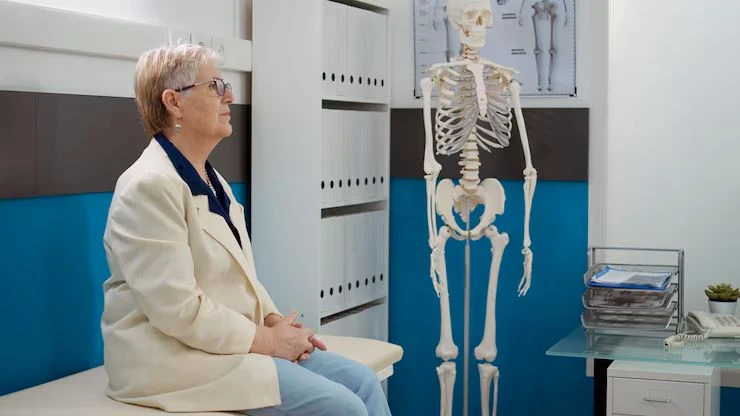

Osteoporosis is a condition marked by fragile bones and an increased risk of fractures. It affects both men and women but is especially common in postmenopausal women due to changes in hormone levels. If you’re searching for reliable osteoporosis care in Inner West, understanding the root causes of bone loss is an essential step toward better health.
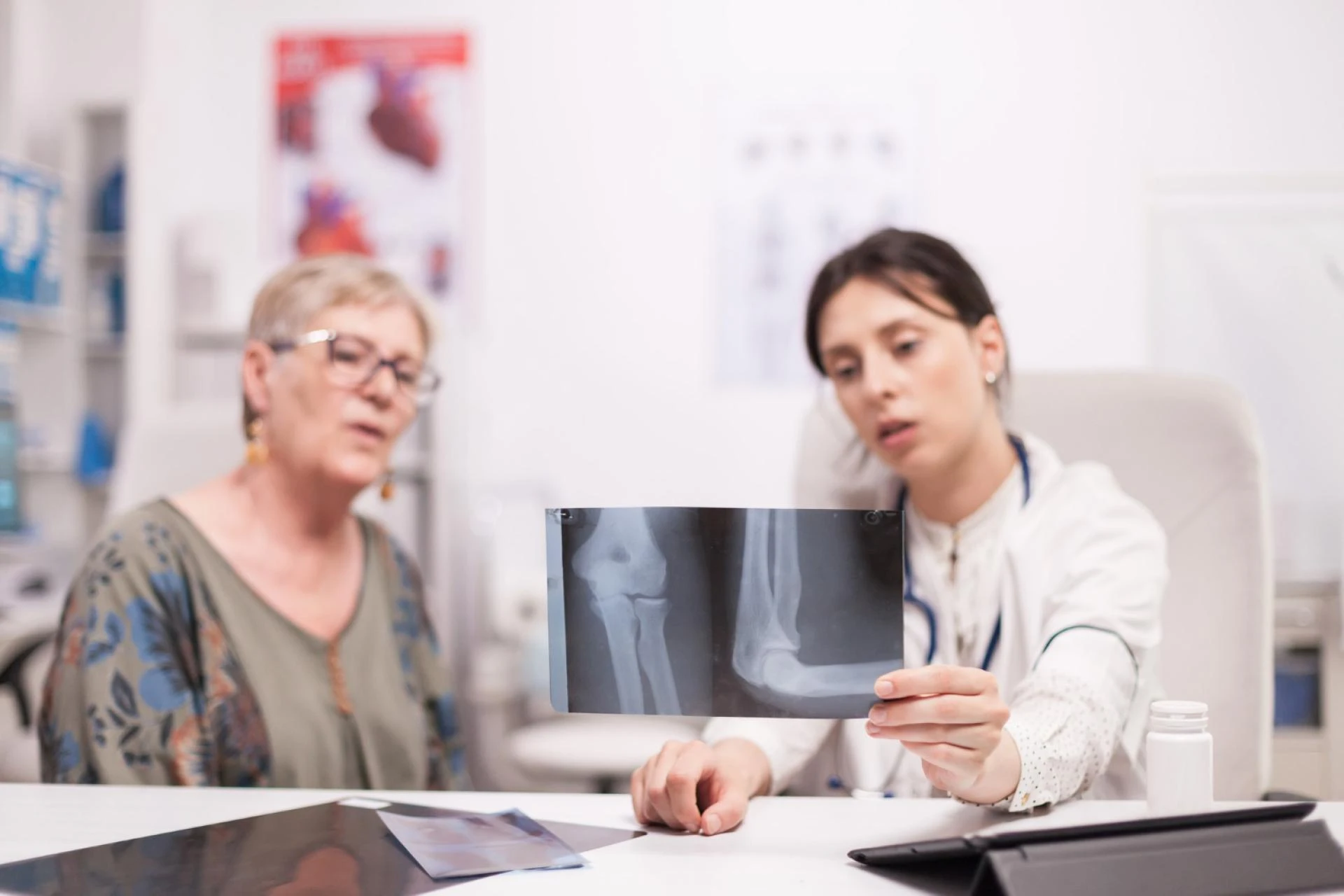
The Science of Bone Health
Our bones are not static structures. They’re constantly being remodeled—a process that involves both the breakdown of old bone and the formation of new bone. The balance between these two processes determines your overall bone density and strength. Disruption in this cycle is what leads to conditions like osteoporosis.
Key Bone Turnover Markers
To understand this balance, medical professionals look at bone turnover markers:
P1NP
A marker of bone formation—this reflects how much new bone is being laid down.
CTX
A marker of bone resorption—indicates the rate at which bone is being broken down.
For effective osteoporosis care in Inner West, monitoring these markers helps healthcare providers tailor a personalized plan.
How Diet Impacts Bone Density?
While we often hear about calcium and vitamin D, there’s another major player—carbohydrates. A recent study involving elite race walkers showed that carbohydrate availability can directly influence bone health. The group on a high-carb diet saw an increase in P1NP, meaning more bone was being formed. Conversely, those on a low-carb diet experienced a drop in bone formation and an increase in bone resorption (CTX).
What Recent Research Tells Us?
After 3.5 weeks of intense training, all participants showed an increase in CTX due to physical stress on the bones. However, the low-carb group showed a lower P1NP, suggesting that less new bone was being formed. Even after a short reintroduction of carbohydrates, CTX levels returned to normal, but P1NP stayed low—indicating a lingering effect of carbohydrate deprivation.
This points to the critical role that balanced nutrition plays in maintaining healthy bones, especially for those at risk of osteoporosis or stress fractures.
Medical Insight: Low-Carb Diets and Bone Health
Although this study was conducted on athletes, the implications are relevant more broadly. For general health, especially when managing or preventing osteoporosis, a restrictive low-carb or ketogenic diet may not be ideal unless medically necessary. A Mediterranean-style diet, rich in whole grains, fruits, vegetables, and healthy fats, has stronger evidence for supporting long-term health and bone density.
If you're seeking osteoporosis care in Inner West, it’s wise to consult a professional who offers individualised attention, lifestyle guidance, and medically grounded advice rather than trending diet plans.
Best Practices for Osteoporosis Care
To protect and improve bone health:
- Ensure adequate intake of calcium and vitamin D
- Incorporate weight-bearing exercises
- Avoid smoking and limit alcohol
- Follow a nutrient-rich, balanced diet
- Get regular bone density screenings
Holistic care that considers personal habits and healthy behaviors often yields the best long-term results.

Final Thoughts and Support Options
Osteoporosis is not just a concern for the elderly—it’s a condition that can be managed effectively with early intervention, evidence-based care, and a proactive lifestyle. Whether you're newly diagnosed or managing ongoing bone health, osteoporosis care in Inner West is available to help you feel empowered and supported on your journey. Availability within 1-2 weeks.


























Sign in to leave a comment.