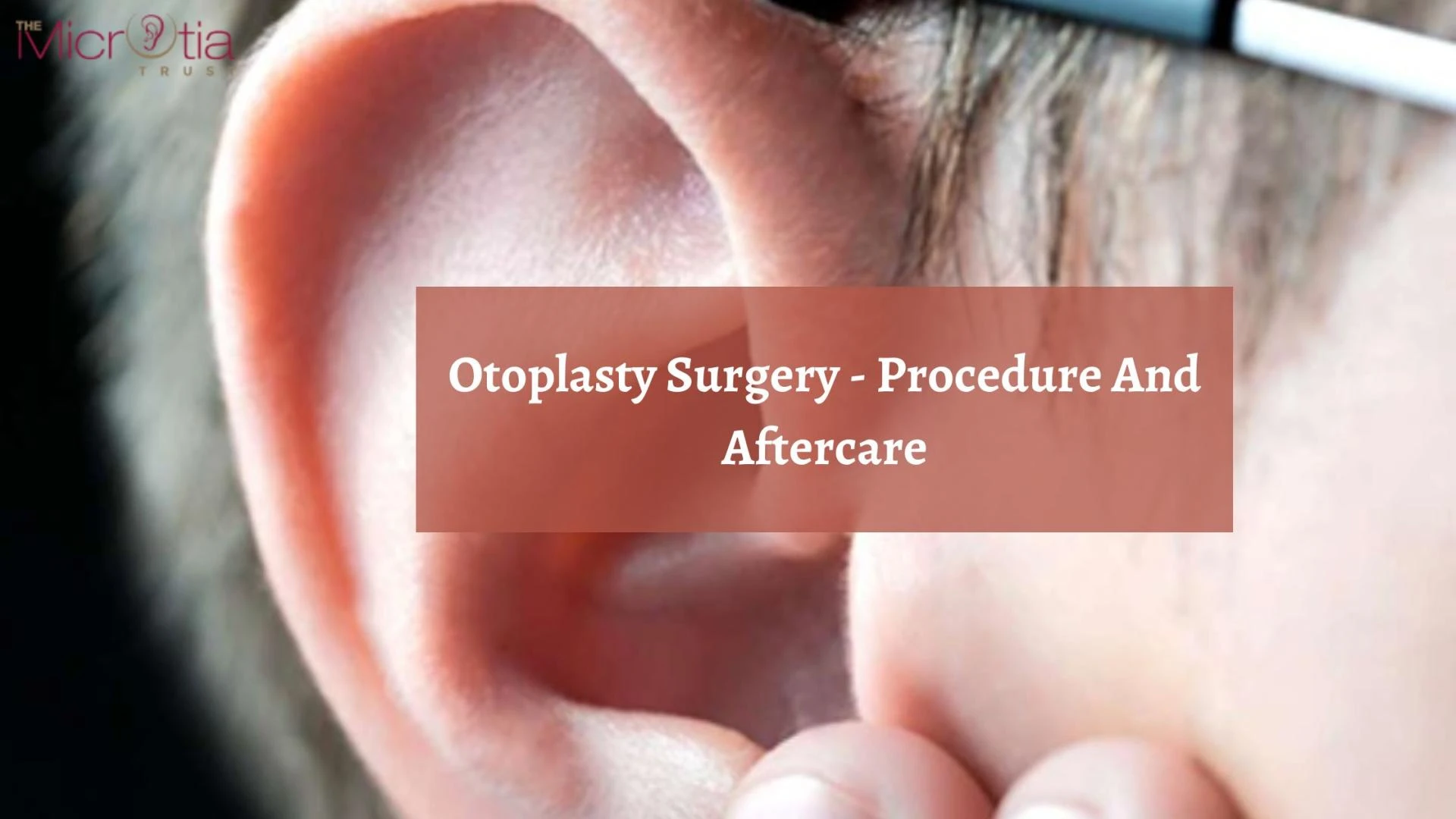

An example of a malformed ear is one with prominent ears that protrude further than the ears of a typical individual. Normal ears have an average breadth of 3 to 4.5 cm, a length of 5.5 to 7 cm, and a width that is between 50 and 60% of their length. When the angle between the ear and the skull is larger than typical and the ears are excessively evident when viewed from the front, the ears are said to be detached or conspicuous.
Surgery for prominent ears can be done on children, adults, and teenagers. The procedure fixes birth deformities in the ear that have affected the ear's shape, proportion, and placement. This procedure can also be used to fix protruding ears that have an abnormal shape. The surgery restores symmetry to the face and ears.
The Microtia Trust, the best ear reshaping surgery clinic in Mumbai, offers a variety of ear deformity treatments to patients with microtia, including external and internal ear deformities, prominent ears, and ear loss following injury or burns.
Why is the Surgery done?
One's ear or ears protrude excessively from the head.The ears are too huge for the skull.One is unhappy with a prior ear operation.Note: To maximize symmetry, otoplasty is often performed on both ears. The ears won't move or one's hearing won't change as a result of otoplasty.
Preparation Before The Surgery-
Reviewing the medical history: A discussion of any previous or present medical issues, particularly any ear infections. In addition, the doctor might inquire regarding any medications one is taking or have recently taken, as well as any recent procedures one had.Physical exam: The doctor will look at the ears, paying attention to their placement, size, shape, and symmetry, in order to decide on the treatment options. The ears may be photographed by the doctor.Discussing expectations: The doctor will probably ask one why they want an otoplasty and what outcomes they hope to achieve. Make sure one is aware of the dangers of otoplasty, including the potential for overcorrection.Surgical Procedure-
The ideal age to have otoplasty surgery is typically around the age of seven. The ear cartilage is developed sufficiently at this point for shaping, and the kid is old enough to cooperate with the procedure and its aftercare.In children, general anesthetic is used during the treatment, but in adults, local anesthetic is used.
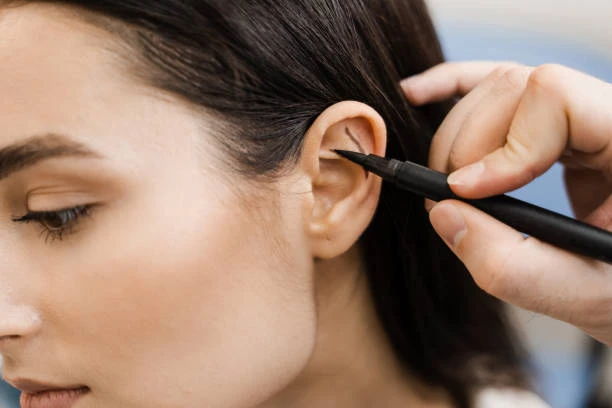
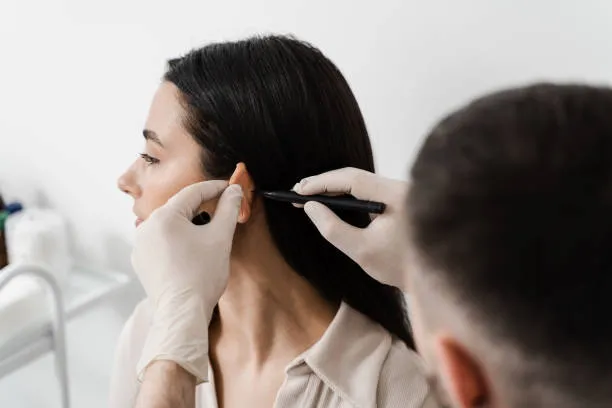
Next, the appropriate markings are created. As each ear's anatomical issue requires a distinct treatment, the surgical procedure used to treat projecting ears helps form or increase the anti helical fold and lowers swollen conchal cartilage. This enables the surgeon to use sutures to reposition and remodel the ear cartilage.
As a result, extra cartilage is removed during surgery, folds are produced if they are missing, and sutures are used to secure the ear to the skull.
All of the otoplasty scars are hidden behind the ear, out of sight. Both scraping the cartilage or applying stitches may be combined to improve the contour of the ear.
To rectify the protrusion of the ear lobes and draw the complete ear nearer to the side of the head, more sutures may be employed. The wounds are then stitched up, and a headband is put on. Patients are usually released the same day.
Result and Aftercare:
As a result, extra cartilage is removed during surgery, folds are produced if they are missing, and sutures are used to secure the ear to a skull. Both scraping the cartilage or applying stitches may be combined to improve the contour of the ear.To rectify the protrusion of the ear lobes and draw the complete ear nearer to the side of the head, more sutures may be employed. The wounds are then stitched up, and a headband is put on. Patients are typically released the same day.
Risks involved in the Surgery-
Scarring: Even while scars are permanent, one won't see them because they'll be concealed behind or in the wrinkles of the ears.Asymmetry: This might occur as a result of alterations made all through the process of healing. Additionally, existing asymmetry may not be successfully treated by surgery.Changes in skin sensation: The ears may need to be repositioned during otoplasty, which may temporarily impair localized skin sensation. The changes are rarely irreversible.Allergic reaction: An allergic response to the medical tape or other substances used before, throughout, or after the treatment is possible.Problematic stitches: It may be necessary to remove stitches that were used to stabilize the ear's new shape after they had reached the skin's surface.Hence, it is important to get the surgery done from an expert ear reconstruction surgeon to achieve safe and best outcomes.
If someone wishes to have a personal session to discuss their specific concerns. They can visit The Microtia Trust, the renowned ear reconstruction surgery clinic in Mumbai. For more information on the cost of otoplasty surgery, and get a consultation with Dr. Parag Telang today.
0






























Sign in to leave a comment.