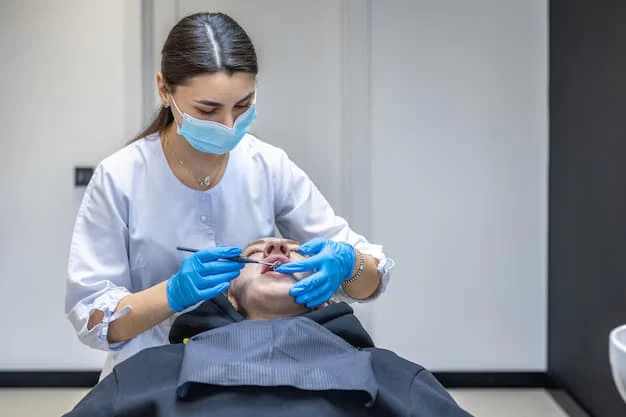

For individuals in Oxnard seeking an Oxnard endodontist, understanding root canal and pulp therapy services is essential for maintaining healthy teeth and preventing serious dental complications. Endodontic treatments focus on the dental pulp, the soft tissue inside the tooth, which can become infected or inflamed due to deep decay, trauma, or injury. With specialized care from an endodontist, patients can save natural teeth, relieve pain, and restore oral function efficiently. This guide explains the procedures, benefits, and aftercare tips to help residents of Oxnard make informed decisions about their dental health.
What is an Endodontist?
Specialized Dental Care
An endodontist is a dental specialist trained to diagnose and treat problems affecting the inner tissues of teeth. While general dentists can perform basic root canal procedures, endodontists have advanced training to handle complex cases using precision instruments and techniques. Their expertise ensures higher success rates and improved patient comfort.
Why Visit an Endodontist?
People typically seek an Oxnard endodontist when experiencing:
- Severe toothache or prolonged sensitivity to hot or cold
- Swelling or tenderness in the gums
- Deep cavities reaching the pulp
- Trauma or cracks in teeth
- Abscess formation or infection at the root
Early evaluation by a specialist can prevent tooth loss and reduce the need for more invasive treatments.
Understanding Root Canal Therapy
Purpose of Root Canal Treatment
Root canal therapy is designed to remove infected or damaged pulp tissue from within a tooth. The treatment eliminates infection, relieves pain, and preserves the natural tooth structure. By saving the tooth, root canal therapy maintains proper biting, chewing, and overall oral function.
The Root Canal Procedure
- Diagnosis and Imaging
The endodontist evaluates the tooth using X-rays or scans to determine the extent of infection and to map the shape of the root canals. - Anesthesia and Isolation
Local anesthesia ensures a comfortable experience, while a rubber dam isolates the tooth to maintain a clean and dry environment. - Cleaning and Shaping
Infected pulp is carefully removed, and the canals are cleaned and shaped to prepare them for filling. - Filling the Canals
The cleaned canals are sealed with a biocompatible material called gutta-percha to prevent future infection. - Restoration
A crown or filling is placed to restore the tooth’s strength, appearance, and functionality.
Benefits of Root Canal Therapy
- Eliminates pain and infection
- Preserves natural teeth
- Prevents further dental issues
- Maintains proper chewing and biting function
With proper care, root canal treatments have a high success rate and can last a lifetime.
Pulp Therapy for Children and Adults
What is Pulp Therapy?
Pulp therapy preserves the health of dental pulp when it is inflamed or partially infected. In children, it helps maintain primary teeth until permanent teeth emerge. Adults may also benefit from pulp therapy to treat early-stage pulp problems without the need for a full root canal.
Types of Pulp Therapy
- Pulp Capping
Used when the pulp is slightly exposed. A protective material covers the pulp to encourage healing. - Pulpectomy
Removes diseased pulp from the tooth while retaining healthy tissue where possible, similar to a root canal. - Pulpotomy
Often performed on primary teeth, it removes only the affected portion of pulp, preserving healthy tissue and maintaining space for permanent teeth.
Benefits of Pulp Therapy
- Preserves the natural tooth
- Reduces the need for extraction
- Prevents pain and infection
- Supports proper development in children’s teeth
Pulp therapy is a conservative, effective approach for early dental issues.
Signs You May Need Endodontic Care
Patients should consider visiting an Oxnard endodontist if they experience:
- Persistent tooth pain or heightened sensitivity
- Swelling or tenderness around a tooth
- Darkening or discoloration of a tooth
- Pain while biting or chewing
- Recurrent abscesses or gum pimples
Early intervention improves treatment outcomes and prevents further damage.
Caring for Teeth After Endodontic Treatment
Oral Hygiene Practices
Maintaining proper oral hygiene is essential after root canal or pulp therapy. Brush twice daily, floss regularly, and use an antibacterial mouthwash to prevent decay around the treated tooth.
Regular Dental Checkups
Follow-up visits allow the dentist or endodontist to monitor healing and ensure the tooth restoration remains intact. Early detection of any problems ensures long-lasting results.
Avoiding Damage
Treated teeth may be more fragile until fully restored. Avoid biting hard foods or objects, and wear a protective mouthguard during sports or nighttime teeth grinding.
Longevity and Success of Endodontic Treatments
Root canal and pulp therapy are highly successful procedures. With proper care, treated teeth can last a lifetime. Success depends on:
- Quality of oral hygiene
- Prompt attention to dental issues
- Proper restoration after treatment
- Avoiding habits that stress the tooth
Following these guidelines maximizes the durability of endodontic treatments.
Conclusion
For residents searching for an Oxnard endodontist, root canal and pulp therapy are effective solutions for preserving natural teeth, relieving pain, and preventing serious dental issues. Understanding the procedures, benefits, and post-treatment care helps patients maintain strong, healthy teeth. Proper oral hygiene, protective habits, and regular dental visits are key to long-lasting results. Those in Oxnard can rely on Puri dentistry for professional endodontic care and guidance to achieve optimal oral health.
Click here to visit the most trusted dental clinic in Oxnard.



Sign in to leave a comment.