
Oral health professionals emphasize the importance of early detection when it comes to serious conditions affecting the mouth. In Oxnard, CA 93030, many individuals are becoming more aware of preventive dental care and the value of routine screenings. One important preventive step is Oral Cancer Screening Oxnard, a procedure designed to detect early signs of abnormal tissue in the mouth, tongue, throat, and surrounding areas. Early detection greatly increases the chances of successful treatment and recovery. Many people assume that screenings are only necessary for those experiencing symptoms, but dental professionals often recommend them for a wider group of individuals. Understanding who should receive these screenings helps residents make informed decisions about their oral health.
Understanding Oral Cancer Screening
What Oral Cancer Screening Involves
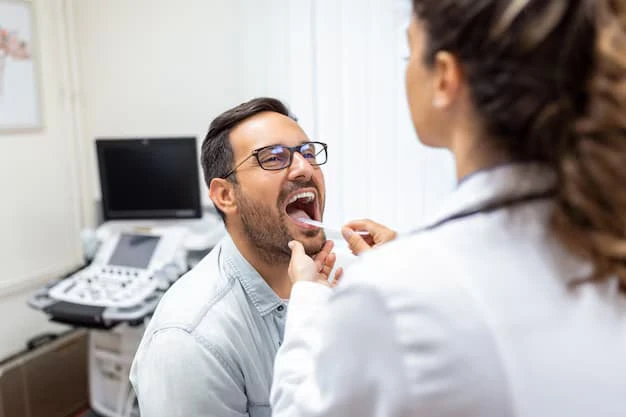
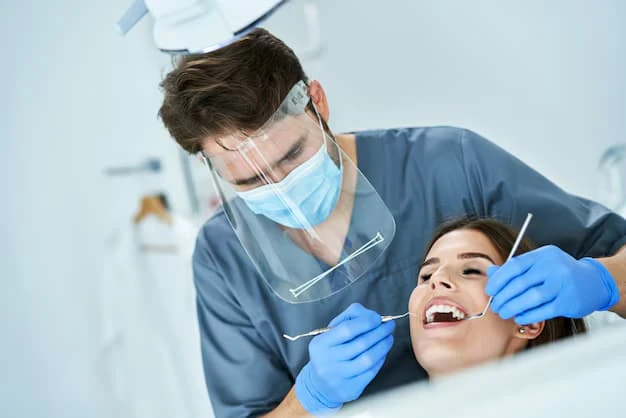
Oral cancer screening is a simple and painless examination performed during a dental visit. During the screening, a dental professional carefully checks the mouth, lips, tongue, gums, cheeks, and throat for signs of abnormal tissue or suspicious sores. The process often includes both visual inspection and gentle palpation of tissues. In some cases, specialized lights or screening tools may be used to detect changes that are not visible to the naked eye. The goal is to identify potential warning signs before they develop into serious health concerns. Early detection allows healthcare providers to recommend further evaluation or treatment when necessary. This proactive approach plays a vital role in maintaining long term oral and overall health.
Why Early Detection Is Important
Detecting oral cancer at an early stage significantly improves treatment outcomes. When the disease is found early, it is often easier to treat and less likely to spread to other parts of the body. Early detection may reduce the need for more aggressive treatments such as extensive surgery or radiation therapy. Regular screenings also provide reassurance to patients by confirming that no suspicious changes are present. In addition, screenings encourage individuals to become more aware of the condition of their oral tissues. Dental professionals can educate patients about symptoms to watch for between visits. This awareness strengthens preventive care and promotes healthier lifestyle habits.
Individuals at Higher Risk for Oral Cancer
Tobacco Users
People who use tobacco products are among the highest risk groups for oral cancer. Smoking cigarettes, cigars, or pipes exposes oral tissues to harmful chemicals that can damage cells over time. Smokeless tobacco products also increase the likelihood of developing abnormal lesions in the mouth. Long term tobacco use significantly raises the risk of cancer affecting the tongue, gums, lips, and throat. For this reason, dental professionals strongly recommend regular screenings for individuals who currently use or previously used tobacco. Routine examinations help detect early warning signs before they progress. Tobacco users who receive regular screenings can take important steps toward protecting their oral health.
Individuals Who Consume Alcohol Frequently
Heavy alcohol consumption is another major factor associated with oral cancer. Alcohol can irritate and weaken oral tissues, making them more vulnerable to damage from other substances such as tobacco. When alcohol and tobacco are used together, the risk of oral cancer increases even further. Individuals who drink alcohol regularly may benefit from more frequent screenings during dental visits. Dental professionals evaluate the health of oral tissues and look for changes that could indicate early disease. Preventive screenings help identify concerns before symptoms appear. Early intervention allows healthcare providers to guide patients toward appropriate care and lifestyle adjustments.
Adults Over the Age of Forty
Although oral cancer can affect people of any age, the risk tends to increase as individuals grow older. Adults over the age of forty are often advised to receive routine oral cancer screenings during dental examinations. Over time, environmental factors and lifestyle habits can contribute to cellular changes in the mouth. Regular screenings provide an opportunity to detect these changes before they become serious health concerns. Dental professionals also monitor the progression of any suspicious areas over time. Early monitoring can lead to faster diagnosis and treatment when necessary. This proactive approach helps older adults maintain better oral health and overall wellbeing.
Other Individuals Who Should Consider Screening
People with Human Papillomavirus Infection
Human papillomavirus, commonly known as HPV, has been linked to certain types of oral and throat cancers. Individuals who have been diagnosed with HPV may face a higher risk of developing cancer in the oral cavity or throat. Because HPV related cancers can develop without obvious symptoms, screenings play an important role in early detection. Dental professionals examine tissues carefully for unusual growths or lesions that may require further investigation. Regular monitoring helps ensure that potential issues are addressed promptly. Patients who discuss their health history with dental professionals can receive personalized recommendations for screening frequency. This preventive approach supports long term oral health protection.
Individuals with a History of Sun Exposure
Excessive sun exposure can increase the risk of cancer affecting the lips. People who spend a large amount of time outdoors without lip protection may develop damage to the delicate tissues in this area. Farmers, construction workers, and outdoor enthusiasts often face higher exposure to ultraviolet radiation. During oral cancer screenings, dental professionals examine the lips closely for discoloration, sores, or persistent changes. Early identification of abnormal areas can lead to prompt treatment. Preventive strategies such as using lip protection and sunscreen can also be recommended. Regular screenings provide reassurance and protection for those who work or spend significant time outdoors.
People with a Family History of Cancer
A family history of cancer may also increase the importance of preventive screenings. While genetics alone do not guarantee the development of oral cancer, inherited factors can contribute to increased susceptibility. Individuals with close relatives who have experienced oral or other types of cancer may benefit from routine monitoring. Dental professionals consider family history when assessing a patient's overall risk profile. Screenings provide an opportunity to evaluate any unusual tissue changes early. Early detection improves the chances of effective treatment and recovery. Patients who remain proactive about their oral health can reduce potential risks over time.
Signs That May Indicate the Need for Screening
Persistent Mouth Sores
One of the most common warning signs of oral cancer is a sore that does not heal within two weeks. Persistent ulcers or sores inside the mouth should always be evaluated by a dental professional. While many sores are harmless, some may indicate more serious conditions. During a screening, dental professionals assess the appearance, texture, and location of the sore. Additional testing may be recommended if the area appears suspicious. Early evaluation ensures that potential issues are addressed before they worsen. Prompt attention to unusual sores is a key step in preventive oral health care.
Unexplained Lumps or Thickened Areas
Lumps or thickened tissues in the mouth or neck can also be signs that require further evaluation. These changes may occur on the tongue, gums, cheeks, or throat. Some lumps may be painless, which makes regular screenings especially important. Dental professionals carefully examine these areas and assess whether further testing is necessary. Early detection of abnormal tissue growth can greatly improve treatment outcomes. Individuals who notice unusual changes should schedule a dental visit promptly. Consistent monitoring helps protect long term oral health.
Difficulty Swallowing or Speaking
Changes in the ability to swallow, chew, or speak can sometimes signal underlying oral health issues. Persistent discomfort in the throat or difficulty moving the tongue may require professional evaluation. These symptoms can have many causes, but screenings help rule out serious conditions. Dental professionals assess the structure and function of oral tissues during examinations. If necessary, patients may be referred for additional testing or specialist care. Addressing symptoms early reduces the risk of complications. Preventive attention supports both oral function and overall health.
The Importance of Routine Dental Visits
Regular dental visits play a crucial role in detecting early signs of oral disease. During routine checkups, dental professionals evaluate the health of teeth, gums, and surrounding tissues. Oral cancer screening is often included as part of these comprehensive examinations. Patients benefit from professional assessments that identify subtle changes in the mouth. Routine visits also provide opportunities for education about risk factors and prevention. Dental professionals guide patients on maintaining healthy habits and recognizing warning signs. Consistent dental care remains one of the most effective ways to safeguard oral health.
Conclusion
Oral cancer screenings are an essential part of preventive dental care for many individuals. People who use tobacco, consume alcohol frequently, have HPV, experience high sun exposure, or have a family history of cancer may benefit from regular evaluations. Adults over forty and individuals who notice persistent sores, lumps, or difficulty swallowing should also consider screening as part of routine oral health care. Early detection allows healthcare providers to identify abnormal tissue changes and recommend appropriate treatment before the condition progresses. Residents seeking professional guidance and preventive care in Oxnard, CA can learn more about oral health screenings and protective dental services by consulting the experienced team at Puridentistry.
Click here to experience advanced care from skilled Oxnard dentists.




























Sign in to leave a comment.