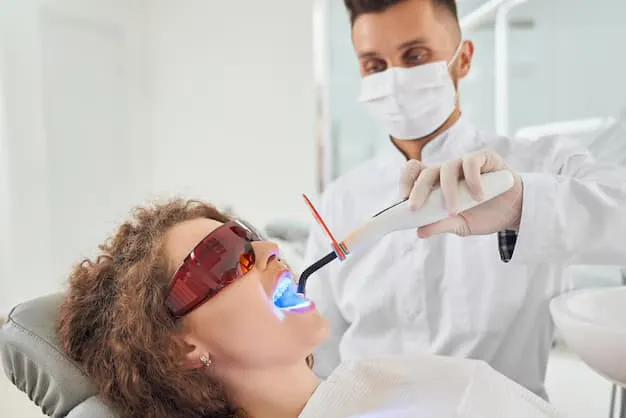

Early cavities often form without clear symptoms. A small area of weakened enamel may go unnoticed, yet it marks the beginning of tooth decay. At this stage, treatment is usually simpler and less invasive than many expect. Acting early can help protect more of the natural tooth and avoid complex procedures later on.
Two common approaches include traditional drilling and ozone dental treatment. Each method works in a different way, and understanding how they compare can help patients choose the option that suits their needs and comfort.
Understanding Early Cavities
A cavity begins when bacteria in the mouth produce acids that soften the tooth’s outer layer. In its earliest phase, this damage is often reversible. Dentists focus on stopping the decay before it progresses deeper into the tooth.
At this point, treatment does not always require drilling. Preventive and minimally invasive options, including ozone dental treatment, are designed to manage decay while preserving as much natural tooth structure as possible.
What Happens During Traditional Drilling?
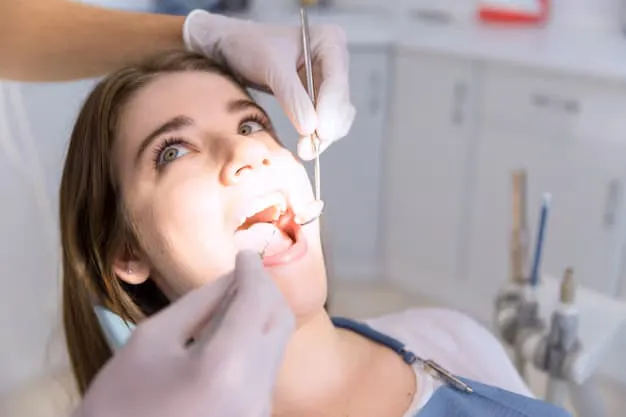
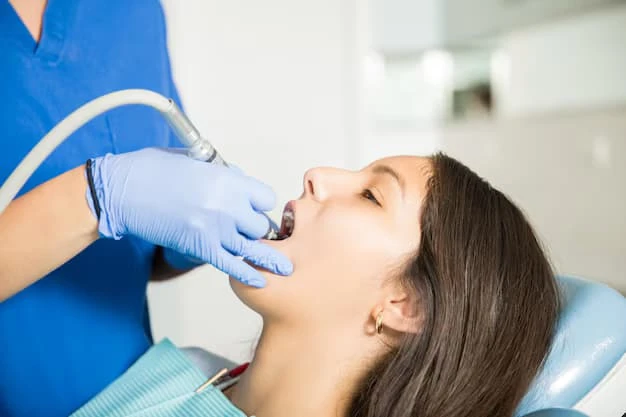
Traditional drilling has been used for many years to remove decayed tissue. The process involves:
- Using a dental drill to clean out the damaged part of the tooth
- Shaping the space to hold a filling
- Placing a material, such as a composite, to restore the tooth’s function
This method is effective, especially for more advanced cavities. It physically removes decay and seals the tooth to prevent further damage. However, it also removes a portion of healthy tooth structure around the cavity, which may weaken the tooth over time.
For early-stage cavities, some patients feel that drilling may be more invasive than necessary.
What Is Ozone Dental Treatment?
Ozone dental treatment uses ozone gas, a form of oxygen, to target harmful bacteria in the mouth. The gas is applied directly to the affected area for a short time. It works by disrupting bacterial cell walls, reducing the number of decay-causing organisms.
After the application, the tooth is often treated with a remineralising solution. This helps the enamel recover and strengthens the area that was previously weakened.
Unlike drilling, ozone treatment does not involve removing tooth structure. It focuses on stopping decay and supporting the tooth’s natural repair process.
Comparing the Two Approaches
Level of Invasiveness
Traditional drilling is a mechanical process. It removes both decayed and a small amount of surrounding tooth material. This is sometimes necessary, but it can feel more invasive to patients.
In contrast, ozone dental treatment is non-invasive. There is no cutting, no drilling, and in most cases, no need for anaesthetic. This makes it appealing for those who prefer gentler options.
Comfort During the Procedure
Some patients experience discomfort or anxiety during drilling, particularly due to vibration or sound. Local anaesthetic is often used to reduce pain.
With ozone treatment, the process is typically quiet and quick. Many patients find it more comfortable, especially those who feel uneasy about dental procedures.
Suitability for Early Decay
For cavities that have already formed deeper holes, drilling remains necessary. It allows the dentist to clean and fill the space properly.
However, for early enamel damage, ozone dental treatment can be a suitable option. It aims to stop decay before a cavity fully develops, reducing the need for restorative work.
Impact on Tooth Structure
Preserving natural tooth tissue is an important part of modern dentistry. Every time a tooth is drilled and filled, its structure changes slightly.
Because ozone treatment does not remove enamel or dentine, it helps maintain the tooth’s original strength. This can be beneficial in the long term, especially for younger patients or those prone to repeated decay.
Treatment Time and Follow-Up
Drilling appointments may take longer, particularly if multiple teeth are involved. After treatment, patients may need time to adjust to the filling.
Ozone dental treatment is usually quicker. The application itself takes only a short time, though follow-up care, such as improved oral hygiene or fluoride use, is essential to support healing.
When Is Each Option Recommended?
Dentists assess several factors before recommending a treatment. These include the size and depth of the cavity, the patient’s oral health habits, and the risk of future decay.
- Traditional drilling is often advised when decay has progressed beyond the enamel
- Ozone dental treatment may be considered when decay is detected early and has not yet formed a deep cavity
In some cases, a combined approach is used. Ozone may be applied after drilling to reduce bacteria before placing a filling.
The Role of Prevention
Regardless of the treatment chosen, preventing further decay is essential. Daily brushing with fluoride toothpaste, reducing sugar intake, and regular dental check-ups all play a part.
Ozone treatment is sometimes used alongside preventive care plans. By lowering bacterial levels, it can support a healthier oral environment. However, it does not replace the need for consistent home care.
Making an Informed Choice
Choosing between treatments is not about one being universally better than the other. It depends on the condition of the tooth and the goals of care.
Patients who value minimally invasive approaches may prefer ozone dental treatment when it is appropriate. Those with more advanced decay will benefit from the reliability of traditional drilling.
Open discussion with a dental professional helps clarify which option aligns with the clinical situation and personal comfort.
Final Thoughts
Early cavities offer an opportunity for conservative care. While traditional drilling remains an effective and widely used method, newer approaches like ozone dental treatment provide an alternative for managing decay at its earliest stage.
Understanding how each method works allows patients to take a more active role in their oral health decisions. By focusing on early detection and thoughtful treatment choices, it is possible to protect natural teeth and reduce the need for more extensive procedures in the future.





























Sign in to leave a comment.