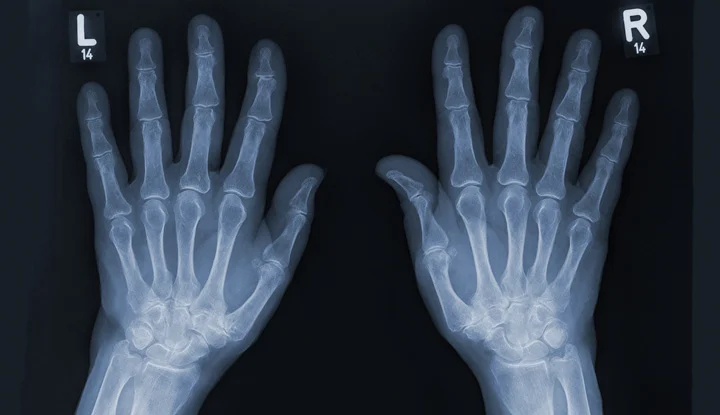

Diagnostic imaging is generally safe for children when performed under appropriate medical supervision and with the use of appropriate equipment and protocols.
Medical imaging techniques, such as X-rays, ultrasound, CT scans (computed tomography), and MRI (magnetic resonance imaging), play a crucial role in diagnosing and monitoring various medical conditions in children.
However, certain precautions and considerations are essential to ensure the safety and well-being of Paediatric patients during these procedures.
Minimizing Radiation Exposure:
X-rays and CT scans involve exposure to ionizing radiation, which can potentially increase the risk of developing cancer in the long term.
To minimize this risk, medical professionals follow the ALARA principle (As Low As Reasonably Achievable), adjusting radiation doses to the smallest amount necessary for an accurate diagnosis.
Additionally, alternative imaging modalities that do not involve ionizing radiation, such as ultrasound or MRI, may be preferred for certain conditions when feasible.
Size-appropriate Equipment:
Children's bodies are smaller and more sensitive than adults', so it is essential to use size-appropriate imaging equipment.
Paediatric imaging centers and hospitals often have specialized machines and protocols designed specifically for children to ensure optimal image quality while reducing radiation exposure.
Sedation And Anesthesia:
Younger children or those who have difficulty remaining still during imaging procedures may require sedation or anesthesia to ensure the quality of the images.
In such cases, the medical team carefully evaluates the risks and benefits of sedation or anesthesia and closely monitors the child throughout the procedure.
Parental Involvement And Comfort:
Parents or guardians are usually allowed to be present during the imaging procedure to provide comfort and support to the child.
This can help reduce anxiety and fear, making the process less stressful for the young patient.
Radiation-free Alternatives:
In cases where diagnostic imaging involving ionizing radiation is not necessary, healthcare providers may opt for radiation-free alternatives like ultrasound or MRI.
These imaging techniques use different principles to generate images and are considered safer for certain conditions.
Justification And Clinical Indication:
Before performing any imaging procedure on a child, healthcare providers carefully assess the clinical indication and ensure that the benefits of the procedure outweigh any potential risks.
Only medically justified imaging tests should be performed on Paediatric patients.
Conclusion:
Diagnostic imaging can be safe and beneficial for children when performed with appropriate protocols, equipment, and medical supervision.
Healthcare providers carefully consider the risks and benefits before ordering any imaging test for a Paediatric patient.
By following strict safety guidelines and using size-appropriate equipment, medical professionals strive to obtain accurate diagnoses while minimizing any potential risks associated with radiation exposure.
As with any medical procedure, open communication between the healthcare team and parents is crucial to ensure the child's safety and comfort during the diagnostic imaging process.
When it comes to diagnostic imaging for your children, opt for one of Australia's leading centers for unparalleled quality. With numerous locations nationwide, scheduling an appointment with them is incredibly convenient and hassle-free.




























Sign in to leave a comment.