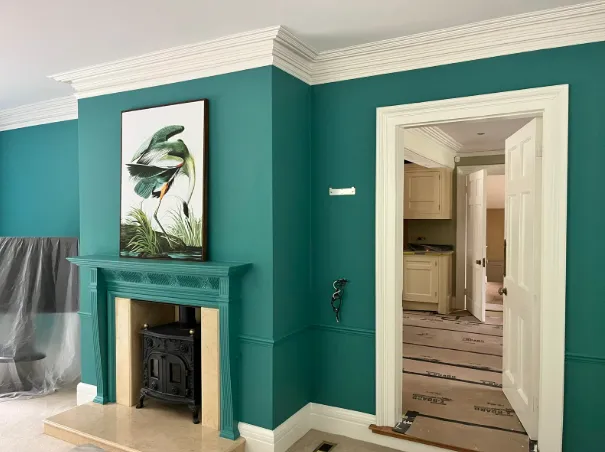

A fresh coat of paint can completely change the feel of a property.
That might sound obvious, yet anyone who has walked into a newly decorated room understands the effect immediately. Spaces feel brighter, cleaner and often more valuable. What many property owners underestimate, however, is how much of that transformation comes down to preparation, technique and attention to detail rather than the paint itself.
Across the capital, demand for painting and decorating in London continues to grow as homeowners, landlords and businesses look for practical ways to improve their properties without undertaking major renovations. Whether it's refreshing a Victorian terrace, updating a city apartment or modernising an office, decorating remains one of the most effective ways to improve both appearance and functionality.
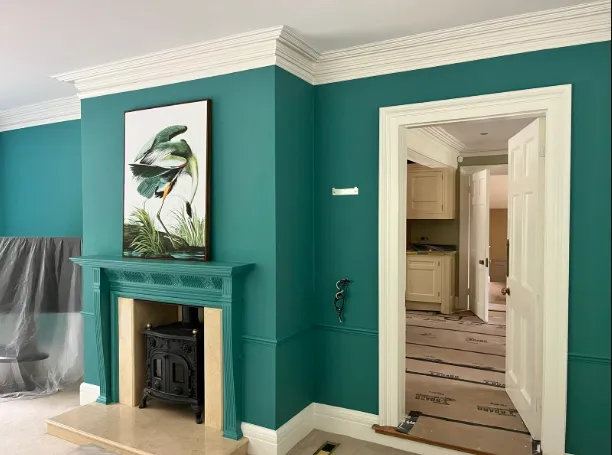
The challenge is achieving a finish that lasts.
The Changing Expectations of Modern Property Owners
Not long ago, decorating was often viewed as a maintenance task.
Walls became marked, colours faded, and repainting was simply part of routine upkeep. Today, expectations are different. Interior design has become more accessible through social media, design publications and renovation programmes, leading many people to pay closer attention to finishes and presentation.
Homeowners are increasingly interested in creating spaces that reflect their lifestyle rather than simply following trends. Businesses have adopted a similar mindset. Office environments, hospitality venues and retail spaces are being designed more carefully, recognising that appearance influences how people feel within a space.
As a result, painting and decorating is no longer just about covering surfaces. It has become an important part of how properties are experienced.
Why Painting and Decorating Is About More Than Colour
When people think about decorating projects, colour usually receives the most attention.
The reality is that successful decorating involves far more than choosing between shades of white, grey or green.
Light plays a significant role. A colour that appears warm and inviting in a south-facing room may look entirely different in a north-facing space. Texture matters too. Matt, satin and gloss finishes each create different visual effects and practical benefits.
Then there is the condition of the surface itself.
Even the most expensive paint cannot disguise poor preparation. Uneven walls, cracks, peeling finishes and moisture damage often become more noticeable after painting if they haven't been addressed properly beforehand.
Professional decorators understand that achieving a quality finish starts long before a brush touches the wall.
Painting and Decorating in London Comes With Unique Challenges
Few cities have a housing stock as varied as London's.
A single street may contain Georgian townhouses, Victorian terraces, converted flats and newly built developments. Each presents its own set of decorating challenges.
Older properties often feature uneven plasterwork, historical repairs and architectural details that require specialist attention. Cornicing, ceiling roses, sash windows and decorative mouldings can demand considerably more time and skill than modern surfaces.
London's climate also plays a part.
External decorating projects must contend with fluctuating weather conditions, while internal spaces may experience issues linked to condensation, ventilation and moisture. These factors influence everything from surface preparation to paint selection.
What works perfectly in a modern apartment block may not be suitable for a period property built more than a century ago.
Understanding those differences is often what separates average results from exceptional ones.
Common Mistakes That Affect Results
One of the most frequent decorating mistakes is rushing the preparation stage.
Many property owners focus on the visible aspects of a project while overlooking the work that happens beforehand. Filling cracks, sanding surfaces, cleaning walls and applying suitable primers can feel time-consuming, but they have a direct impact on the final appearance.
Another common issue is choosing products based solely on price.
Budget paints may appear attractive initially, but they often require additional coats and may not provide the durability needed for busy households or commercial environments.
Colour selection can also cause problems.
Trends come and go quickly. Colours that feel fashionable today may feel dated within a few years. That doesn't mean avoiding trends altogether, but it does mean considering how they fit into the wider character of the property.
The most successful decorating projects tend to balance personal taste with long-term practicality.
The Value of Professional Preparation
Ask experienced decorators what contributes most to a quality finish and many will give the same answer: preparation.
It's rarely the most visible part of the job, yet it's often the most important.
Proper preparation helps paint adhere correctly, improves durability and creates the smooth surfaces that make finished rooms look polished. It can also reveal hidden issues such as damp patches, cracks or previous repair work that would otherwise remain unnoticed.
This is particularly relevant in London's older housing stock, where decades of renovations may have left behind layers of paint, wallpaper and repairs.
Addressing these issues before decorating often saves significant time and expense in the future.
It's not always the most exciting part of a project, but it is frequently the difference between a finish that lasts a few years and one that continues to look good for much longer.
Trends Worth Considering — and Those Worth Ignoring
Decorating trends can be useful sources of inspiration, but they shouldn't dictate every decision.
Natural colours continue to remain popular because they offer flexibility and longevity. Soft greens, warm neutrals and earthy tones work well across a variety of property styles and tend to age gracefully.
There is also growing interest in textured finishes and feature walls that introduce visual interest without overwhelming a room.
On the other hand, highly specific trends can sometimes date quickly. What looks striking in a magazine spread may not always suit everyday living.
Many interior designers suggest focusing on timeless foundations while introducing personality through furnishings, artwork and smaller decorative elements.
That approach often provides greater flexibility as tastes change over time.
The continued demand for painting and decorating in London reflects something simple: people value spaces that feel well cared for, functional and visually appealing.
Whether improving a family home, preparing a rental property or updating commercial premises, decorating remains one of the most effective ways to enhance a building without major structural work.
While colours and trends will continue to change, the principles behind successful painting and decorating in London remain remarkably consistent. Careful preparation, quality materials and skilled craftsmanship still deliver the best results.
Sometimes the most noticeable transformations come from paying attention to the details people rarely see.
FAQs
How often should a property be redecorated?
Most interior spaces benefit from redecorating every five to seven years, though high-traffic areas may require attention sooner.
Does professional decorating add value to a property?
A well-presented property often creates stronger first impressions and may increase buyer or tenant interest.
What is the most important part of a decorating project?
Preparation is widely regarded as the foundation of a successful decorating finish.
Are premium paints worth the extra cost?
In many cases, yes. Higher-quality paints often provide better coverage, durability and long-term appearance.
Can older London properties require specialist decorating techniques?
Absolutely. Period features, ageing surfaces and historical repairs often require a more experienced approach than modern properties.

























Sign in to leave a comment.