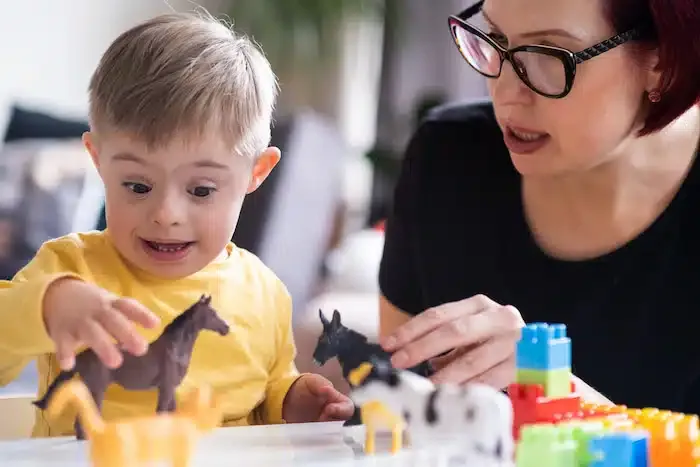

Parent and child estrangement is a difficult and often painful experience that affects many families today. It refers to a situation where a parent and their child have little to no contact with each other, sometimes for months or even years. While it may not always be openly discussed, it is becoming more common in modern society.
Experts like Dr. Joshua Coleman describe parent-child estrangement as a “silent epidemic,” highlighting how widespread and impactful it has become.
One of the key reasons behind estrangement is changing social values. In the past, family bonds were often maintained regardless of personal differences. Today, individuals place a stronger focus on emotional well-being and mental health. If a relationship feels harmful or stressful, some people choose distance as a way to protect themselves.
Estrangement can happen for many reasons. In some cases, it is due to serious issues like abuse or neglect. In others, it may develop from ongoing misunderstandings, unmet emotional needs, or differences in values and beliefs. Even small conflicts, when left unresolved over time, can grow into larger problems that push families apart.
What makes estrangement especially challenging is that it rarely affects just two people. It often impacts the entire family. Relationships between siblings can become strained, grandparents may lose contact with grandchildren, and family gatherings can become complicated or divided.
For parents, the experience can be deeply emotional, bringing feelings of sadness, guilt, and confusion. For children, the decision to create distance may come from a need for peace or personal growth. Both sides may carry their own perspectives and pain, which can make communication even more difficult.
Despite the challenges, there is still hope for healing in many situations. Rebuilding a relationship often begins with understanding and empathy. Experts suggest that open communication, taking responsibility for past actions, and being willing to listen can help create a path toward reconnection.
However, it is also important to recognize that not all relationships can or should be repaired, especially in cases involving serious harm. In such situations, maintaining distance may be the healthiest choice.
In conclusion, parent and child estrangement is a complex and emotional issue shaped by personal experiences and changing social values. While it can be painful, understanding its causes and approaching it with empathy can help families find clarity—whether that leads to reconciliation or acceptance.































Sign in to leave a comment.