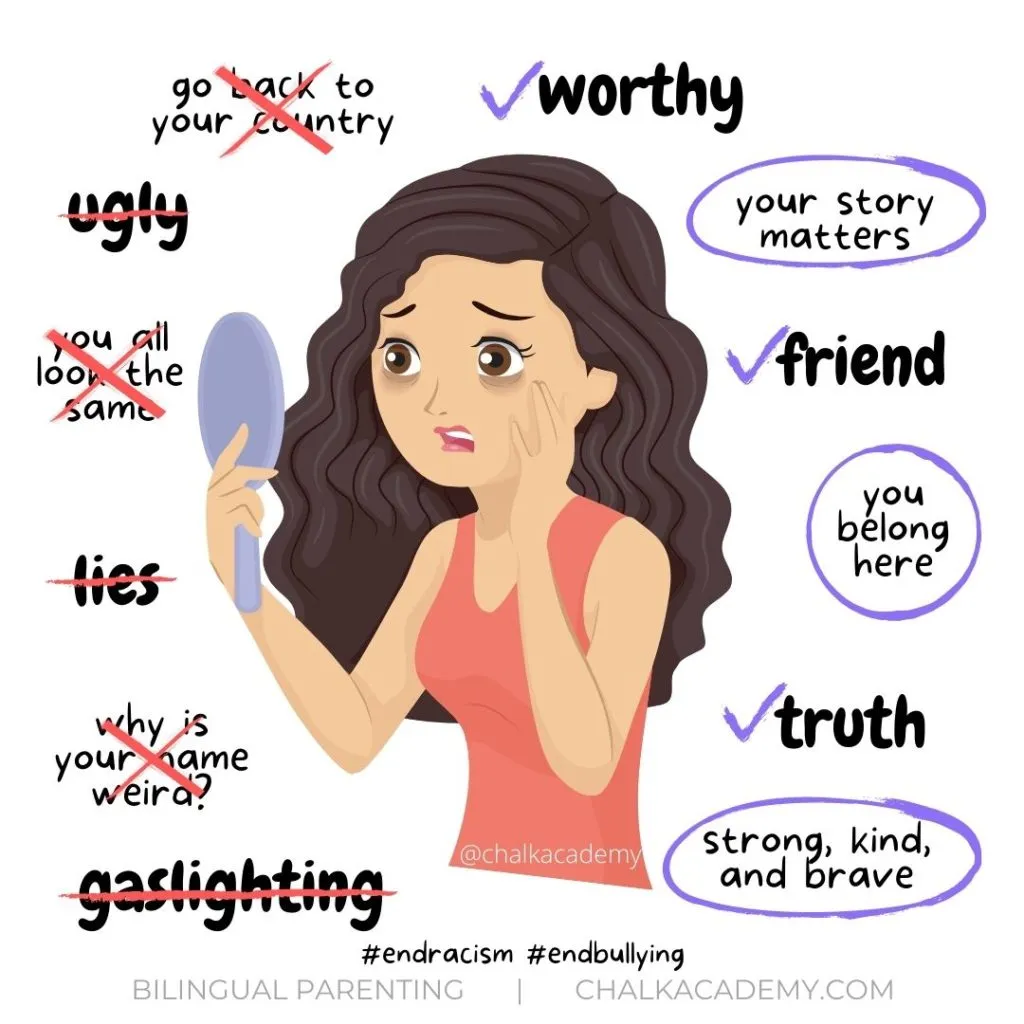

Bullying is a growing concern for parents, schools, and communities worldwide. From school playgrounds to digital platforms, children today face multiple forms of aggression that can deeply impact their mental and emotional well-being. Understanding effective bullying prevention tips is essential for creating a safer, healthier environment for kids.
Insights from experts like Dr. Tracy Vaillancourt highlight that bullying is not just a phase—it has long-term consequences and requires active prevention strategies from both parents and educators.
Understanding Youth Aggression and Bullying
Bullying often begins in school environments and can extend into online spaces. Research shows that most bullying incidents occur in or around schools, with online bullying often being a continuation of offline conflicts.
More importantly, bullying is not harmless behavior. It can lead to serious mental health issues such as anxiety, depression, and low self-esteem, affecting a child’s development long-term.
Why Bullying Prevention Matters
Bullying doesn’t just affect victims—it impacts everyone involved, including bystanders and even the aggressor. Studies suggest that children who experience bullying may carry emotional and physical health effects into adulthood.
Key impacts include:
- Decline in academic performance
- Increased stress and anxiety
- Social withdrawal
- Long-term emotional trauma
Top Bullying Prevention Tips for Parents
1. Increase Supervision and Awareness
One of the most effective strategies is simple: more adult supervision. Research shows bullying rates can significantly decrease when children are closely monitored in schools and social settings.
At home, stay involved in your child’s daily activities, friendships, and online behavior.
2. Encourage Open Communication
Create a safe space where your child feels comfortable sharing their experiences. Many children hesitate to report bullying due to fear or embarrassment.
Ask questions like:
- “How was your day at school?”
- “Did anything make you uncomfortable today?”
3. Teach Empathy and Respect
Bullying is often a learned behavior. Children model what they see, so parents must demonstrate kindness, respect, and healthy communication.
Encourage your child to:
- Stand up for others
- Avoid teasing or exclusion
- Treat peers with respect
4. Recognize Warning Signs Early
Parents should watch for behavioral changes such as:
- Sudden mood swings
- Loss of interest in school
- Sleep issues or anxiety
- Avoiding social situations
These signs may indicate your child is being bullied or engaging in bullying behavior.
5. Address Bullying Immediately
Ignoring bullying can make it worse. Experts emphasize that silence can be seen as acceptance, allowing harmful behavior to continue.
Take action by:
- Speaking with teachers or school authorities
- Addressing the behavior calmly but firmly
- Supporting both the victim and corrective behavior for the aggressor
6. Build Strong Social Connections
Encourage friendships and group activities like sports, arts, or clubs. Having even one close friend can protect children from the negative effects of bullying.
7. Promote a Positive School Environment
Bullying prevention is not just a family responsibility—it requires a community effort. Schools should:
- Implement anti-bullying policies
- Encourage inclusivity
- Train staff to recognize and intervene early
The Role of Parents and Schools Together
Preventing bullying requires collaboration. Parents, teachers, and communities must work together to:
- Monitor children’s behavior
- Intervene early
- Create safe, supportive environments
When adults actively engage, bullying incidents can decrease significantly.
Final Thoughts
Bullying is a serious issue, but it is preventable. By applying these bullying prevention tips, parents can help their children build confidence, develop empathy, and navigate social challenges safely.
The key is simple yet powerful: stay involved, stay aware, and never ignore the signs. Early action can make a lifelong difference in a child’s well-being.




























Sign in to leave a comment.