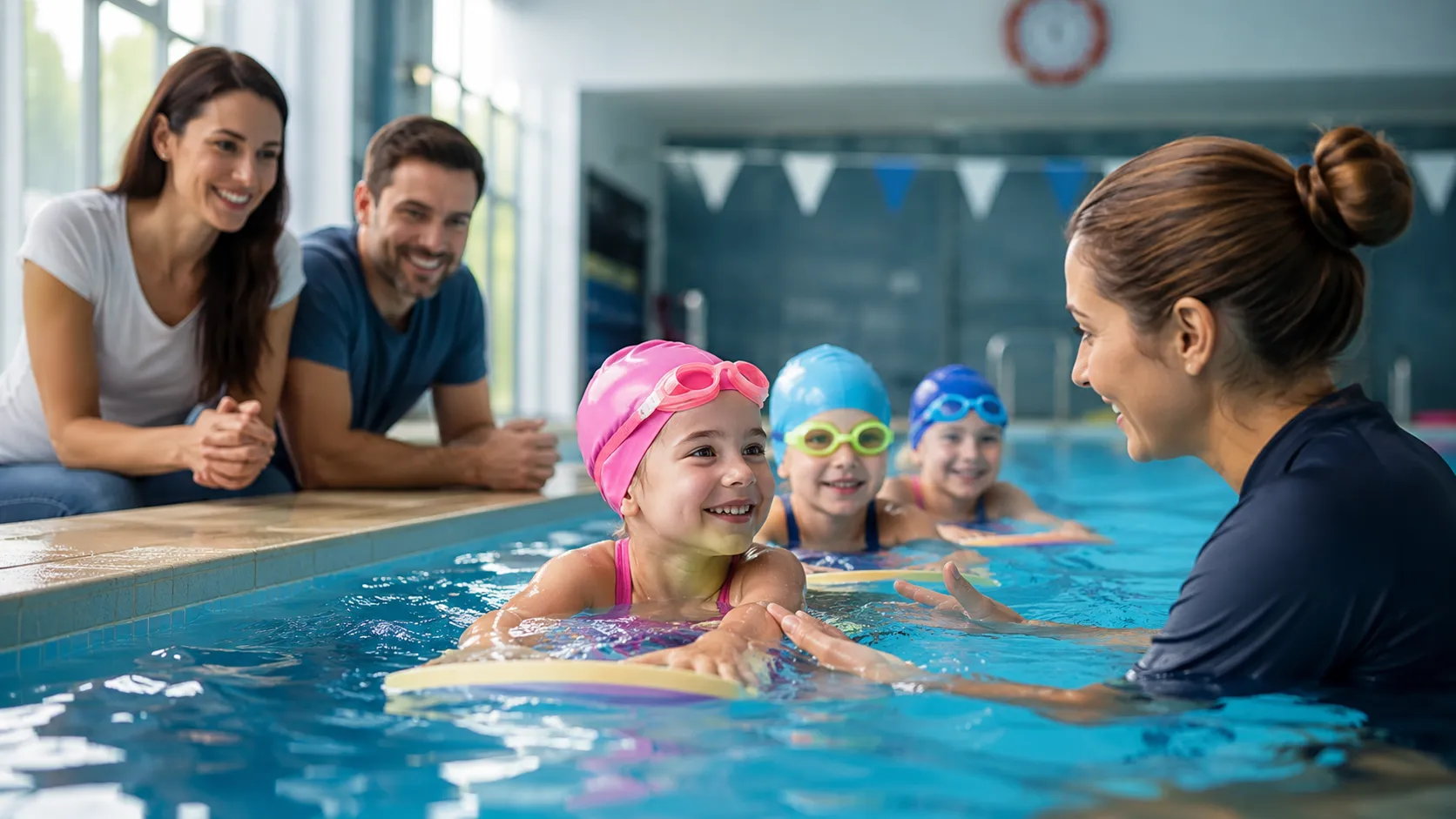

Choosing City Mississauga Swimming Lessons is an important decision for parents who want their child to feel safer, calmer and more confident around water. Swimming is not just another activity on the weekly schedule. It is a life skill that supports safety, fitness, discipline, coordination and independence. Before registering, parents should understand how swim programs work, what type of class fits their child’s age and comfort level and what signs show that a program is designed for steady learning rather than rushed progress.
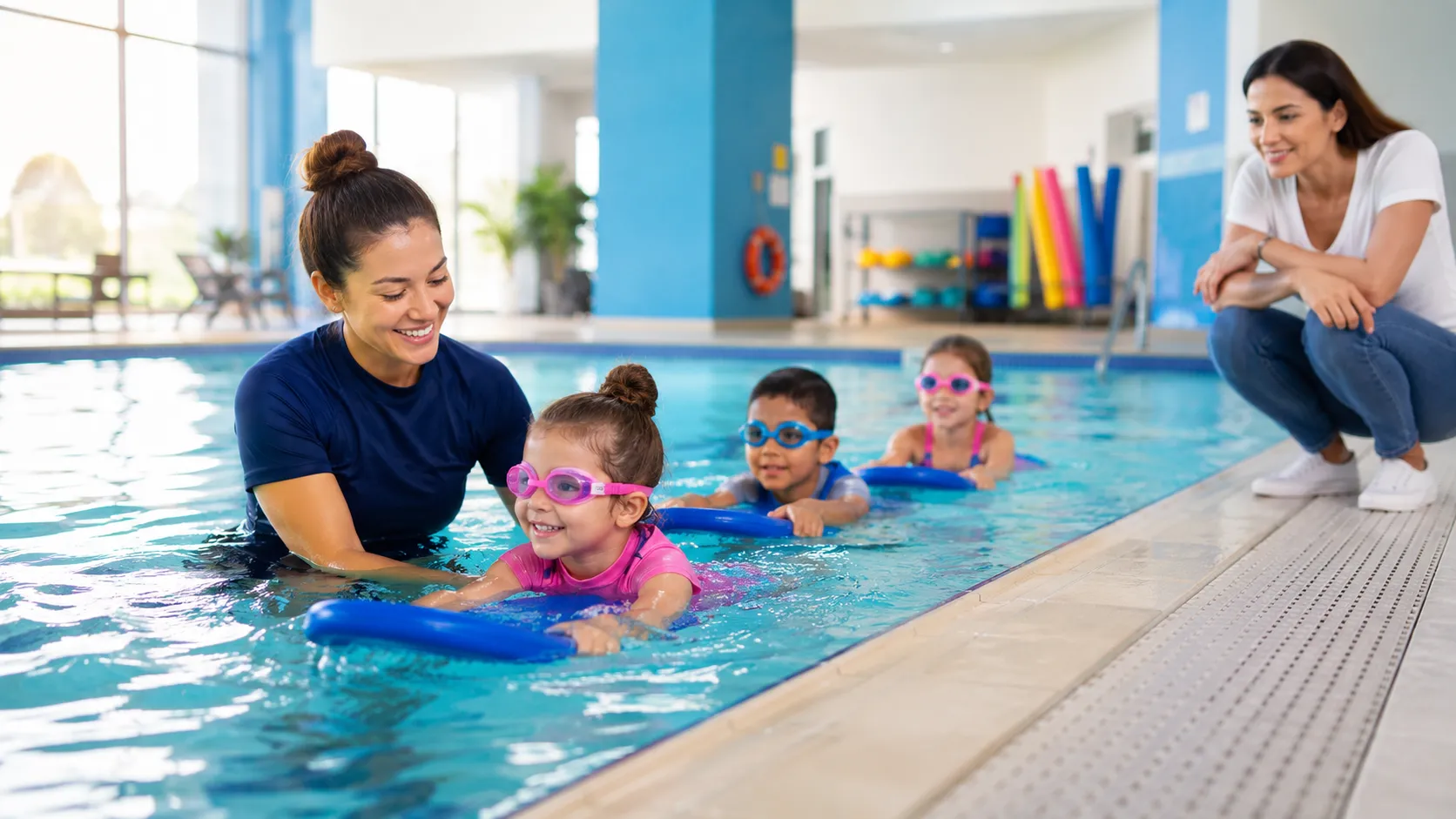
A good swimming program should do more than teach a child how to kick or float. It should help children understand water safety, follow instructions, build trust with an instructor and learn skills in a structured order. Some children love water from the first day, while others need time to feel comfortable. Both situations are normal. The right lesson setting makes space for different personalities, learning speeds and confidence levels.
Start With Your Child’s Current Water Comfort
Before choosing a class, parents should honestly assess how their child feels around water. Does your child enjoy bath time, splash pads or shallow pools? Do they put their face in water willingly? Can they follow simple instructions in a group setting? Are they nervous when water gets near their eyes or ears?
These questions matter because age alone does not always decide the right swim level. Two children of the same age may need very different starting points. One may be ready to practice floating and kicking, while another may need basic water comfort first. A strong swim school will usually help families choose a class based on ability, comfort and safety—not just age.
For young children, the early goal is often confidence. They may learn how to enter and exit the water safely, blow bubbles, float with support, move their arms and legs and listen to an instructor. These simple skills create the foundation for stronger swimming later.
Understand the Difference Between Fun and Skill-Based Learning
Parents often want swimming lessons to be enjoyable and that is completely fair. Children learn better when they feel relaxed and engaged. However, fun should not replace structure. A quality swim class blends enjoyment with clear learning goals.
Look for programs that include water safety, breath control, floating, kicking, body position and gradual stroke development. Children should not just play in the water for the entire lesson. They should be guided through skills that match their level. Over time, those skills should become more independent.
This is where many parents misunderstand progress. A child may not learn full strokes in the first few classes, especially if they are new to water. Early progress may look like less fear, better listening, improved floating or stronger kicking. These are meaningful milestones.
Check Class Size Before Registering
Class size can make a big difference in how much attention your child receives. In a large group, a child may spend too much time waiting for their turn. Smaller classes usually allow instructors to notice details, correct movement and support nervous swimmers more effectively.
This does not mean group lessons are bad. Group lessons can help children learn social skills, follow routines and gain confidence around peers. But the group should be manageable. If your child is shy, anxious or easily distracted, a smaller group or private lesson may be a better fit.
Private lessons may also help children who need focused support, have specific goals or want faster correction. Group lessons may work well for children who are comfortable learning with others and can follow instructions without constant one-on-one attention.
Ask About Instructor Experience and Teaching Style
A swimming instructor should be patient, observant and able to explain skills in a child-friendly way. Technical knowledge matters, but communication matters just as much. Children need instructors who can encourage them without forcing them too quickly.
Parents should ask how instructors handle fear, hesitation or tears. A good instructor will not shame a child for being nervous. Instead, they will break skills into smaller steps and help the child feel safe. They will also understand when to challenge a swimmer and when to slow down.
For intermediate-level swimmers, teaching style becomes even more important. Children who already know basic skills may need help with stroke timing, breathing, endurance and body alignment. At this stage, small corrections can make a big difference.
Know What Skills Are Usually Taught by Age Group
Infants and toddlers usually begin with parent-supported water comfort. These classes often focus on songs, movement, floating support, safe entry and positive water experiences. The parent’s role is important because the child feels secure while getting used to the pool environment.
Preschool swimmers may start learning basic independence. They may practice blowing bubbles, front and back floats, kicking, gliding and safe movement in shallow water. The goal is not perfection but comfort and control.
School-age children can often handle more structured lessons. They may work on front crawl, back crawl, breathing, treading water, endurance and safety habits. As children progress, lessons should become more skill-specific.
Adults may join lessons for many reasons. Some never learned as children, while others want to improve technique, fitness or confidence. Adult swimming lessons Mississauga programs should be respectful, patient and practical because adult learners often need a different teaching approach from children.
Consider the Pool Environment
The pool environment can affect learning more than many parents expect. A warm indoor pool can help children feel comfortable, especially younger swimmers who may become distracted or tense in cold water. Clean facilities, safe deck areas, organized class flow and clear communication all create a better experience.
Parents should also consider location and schedule. A program may look great, but if the timing is stressful or the commute is too long, consistency may suffer. Swimming improvement depends heavily on regular attendance. Choosing a convenient Mississauga location makes it easier to stay committed.
This is one reason many families compare City Mississauga Swimming Lessons based on more than price. They look at pool comfort, instructor support, program structure, flexibility and how well the class fits their weekly routine.
Do Not Rush Level Advancement
Many parents naturally want their child to move up quickly. However, swimming is a skill where rushing can create gaps. A child may appear ready because they can move across the pool, but they may still need better breathing control, floating stability or endurance.
Level advancement should be based on skill readiness, not pressure. If a child moves up too soon, they may feel overwhelmed in the next class. This can reduce confidence and slow progress. A reliable swim program will keep advancement honest and skill-based.
Parents can support this by celebrating effort instead of only level completion. Confidence, safety awareness and consistency are just as important as badges or certificates.
Prepare Your Child Before the First Lesson
A smooth first lesson often starts at home. Talk to your child about what to expect. Explain that they will meet an instructor, listen carefully, try new skills and may not get everything right immediately. Keep the tone positive and calm.
Bring proper swimwear, goggles if allowed, a towel and any items required by the facility. Arrive early so your child does not feel rushed. Rushing can increase nervousness before class even begins.
Parents should also avoid comparing their child to others. Some children put their face in water on day one. Others need several classes. Both can become confident swimmers with the right support.
Stay Involved Without Interrupting the Learning Process
Parents play an important role, but children also need space to build trust with the instructor. Watching from the side is helpful, but giving too many instructions during class can confuse the child.
After class, ask simple questions: What did you practice today? What felt easy? What felt tricky? What did your instructor help you with? These questions help children reflect without pressure.
If you have concerns, speak with the instructor or coordinator outside lesson time. Good communication helps everyone stay aligned on goals, comfort level and progress.
Think About Long-Term Swimming Goals
Some families register only for basic safety. Others want their child to become a strong recreational swimmer. Some children may later move into advanced swimming, lifesaving skills or competitive pathways.
Your goal can guide your choice of class. If your child is a beginner, water comfort and safety should come first. If your child already swims independently, ask whether the program supports stroke refinement and endurance. If you are looking for adult swimming lessons Mississauga, consider whether your goal is fear reduction, fitness, technique or open-water confidence.
The best swimming path is not the same for every family. It should match the swimmer’s age, ability, personality and purpose.
Why Safety Should Always Come First
Swimming lessons reduce risk, but they do not replace supervision. Parents should still watch children closely around pools, lakes, splash pads and backyard water. A good lesson program teaches safety habits, but real safety also depends on adult awareness.
Children should learn rules such as asking permission before entering water, walking on the pool deck, listening to lifeguards, avoiding rough play and understanding personal limits. These lessons are just as important as stroke technique.
Strong swim education helps children respect water, not fear it. That balance is important. Fear can stop learning, but overconfidence can be dangerous. Good instruction builds confidence with responsibility.
When to Choose Buckler Aquatics
For families looking for structured swimming programs in Mississauga, Buckler Aquatics offers lessons for babies, toddlers, children and adults in a warm indoor pool setting. The focus is on confidence, safety, small-group attention and steady skill development.
Parents can choose programs based on age, ability and comfort level, including options for beginners and swimmers who want to improve. With patient instruction and year-round lessons, families can build swimming into their routine without waiting for summer.
Before registering for City Mississauga Swimming Lessons, take time to compare class size, instructor approach, pool environment, skill progression and your child’s readiness. The right program should help your child feel safe, supported, and proud of each small step forward. For Mississauga families who want guidance before choosing a swim class, Buckler Aquatics can help you find the right starting point.
Frequently Asked Questions
1. What age should my child start swimming lessons in Mississauga?
Many children can start water comfort classes as infants or toddlers with parent participation. Independent lessons usually depend on maturity, listening ability and comfort in water. The best starting age is different for every child, but early exposure can help build confidence and reduce fear.
2. How do I know which swim level is right for my child?
The right level depends on your child’s current skills, not only age. Consider whether they can float, kick, put their face in water, follow instructions and swim any distance independently. If unsure, ask for a level recommendation before registering.
3. Are group or private swimming lessons better for beginners?
Both can work. Group lessons are helpful for social learning and routine. Private lessons may be better for nervous beginners, children needing extra attention or swimmers with specific goals. The best choice depends on personality, comfort and learning style.
4. How long does it take for a child to learn swimming?
Progress depends on age, consistency, confidence and practice. Some children gain comfort quickly, while others need more time. Regular attendance, patient instruction and support outside lessons can help children improve steadily without pressure.
5. What should parents look for before registering for City Mississauga Swimming Lessons?
Parents should check class size, instructor experience, safety focus, pool environment, program structure, schedule convenience and how progress is measured. A good program should build water confidence, safety awareness and swimming skills step by step.



























Sign in to leave a comment.