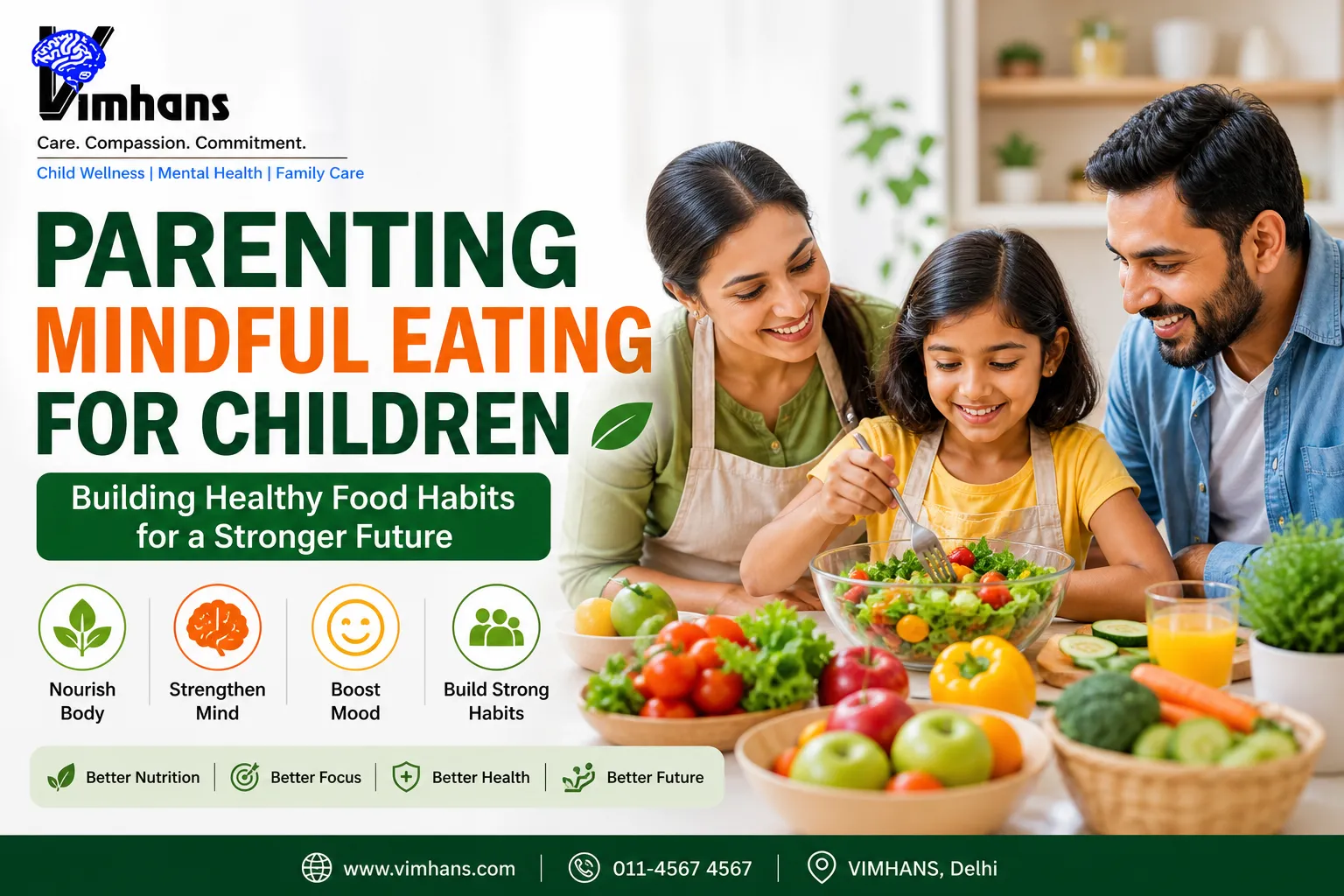

Building Healthy Food Habits for a Stronger Future
In today’s fast-paced world, families often juggle demanding careers, school schedules, and endless digital distractions. With both parents working, nuclear family structures increasing, and children spending more time on screens, quality family bonding time has reduced significantly. As a result, many children are not learning the importance of healthy eating habits for children and mindful food choices.
Meals have increasingly become rushed and distracted, often accompanied by televisions, smartphones, tablets, and social media. At the same time, packaged snacks, processed foods, frozen meals, and online food deliveries have made convenience more common than nutrition.
Childhood, however, is the most important stage for building lifelong habits. Proper nutrition not only supports physical growth but also plays a major role in emotional stability, cognitive development, and mental wellness. At VIMHANS, we believe mindful parenting starts with mindful eating.
Why Nutrition Matters in Childhood
Food Fuels Growth, Learning, and Emotional Well-Being
A balanced diet for children is essential because it helps:
- Support healthy growth and development
- Strengthen the immune system
- Improve brain function and memory
- Increase concentration and academic performance
- Regulate mood and behavior
- Build strong bones and muscles
Nutrients such as B vitamins, magnesium, zinc, iron, and omega-3 fatty acids are especially important because they support brain health, hormone balance, and emotional regulation.
Healthy eating habits developed early in life can also reduce the risk of obesity, diabetes, and heart disease later in adulthood.
Parenting Beyond Dieting
Teaching Children to See Food as a Life Skill
Parents should help children understand that food is not only about eating or dieting—it is a meaningful part of everyday life. Both boys and girls should be taught:
- Basic nutrition
- Meal planning
- Healthy cooking methods
- Kitchen safety
- Food responsibility
Teaching these habits early creates a strong foundation for lifelong independence and wellness.
At VIMHANS Child Wellness, we encourage parents to involve children in food-related activities from a young age.
Food as a Positive Tool
Developing Skills Through the Five Senses
Food is one of the few daily activities that naturally engages all five senses:
- Taste
- Smell
- Sight
- Touch
- Hearing
When children actively participate in food preparation, it can stimulate positive emotions and release feel-good hormones such as serotonin and dopamine.
Cooking should never be a gender-based responsibility. Boys and girls alike should learn healthy meal preparation and household skills.
Benefits of Involving Children in Cooking
- Builds confidence
- Encourages independence
- Develops responsibility
- Improves decision-making
- Promotes healthier choices later in life
Food as Art
Bringing Color and Creativity to Meals
Food comes in beautiful colors, textures, and shapes. Encourage children to see meals as enjoyable, creative, and exciting.
A colorful “rainbow plate” filled with fruits and vegetables provides:
- Essential vitamins and minerals
- Antioxidants
- Healthy carbohydrates
- Protein and fiber
These nutrients help protect children from illness while also supporting emotional well-being.
Food as Culture and Tradition
Connecting Children to Their Roots
Food is much more than nutrition—it reflects family traditions, identity, and values. Parents should regularly introduce children to traditional meals and cultural foods.
South Indian Meal Ideas
- Idli
- Dosa
- Vada
- Sambhar
North Indian Meal Ideas
- Paratha
- Chole
- Sarson ka Saag
Traditional meals often provide better nourishment than fad diets or processed foods. Teaching children about festive foods and family recipes helps build pride in their heritage.
Family celebrations and shared meals can also reduce picky eating habits and create positive memories.
Food as Memories
Creating Emotional Bonds Through Family Meals
Food often becomes one of the strongest childhood memories. Children remember festive cooking, family dinners, kitchen aromas, and joyful conversations around the dining table.
They observe adults while:
- Chopping vegetables
- Cooking meals
- Garnishing dishes
- Setting the table
- Serving food combinations
These experiences shape their long-term relationship with food.
When parents model healthy eating and share meals together, children are more likely to develop a positive connection with food.
Takeaway Tips for Balanced Parenting
Practical Ways to Raise Mindful Eaters
1. Promote Positive Eating Habits
Healthy meals improve memory, concentration, and academic performance.
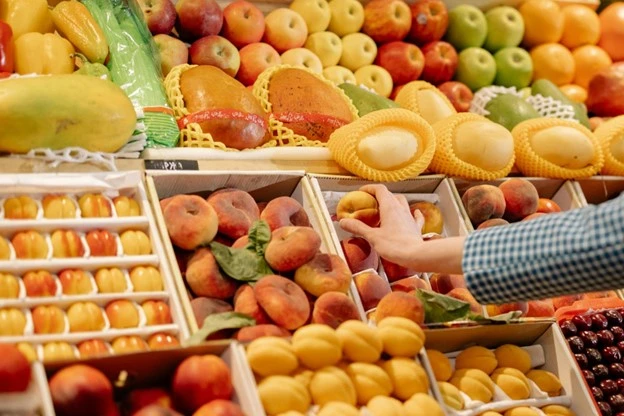
2. Involve Children in Grocery Shopping
Let them help choose fruits, vegetables, and healthy foods.
3. Include Them in Cooking
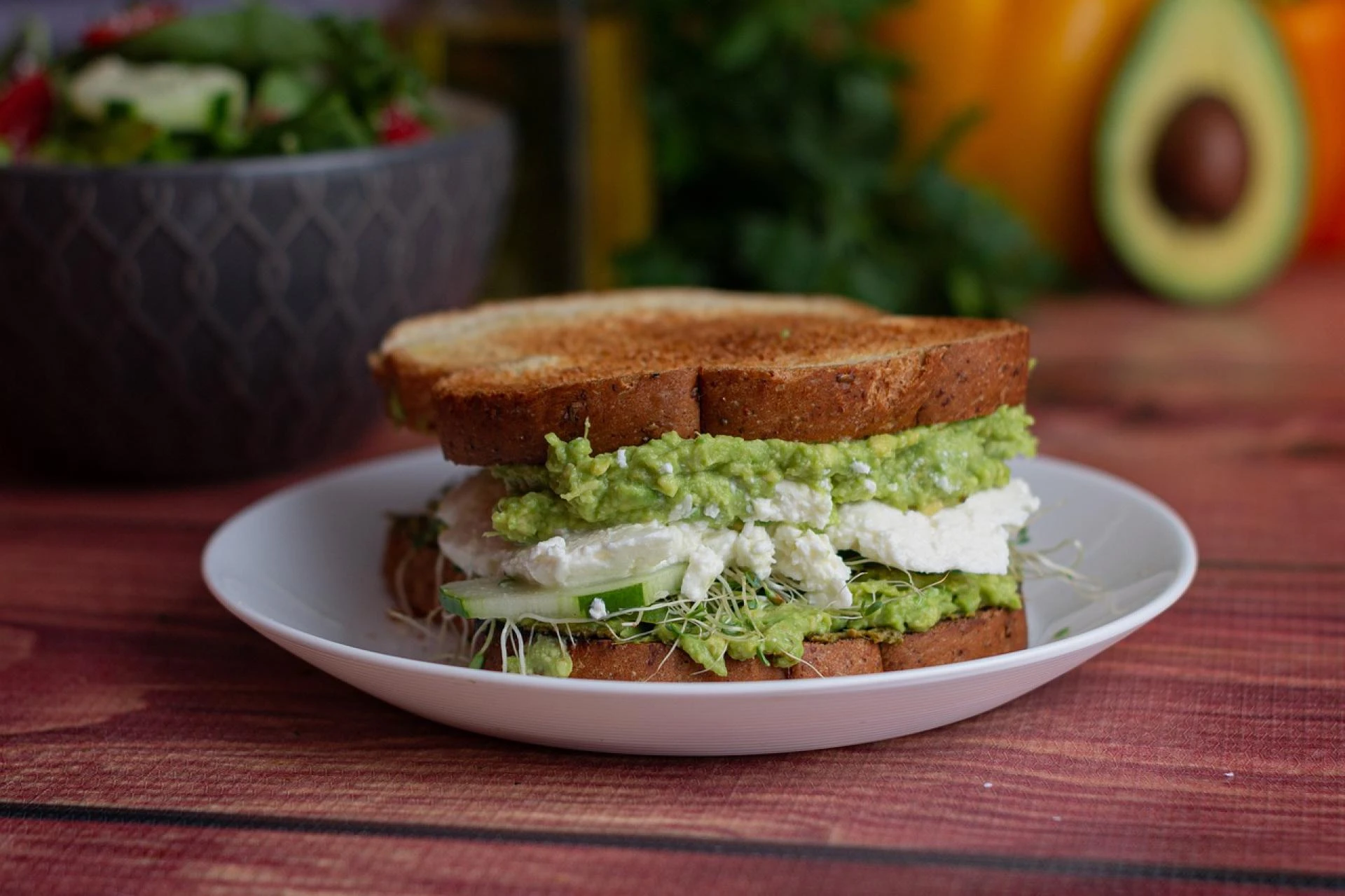
Allow children to prepare salads, sandwiches, raita, or garnish meals.
4. Teach Basic Nutrition
Explain carbohydrates, proteins, fats, vitamins, minerals, and water.
5. Respect Food
Teach children where food comes from—from farmers to the dining table. Encourage no food wastage.
6. Be a Role Model
Children learn more from what parents do than what parents say.
7. Avoid Force Feeding
Respect appetite differences and never compare one child’s eating habits with another’s.
8. Offer Healthy Snacks
Choose:
- Fruits
- Nuts
- Yogurt
- Sprouts
- Homemade snacks
9. Replace Sugary Drinks
Offer healthier drinks such as:
- Coconut water
- Buttermilk
- Lassi
- Lemon water
- Fruit shakes
10. Pack Smart Tiffins
Include variety, reasonable portions, and finger foods children enjoy.
11. Limit Processed Foods
Reduce foods high in preservatives, chemicals, excess sugar, and artificial colors.
12. No Screens During Meals
Avoid mobiles, tablets, laptops, and TV during mealtime. Instead, encourage conversation or calming music.
Final Thoughts
Raising Healthy Eaters Starts at Home
Mindful eating begins with parenting. When children learn to appreciate food as nourishment, creativity, culture, and connection, they develop healthier habits for life.
The goal is not perfection—it is awareness, balance, and consistency.
By making meals joyful and meaningful, parents can raise children who grow stronger physically, mentally, and emotionally.
For expert guidance in child wellness, parenting support, and emotional development, connect with VIMHANS.




























Sign in to leave a comment.