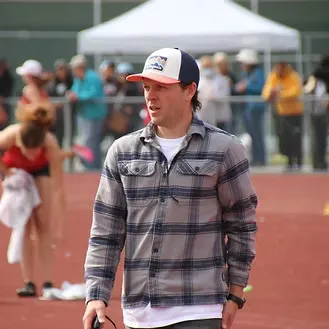

I've had the chance to build or rebuild distance programs at a handful of schools now, Traip Academy, the University of Southern Maine, Williams College, Long Beach State, and most recently Harvard. Every one of those situations started a little differently. Some had a foundation to work with. Others, I was pretty much starting from zero. What I've learned across all of them is that building a program isn't really about finding the fastest kids in a region and hoping it works out. It's slower and less exciting than that, honestly.
Where a Program Actually Starts
When I stepped into Traip Academy right out of college, there wasn't a distance program in any real sense of the word. There was a team, a schedule, and not much else. I spent that first year mostly listening. Watching how kids trained on their own, figuring out who actually wanted to be pushed and who needed a different kind of support entirely.
That first year taught me something I still lean on. You can't build a program around one or two standout athletes. It falls apart the moment they graduate. A program that lasts is built around a culture, something that survives the roster turning over every four years.
That philosophy has stayed with me throughout my career and continues to shape how I coach today, both on the track and through my work with athletes featured on Life Coach Locator
What I Actually Look For in a Runner
This surprises people sometimes. I'm not chasing the fastest mile time on a resume. I've coached plenty of athletes who weren't the quickest kid at their old school but ended up being the backbone of a team. A few things I pay closer attention to than raw speed.
- How someone responds after a bad workout. Do they sulk, or do they show up the next day ready to go again.
- Whether they're coachable. Not everyone is, and that's fine, but it matters a lot when you're trying to build something together over four years.
- How they treat teammates who are slower than them. This tells you almost everything about whether they'll help a program or just help themselves.
- Consistency over the off season, even when nobody's checking in on them.
Speed can be developed. I've seen it happen more times than I can count. The habits underneath it are a lot harder to teach later on.
The Long Middle Part Nobody Talks About
Every program I've worked with goes through a stretch where progress is genuinely hard to see. You're two or three years into rebuilding something, results are inconsistent, and it would be easy to start chasing shortcuts. This is usually where programs either take root or fall apart.
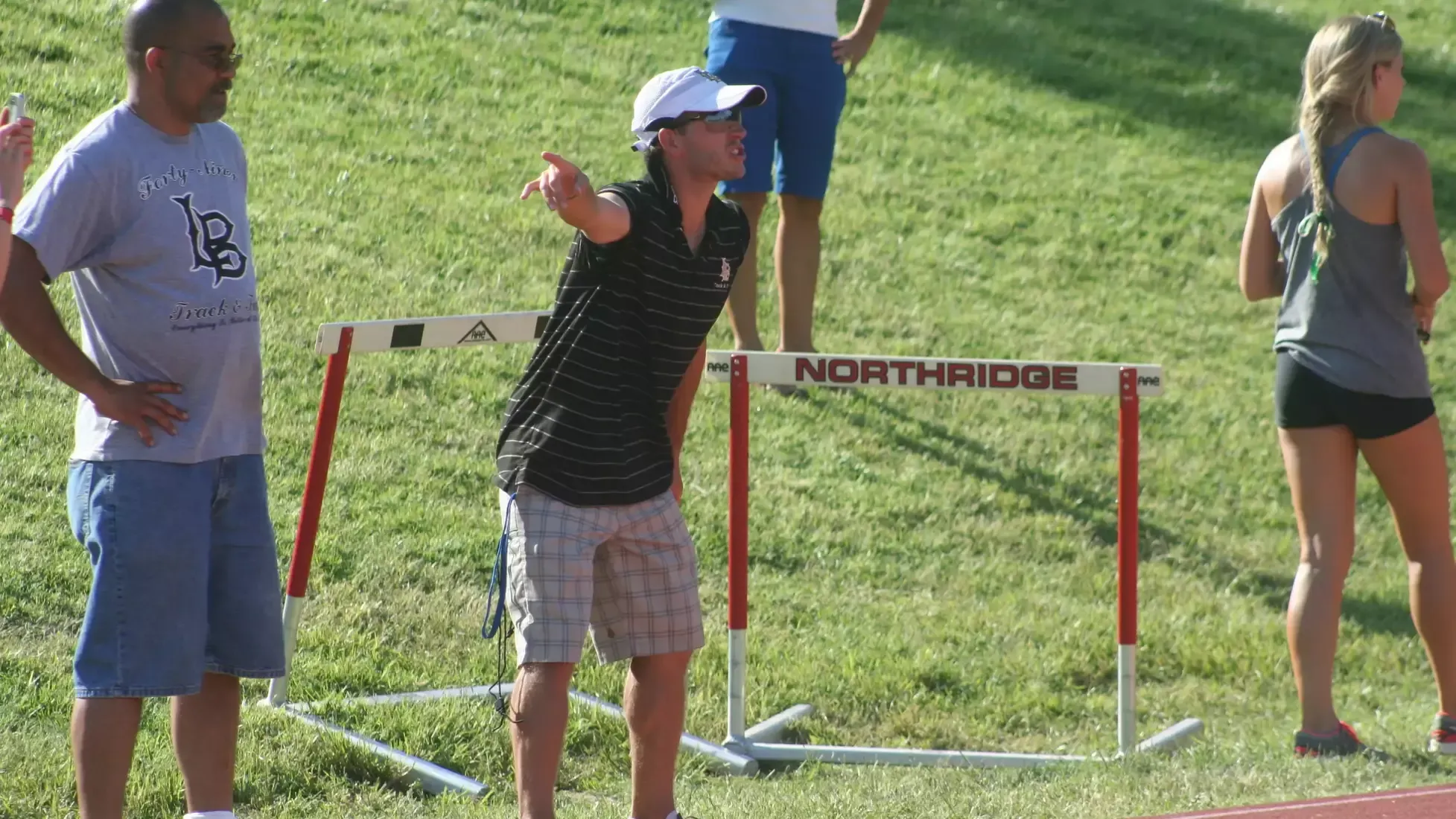
At Long Beach State, this stretch lasted longer than I expected, and I'll admit there were weeks I wondered if the approach was even working. It was. It just took longer than a highlight reel would suggest. By the time athletes started running personal bests consistently, the culture had already been built for a couple of years. The times were just catching up to the work.
I bring this up because I think a lot of programs, and honestly a lot of coaches, give up on an approach too early because the results aren't immediate. Distance running rewards patience in a way a lot of other sports don't.
That same long-term mindset continues to guide how I mentor athletes today, and my coaching background is also reflected in my coaching profile on FieldLevel, where athletes and coaches can learn more about my experience and philosophy.
Recruiting Is Only Half the Job
A good recruiting class matters, sure. But I've come to believe that what happens after someone joins a program matters more. Development, training environment, how athletes are coached day to day, whether they feel like they belong somewhere. I've worked with athletes who were recruited by bigger names elsewhere and ended up somewhere less flashy on paper, and thrived, because the day to day environment fit them better.
This is part of why I care as much about the culture of a training group as I do about any individual athlete's times. A strong environment tends to lift everyone in it, including the runners who joined without much fanfare.
Why I Still Do This
At this point in my career, I could probably coach on reputation alone and coast a little. I don't want to. Every program I've built has taught me something the last one didn't, and Harvard has been no exception. I still get the same feeling watching a runner who struggled early on finally put together a race that reflects the work they've done, as I did back at Traip Academy all those years ago.
If you're building something of your own—a team, a business, or a habit that hasn't clicked yet—I'd say the same thing I tell my athletes. The middle stretch, where nothing seems to be happening, is usually where the real work gets done. I'll keep sharing more of what I've learned throughout my coaching journey here. Thank you for reading, and I hope the experiences and lessons shared by Patrick Wales Dinan help you stay patient, keep improving, and trust the process.























Sign in to leave a comment.