

Good sleep rarely comes down to just one product. For many families, especially those with children who are sensitive to touch, sound, or light, bedtime improves most when several small elements work together rather than relying on a single fix. A supportive pillow, calming bedding, soft lighting, and a quiet environment all play their own role in helping a child feel secure enough to settle and stay asleep.
In this guide, we'll walk through how to build a complete sensory sleep setup, piece by piece, and why each element matters just as much as the next.
Why a "One Product" Approach Rarely Works
It's tempting to look for a single solution, one blanket, one pillow, or one lamp, that will fix bedtime struggles overnight. In reality, sleep is influenced by multiple senses at once: touch, sound, temperature, and light all interact to either calm a child's nervous system or keep it on alert. A child might have the perfect blanket but still struggle to settle if the room is too bright or feel secure under weighted bedding but still wake from an uncomfortable pillow.
This is why a broader, routine-based approach, addressing pillow support, bedding, and lighting together, tends to produce more consistent results than chasing one standout product.

Start With the Right Pillow Support
Pillow support is often overlooked, yet it directly affects how comfortable a child feels through the night. A pillow that's too flat, too firm, or unevenly filled can lead to a stiff neck, frequent repositioning, or general discomfort that disrupts sleep without an obvious cause.
Why Memory Foam Makes a Difference
A kids memory foam pillow contours gently to the shape of a child's head and neck, offering more even, consistent support than standard filled pillows. Instead of shifting or flattening unevenly through the night, memory foam maintains its shape, which can reduce the tossing and turning that comes from constantly searching for a comfortable position. For children who are sensitive to texture or pressure, this kind of steady, predictable support can also feel more calming than a pillow that moves and lumps unpredictably.
Layer in Calming, Sensory-Friendly Bedding
Once pillow support is sorted, bedding is the next piece of the puzzle. This includes not just sheets and blankets, but the overall feel of the sleep surface, textures, weight, and breathability as well.
The Role of Sensory Bedding
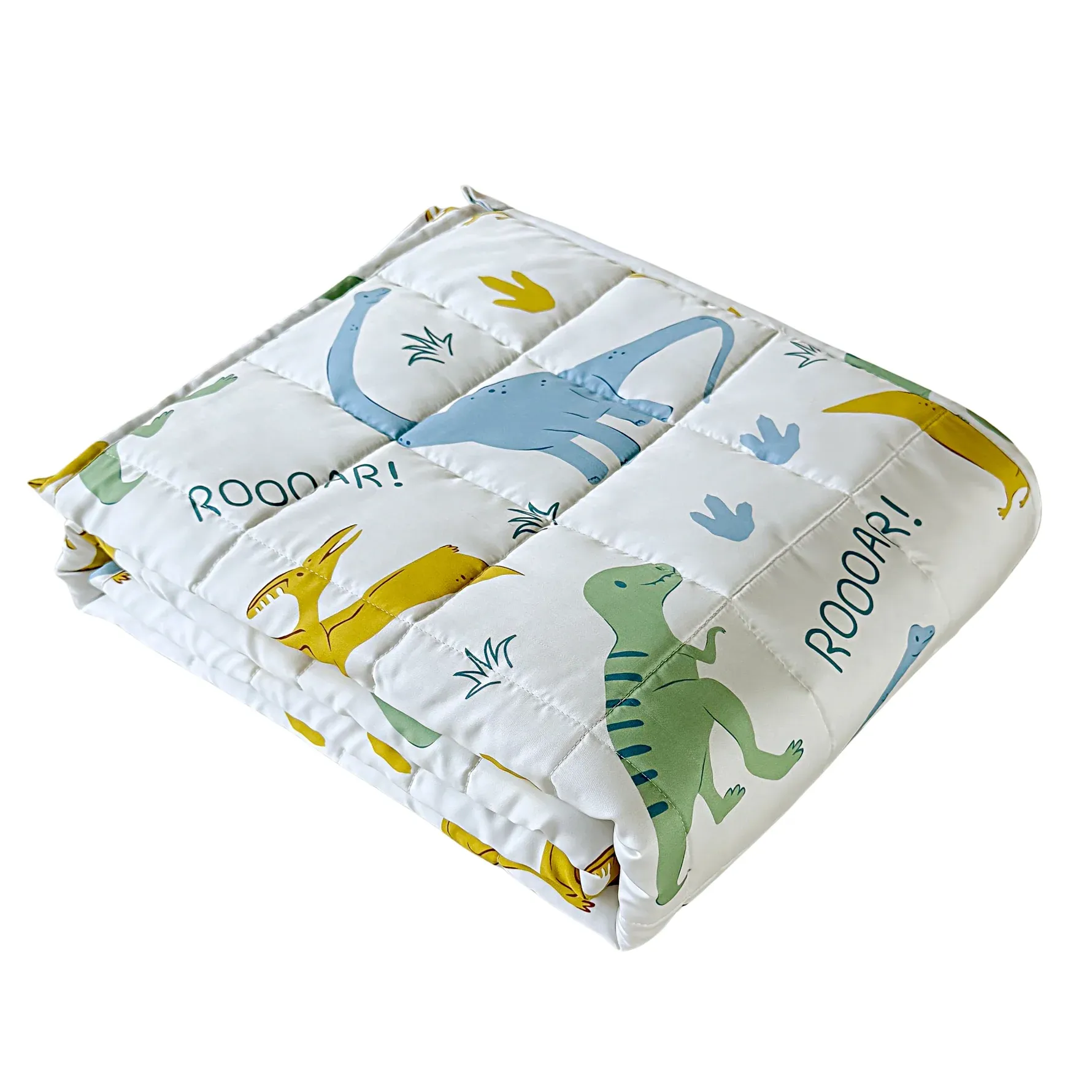
Sensory bedding Australia has become an increasingly common search for parents looking beyond standard sheets and doonas. Sensory bedding typically includes soft, breathable materials and gentle, even-pressure items designed to help a child's nervous system settle. For children who feel most secure with a bit of gentle, consistent pressure, or who simply sleep more soundly on breathable, temperature-regulating fabric, this kind of bedding often makes a noticeable difference compared to standard bedroom basics.
Combined with proper pillow support, sensory bedding forms the foundation of a comfortable, calming sleep surface.
Don't Overlook the Sensory Environment
Beyond what a child is lying on, the environment around them matters just as much. Two of the most common environmental disruptors are noise and light.
Managing Noise Sensitivity
Household sounds, footsteps, traffic, or a sibling still awake in another room can be enough to disturb a light sleeper or trigger anxiety in a child who's easily overstimulated. Reducing unpredictable noise, through consistent white noise or gentle sound-blocking solutions, can help create a steadier, more settled environment for sleep.
Getting the Lighting Right
Bright or harsh lighting late in the evening can interfere with the body's natural wind-down process, while soft, warm-toned lighting supports the transition into sleep. A dim, adjustable light source in the bedroom gives just enough visibility for comfort without overstimulating a child's senses right before bed.
Putting It All Together
When pillow support, bedding, and a calm sensory environment are addressed together, rather than in isolation, bedtime tends to become noticeably smoother. A child who feels physically comfortable, wrapped in breathable, calming bedding, and settled by a quiet, softly lit room is far more likely to fall asleep easily and stay asleep through the night.
Building this kind of setup doesn't need to happen all at once. Many parents start with one element, often pillow support or bedding, and gradually add others as they notice what makes the biggest difference for their child.
Conclusion
A restful night's sleep is rarely the result of a single product. It's the combination of proper pillow support, calming sensory bedding, and a quiet, softly lit environment that helps a child's body and mind fully wind down. By addressing each of these areas together, parents can create a bedtime routine that supports genuine, lasting improvements in sleep quality, rather than a quick fix that only solves part of the problem.
FAQs
Q: Do I need to change everything at once to see a difference?
A: No. Most parents find it easier to start with one area, such as pillow support or bedding, and build from there based on their child's response.
Q: Is sensory bedding only for children with sensory processing needs?
A: While especially helpful for sensory-sensitive children, many kids sleep better with breathable, gentle-pressure bedding regardless of any diagnosis.
Q: How do I know if my child's pillow needs replacing?
A: Signs include a flat or lumpy feel, frequent repositioning during the night, or waking with neck discomfort.
Q: Does lighting really make a noticeable difference to sleep quality?
A: Yes. Soft, warm lighting supports the body's natural wind-down process, while bright or harsh light can delay it.






























Sign in to leave a comment.