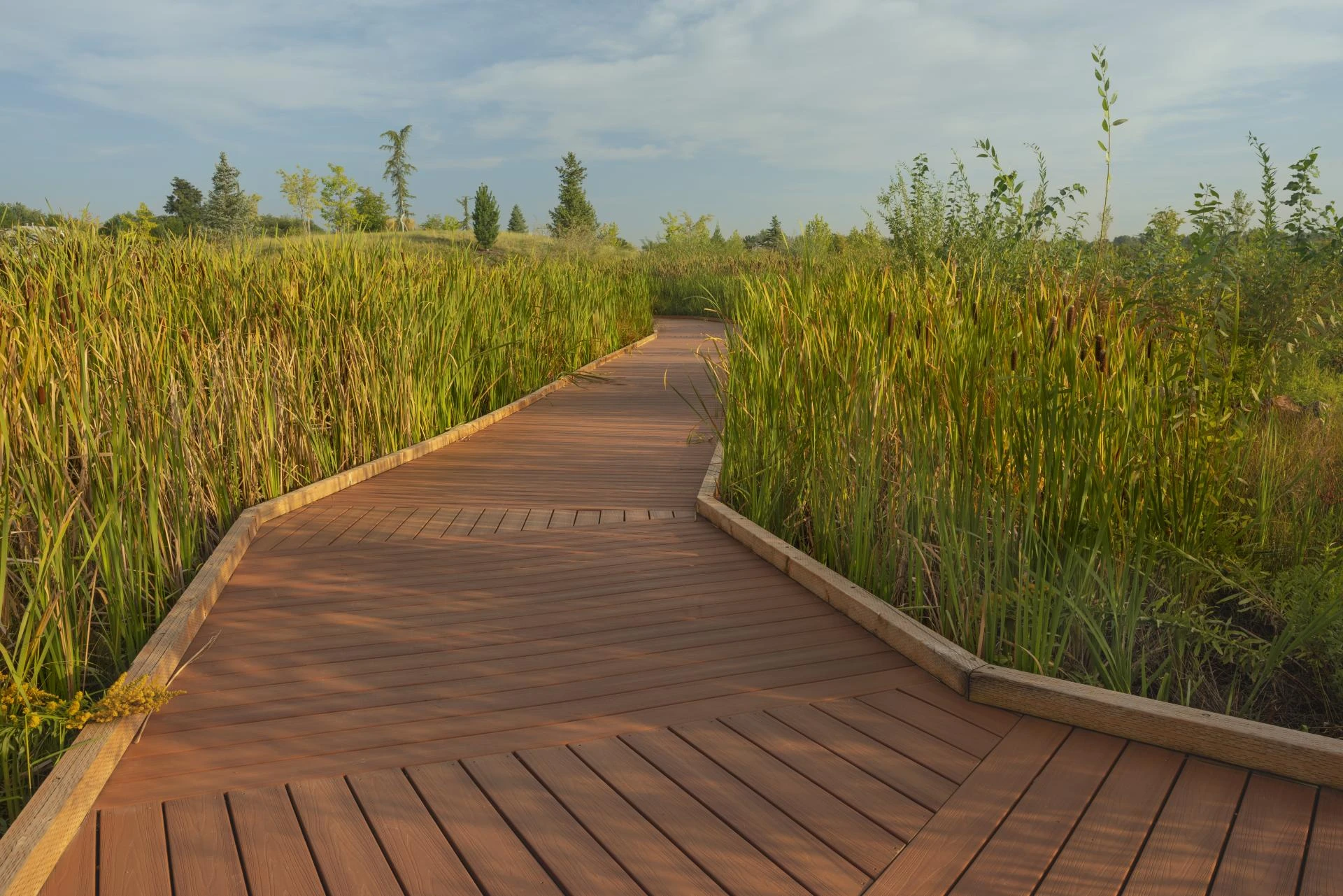

As an eco-friendly and fashionable substitute for conventional materials like concrete, asphalt, and stone, paving wood has been popular recently. Wooden pavers, which were formerly thought of as unusual, are becoming more and more common in landscaping projects for homes and businesses. They provide sustainability, durability, and aesthetic appeal all in one when installed correctly and with the appropriate kind of wood.
What is Paving Wood?
Small blocks or panels of carefully chosen hardwood used to build outdoor surfaces including patios, walkways, driveways, and terraces are referred to as paving wood. These wooden pavers have a natural appearance that mixes in perfectly with the surroundings and are made to withstand outdoor situations.
In the early 1900s, wood was used to pave streets because it made horse-drawn vehicles less noisy. But poor wood choices caused deterioration, and concrete and other materials took over. Paving wood is once again in the forefront as a dependable and long-lasting choice thanks to developments in materials, particularly hardwoods like Black Locust.

Why Choose Wood for Outdoor Paving?
Paving wood is becoming more and more popular among architects and homeowners because to its environmental advantages. Wood has a much smaller carbon footprint than concrete or asphalt because it is a renewable resource and requires less energy to process.
Wood also naturally lowers heat. In hot weather, outdoor spaces become uncomfortable due to the tendency of traditional pavement materials to absorb and retain heat. Conversely, wooden pavers stay cooler and help lessen the impact of the urban heat island.
Permeability is an additional benefit. Wooden pavers assist avoid water buildup and flooding by allowing water to seep through the surface and into the ground below. Because of this, paving wood is a great option for environmentally friendly landscape design.
The Best Wood for Paving
Not every type of wood may be used for outdoor paving. The secret is to choose a hardwood that is strong, long-lasting, and naturally resistant to decay. Because of its remarkable qualities, black locust is regarded as one of the best choices.
This hardwood has a 50-year lifespan, is naturally resistant to rot and fungus, and doesn't need to be preserved with chemicals.
Additionally, it has remarkable strength, even outperforming some conventional paving materials in terms of compressive resistance.
Your pavement wood installation will be sturdy, secure, and aesthetically pleasing for decades if you use the proper wood.
Applications of Paving Wood
Wooden pavers are extremely adaptable and can be utilised in many outdoor applications, such as:
Garden walks and walkways
Terraces and patios
Driveways
Urban green areas and tree surrounds
Their modular architecture gives designers and homeowners the freedom to create distinctive outdoor aesthetics through imaginative patterns and configurations.
Furthermore, by adding warmth and texture that synthetic materials just cannot match, paving wood improves the entire appearance of outdoor areas.
Installation and Maintenance
The ease of installation of paving wood is one of its main benefits. In order to facilitate quick and effective setup, many contemporary systems use modular panels or blocks fastened to a mesh backing. For stability, these panels can be arranged side by side and fastened with joint fillers.
There is also little upkeep. Superior hardwoods, including as Black Locust, don't require paints, stains, or sealants since they are inherently resistant to decay and insects. To keep them looking good, regular sweeping and sporadic cleaning are usually sufficient.
Furthermore, if a part is broken, it may be replaced separately without affecting the entire surface, making repairs convenient and affordable.
Aesthetic and Environmental Benefits
Paving wood gives unparalleled aesthetic appeal in addition to utility. Over time, its inherent tones change, frequently acquiring a stunning silver-gray patina that accentuates its personality.
Wooden pavers promote environmentally friendly building methods. They are biodegradable, use less energy to make, and improve water drainage and lower surface temperatures to support better urban ecosystems.
Conclusion
Paving wood is a useful, eco-friendly, and aesthetically pleasing option for contemporary outdoor spaces, not just a fad. Wooden pavers can perform better than conventional solutions and have a distinctive natural appeal if the right material and installation are used. Paving wood is expected to become a key component of landscape architecture in the future as more homeowners and designers prioritise eco-friendly options.
ABOUT BRAND
At Black Locust Lumber, we are committed to delivering high-quality, sustainable wood solutions for modern outdoor living. Our innovative wooden paver systems combine durability, performance, and environmental responsibility. With decades of expertise in hardwood products, we help homeowners, architects, and designers create outdoor spaces that are both beautiful and built to last.





























Sign in to leave a comment.