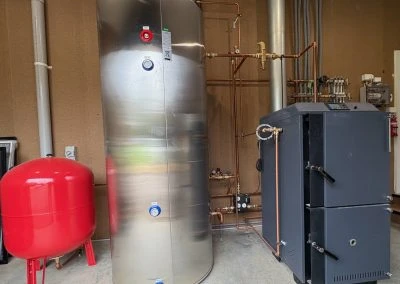

Rising energy prices and growing environmental concerns have prompted homeowners and facility managers to rethink traditional heating systems. Across residential and light-commercial spaces, attention is shifting toward renewable, efficient, and cost-stable solutions that can deliver reliable warmth without excessive environmental impact. Among the alternatives gaining steady recognition are biomass-based heating systems that utilize compressed organic fuel, offering a balance between performance and sustainability.
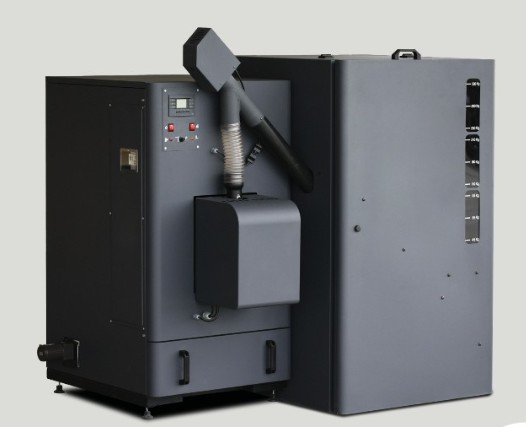
This article explores how modern pellet-based heating systems function, why they are considered economical over the long term, and how they compare with other biomass options used in hydronic heating setups.
Understanding Pellet-Based Heating Systems
A pellet-based heating system operates by burning small, compressed pellets made from renewable materials such as sawdust, agricultural waste, or wood by-products. These pellets are manufactured to consistent sizes and moisture levels, allowing for controlled combustion and high thermal efficiency.
A Pellet Boiler is typically integrated with a central heating system, distributing heat through radiators or underfloor piping using water as the heat transfer medium. Automated fuel feeding, temperature regulation, and ash removal systems make these boilers far more user-friendly than traditional solid-fuel heating methods.
Why Pellet Heating Is Considered Cost-Efficient
One of the key reasons pellet heating systems are gaining popularity is their ability to reduce long-term heating expenses. While the initial installation cost may be higher than conventional fossil-fuel boilers, operational costs tend to remain stable due to the predictable pricing of biomass fuel.
Pellets are often produced locally, minimizing transportation costs and reducing dependency on volatile global energy markets. Additionally, modern boilers are designed to maximize combustion efficiency, ensuring that a high percentage of the fuel’s energy is converted into usable heat rather than being lost as waste.
Environmental Benefits and Sustainability
From an environmental standpoint, pellet heating systems offer notable advantages. The fuel used is derived from renewable resources, and the carbon dioxide released during combustion is roughly equivalent to the amount absorbed by the source material during its growth cycle. This closed carbon loop positions pellet heating as a lower-emission alternative compared to oil or gas systems.
Moreover, efficient combustion technology significantly reduces particulate emissions, making these systems compliant with increasingly strict environmental regulations in many regions.
Integration with Hydronic Heating Systems
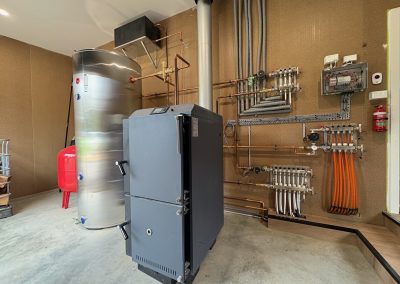
Pellet boilers are particularly effective when paired with hydronic heating networks. Water-based heat distribution allows for even temperature control across large spaces, enhancing comfort while optimizing energy use. In such setups, the system can be combined with buffer tanks to store excess heat, reducing the frequency of fuel consumption cycles.
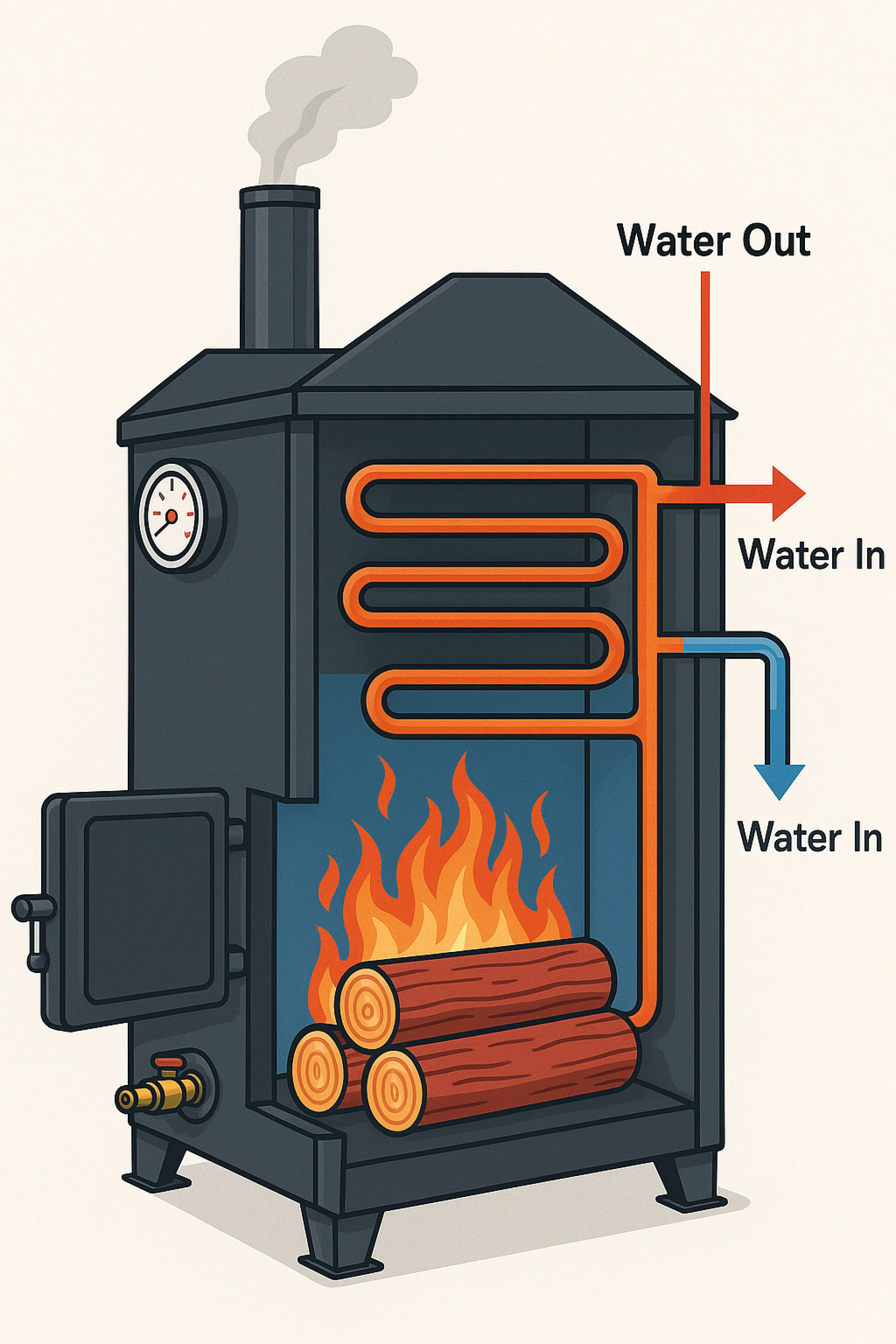
In comparison, a hydronic wood heater operates on a similar principle but often relies on manually loaded firewood rather than automated pellet feeding. While both systems utilize biomass fuel, pellet-based solutions typically offer greater convenience, consistent output, and easier temperature management.
Performance and Reliability in Cold Conditions
Consistency is a critical factor in heating system selection, especially in regions with prolonged cold seasons. Pellet boilers are engineered to deliver steady heat output regardless of external temperature fluctuations. Advanced control systems adjust fuel input and airflow automatically, ensuring optimal performance without constant user intervention.
This reliability makes pellet systems suitable not only for homes but also for schools, workshops, and small commercial buildings where uninterrupted heating is essential.
Maintenance and Operational Considerations
Maintenance requirements for pellet boilers are generally straightforward. Regular tasks include emptying ash containers, inspecting burners, and scheduling periodic professional servicing. Because pellets burn efficiently, ash production is minimal compared to traditional wood-burning systems.
Fuel storage should be planned carefully, with dry, ventilated spaces ensuring pellet quality is maintained. Automated feeding systems further reduce daily operational involvement, making pellet heating a practical option for users seeking low-maintenance solutions.
Comparing Biomass Heating Options
When evaluating biomass-based heating, it is important to consider factors such as fuel availability, space requirements, and user involvement. Pellet systems excel in automation and efficiency, while other biomass solutions may appeal to users who prefer hands-on operation or have access to low-cost hydronic wood heater.
Both options support renewable energy goals, but pellet boilers are often favored in modern installations where consistency, cleanliness, and integration with smart heating controls are priorities.
Conclusion
Pellet-based heating systems represent a practical response to the dual challenges of rising energy costs and environmental responsibility. By combining renewable fuel sources with advanced combustion and control technology, they provide reliable, efficient, and future-ready heating for a wide range of applications. For those seeking a balance between sustainability, performance, and long-term cost stability, pellet heating continues to stand out as a compelling solution in the evolving landscape of modern heating systems.




























Sign in to leave a comment.