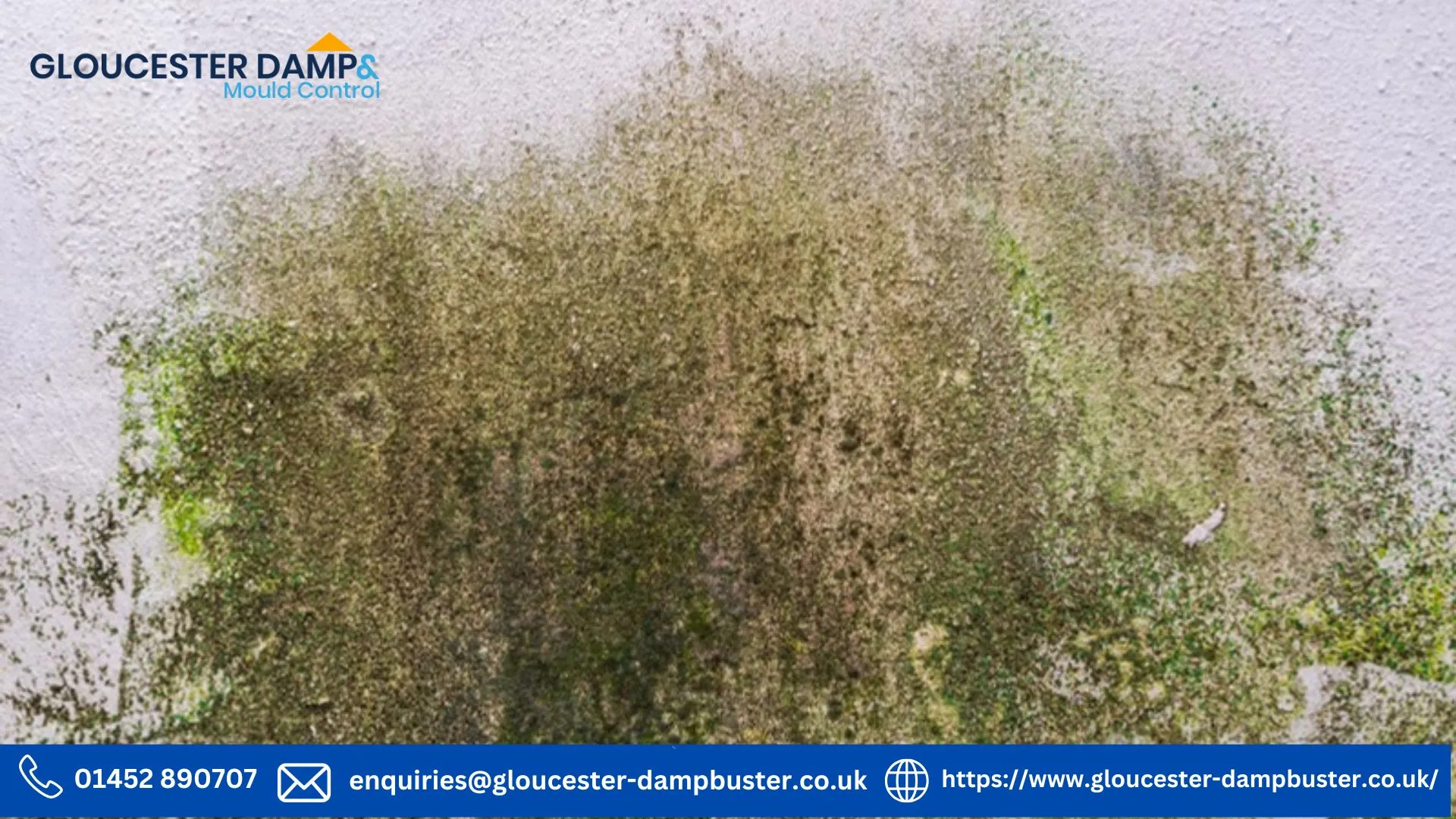

Penetrating damp is one of the most common moisture-related issues affecting residential and commercial property across Gloucester. Unlike rising damp, which travels upwards from the ground, or condensation, which forms from excess indoor humidity, penetrating damp occurs when water ingress passes through defects in a building's exterior. Heavy rainfall, ageing brickwork, damaged render, faulty flashing, and blocked gutters can all allow moisture to enter external walls, leading to dampness inside the building.
Gloucester's changing weather, frequent rain, and many traditional brick and stone properties make local homes particularly vulnerable to penetrating damp Gloucester problems. If left untreated, moisture penetration can damage masonry, internal plaster, structural timber, and decorative finishes while encouraging mould growth and timber decay. Understanding the causes, warning signs, professional diagnosis, and effective damp treatment options allows property owners to protect their investment and avoid expensive structural repairs. This guide explains everything Gloucester homeowners need to know about preventing and treating penetrating damp.
What Is Penetrating Damp and How Does It Affect Properties in Gloucester?
Understanding how penetrating damp develops is the first step towards protecting your property. Unlike other forms of dampness, it usually originates from faults within the building envelope rather than rising ground moisture or poor indoor ventilation.
How Is Penetrating Damp Different from Rising Damp and Condensation?
Penetrating damp develops when water ingress enters through weaknesses in the building's exterior. Rainwater can pass through damaged brickwork, cracked render, defective pointing, faulty window seals, worn sealant, or missing roof tiles, allowing moisture through walls and ceilings.
By comparison:
- Rising damp occurs when groundwater travels upwards through walls because of a failed or damaged Damp Proof Course (DPC).
- Condensation forms when warm indoor air meets cold surfaces due to inadequate ventilation and excess humidity.
Understanding these differences is essential because each damp problem requires a different damp proof treatment. Treating condensation will not stop rainwater penetrating walls, while installing a new DPC will not solve external building defects.
Once moisture enters the building fabric, it gradually affects internal walls, ceilings, internal plaster, and decorative finishes. Persistent moisture can weaken masonry walls, damage timber, and reduce the property's structural integrity if left untreated.
Why Are Gloucester Properties More Susceptible to Penetrating Damp?
Several local factors make Gloucester property owners more likely to experience penetrating damp.
Many homes throughout Gloucestershire, including areas such as Longlevens, Churchdown, Quedgeley, Abbeydale, Hucclecote, and Brockworth, feature traditional brick and stone construction. Older Victorian houses, Georgian properties, terraced houses, and listed buildings often have ageing mortar joints, weathered render, and porous masonry that become increasingly vulnerable over time.
The region also experiences:
- Heavy rainfall
- Wind-driven rain
- Seasonal storms
- Prolonged wet weather
- Fluctuating temperatures
These weather conditions place constant pressure on external walls, roofs, chimneys, and gutters and downpipes. When maintenance is neglected, even small defects allow rainwater penetration that develops into significant damp problems.
Regular property maintenance, building inspections, and preventative repairs are therefore essential for maintaining long-term protection against penetrating damp.
What Causes Penetrating Damp in Gloucester Homes?
Identifying the causes of penetrating damp helps homeowners resolve problems before they develop into costly structural damage. In most cases, moisture enters through defects that have gradually worsened over time.
Which External Building Defects Allow Water to Enter?
Many cases of penetrating damp begin with relatively minor defects that remain unnoticed until internal damage appears.
Common causes include:
- Damaged or porous brickwork
- Cracked external render
- Defective pointing between mortar joints
- Missing or damaged roof tiles
- Faulty flashing around chimneys
- Failed window seals
- Cracks around doors and windows
- Deteriorating fascias and soffits
- External wall cracks
- Damaged cladding
These defects create direct routes for water entering walls, particularly during periods of heavy rain. As moisture penetrates the building envelope, it spreads into internal walls, ceilings, floor joists, and skirting boards.
Without prompt repairs, prolonged moisture exposure may lead to:
- Damp patches
- Water stains
- Peeling paint
- Crumbling plaster
- Efflorescence (salt deposits)
- Wet walls
- Rotting timber
- Timber decay
Professional building preservation specialists often identify these problems during a comprehensive property damp inspection, allowing repairs before structural damage becomes extensive.
How Can Poor Drainage and Guttering Lead to Penetrating Damp?
Effective rainwater management is one of the most important defences against penetrating damp.
Unfortunately, blocked or damaged drainage systems frequently contribute to moisture penetration.
Common drainage-related problems include:
- Blocked gutters
- Overflowing gutters
- Defective gutter systems
- Broken downpipes
- Roof drainage issues
- Poor external drainage
- Blocked drainage
- High ground levels
- Leaking gutters
- Burst pipes
- Plumbing leaks
When rainwater cannot drain away efficiently, it continually saturates exterior walls and foundations. This repeated exposure allows moisture to pass through porous masonry, damaged mortar joints, or cracked render.
Routine building maintenance should include:
- Cleaning gutters regularly
- Inspecting downpipes
- Checking roof drainage
- Repairing cracked render
- Repointing brickwork
- Sealing external cracks
- Inspecting flashing around chimneys
- Maintaining waterproof exterior walls
These preventative measures help prevent water ingress, reduce moisture penetration, and provide long-term protection for residential and commercial properties throughout Gloucester.
How Can You Identify the Signs of Penetrating Damp Before It Becomes Severe?
Recognising the signs of penetrating damp early can help prevent costly repairs and protect your property's structural integrity. In many cases, the first symptoms appear gradually, making them easy to overlook. Regular inspections of both the interior and exterior of your home can reveal moisture-related issues before they become major problems. Whether you own a modern home, detached house, semi-detached house, terraced house, apartment, or listed building, early identification is essential for effective penetrating damp treatment.
What Are the Most Common Visible Signs Inside Your Property?
When water ingress enters through external walls, damaged brickwork, or faulty roof components, the effects soon become visible indoors. These warning signs often indicate that moisture is travelling through the building fabric.
Common indicators include:
- Damp patches on internal walls and ceilings
- Dark or discoloured water stains
- Peeling paint or flaking paint
- Blistering paint and bubbling wall finishes
- Peeling wallpaper
- Crumbling plaster or damaged internal plaster
- Wet walls that remain cold or damp to the touch
- White salt deposits (efflorescence) on masonry surfaces
- A persistent musty odour
- Noticeably cold walls during wet weather
These symptoms usually worsen following periods of heavy rainfall or wind-driven rain, particularly where roof leaks, cracked render, defective pointing, or failed window seals allow rainwater penetrating walls.
Ignoring these visible signs can result in increasing dampness, higher repair costs, and more extensive damage to the property's interior.
Which Hidden Problems Could Develop If Penetrating Damp Is Ignored?
Not all moisture damage is immediately visible. Behind walls, beneath floors, or within roof spaces, penetrating damp can silently affect critical structural components.
Hidden issues commonly include:
- Mould growth and mildew behind furniture or wallpaper
- Wet rot affecting structural timber
- Dry rot where moisture remains trapped for long periods
- Timber decay in floor joists, roof timbers, skirting boards, and floorboards
- Damage to the cavity wall insulation
- Corrosion of wall ties
- Weakening of the overall building envelope
As moisture continues to spread, the building becomes increasingly vulnerable to structural damage. Rotting timber may require extensive structural repairs, while mould can quickly spread throughout poorly ventilated areas.
Beyond the physical damage, persistent damp creates an uncomfortable living environment by increasing humidity, reducing insulation performance, and making rooms feel colder throughout the year. Addressing moisture issues promptly is therefore essential to protect your property and maintain a healthy indoor environment.
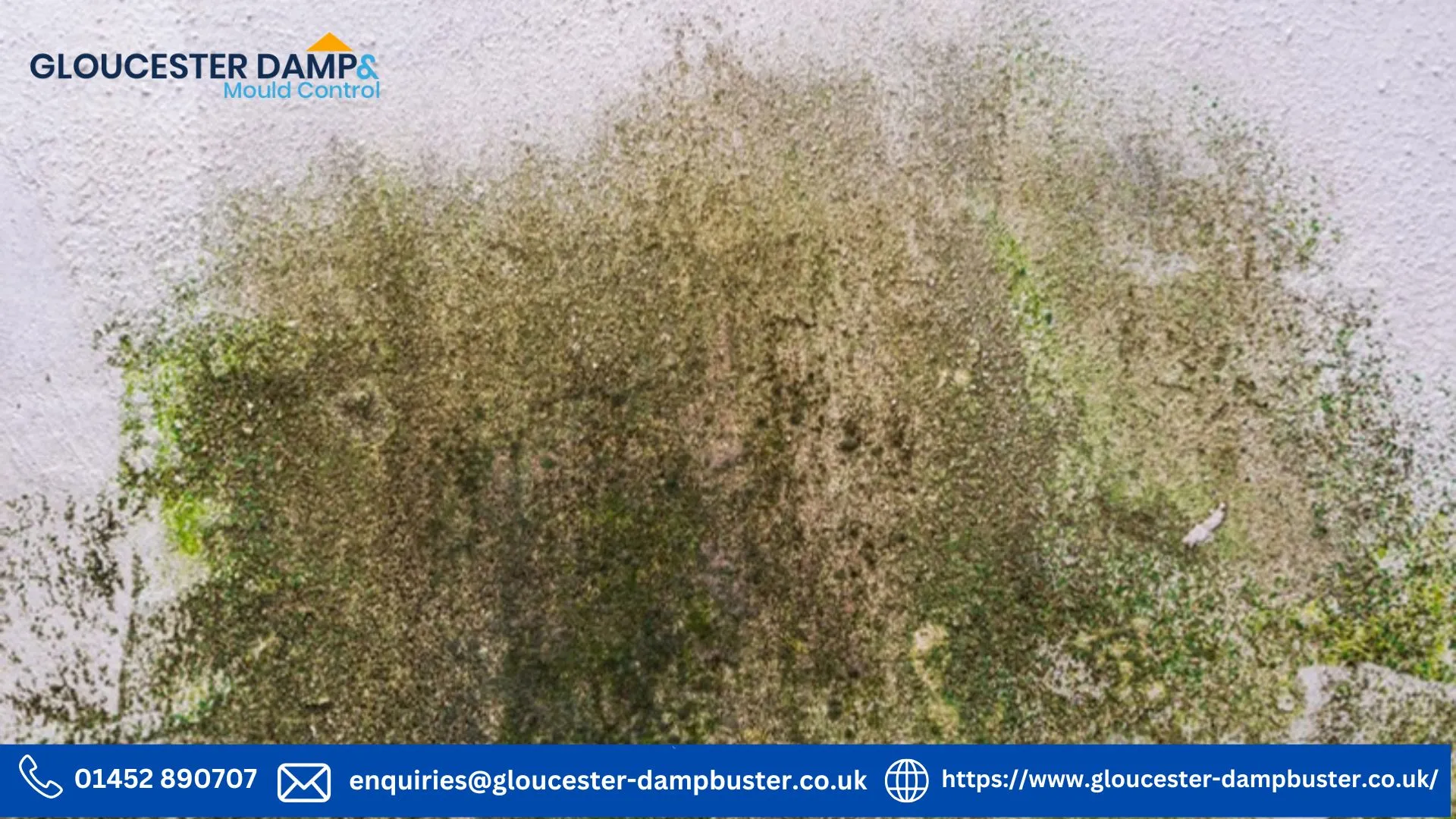
What Risks Does Untreated Penetrating Damp Pose to Your Property and Health?
Leaving penetrating damp untreated can have serious long-term consequences. What begins as a small area of dampness can eventually affect multiple parts of the building, increasing repair costs and reducing the property's value. Early intervention through a professional damp survey helps minimise these risks and supports effective building preservation.
How Can Continuous Moisture Damage the Structure of Your Home?
Continuous exposure to moisture gradually weakens many essential building components. Once moisture penetration occurs, water repeatedly saturates materials that are designed to remain dry.
Potential structural consequences include:
- Progressive brickwork damage
- Deterioration of masonry
- Damaged mortar joints and defective pointing
- Cracked or detached render
- Decay of structural timber
- Damage to floor joists and roof timbers
- Stained or sagging ceilings
- Weakened internal and external walls
- Reduced structural stability
- Expensive long-term wall repairs
In severe cases, neglected penetrating damp may also contribute to flood damage inside vulnerable areas of the property following prolonged rainfall.
Routine property maintenance, timely roof repairs, gutter repairs, and external wall maintenance are significantly more cost-effective than repairing widespread structural deterioration later.
Why Can Penetrating Damp Affect Indoor Air Quality?
The effects of penetrating damp extend beyond the building itself. Excess moisture creates ideal conditions for biological growth that can affect indoor air quality and occupant wellbeing.
Common health-related concerns include:
- Increased mould growth
- Airborne mould spores
- Allergens
- Mildew
- Persistent musty smells
- Increased indoor humidity
- Respiratory irritation
- Aggravation of asthma and allergies
Poor ventilation systems can make these conditions even worse by trapping humid air indoors. Combined with condensation, penetrating damp may accelerate mould development across ceilings, walls, and hidden cavities.
To improve indoor conditions, homeowners should combine effective damp proofing, appropriate ventilation improvements, and prompt repairs to eliminate the source of water ingress rather than simply treating the visible symptoms.
By acting early, Gloucester homeowners can preserve their property's condition, improve indoor comfort, and avoid the escalating costs associated with untreated damp problems.
How Is Penetrating Damp Diagnosed by Professional Damp Specialists?
Correct diagnosis is the foundation of successful damp treatment. Many property owners mistake penetrating damp for rising damp or condensation, leading to ineffective repairs and unnecessary expense. A professional assessment identifies the true source of water ingress and ensures that the right solution is applied. Whether you own a Victorian house, Georgian property, modern home, or commercial property in Gloucester, a detailed inspection can prevent minor moisture issues from developing into significant structural problems.
What Does a Professional Damp Survey Include?
A professional penetrating damp survey goes beyond identifying visible damp patches. Experienced damp specialists and a qualified building surveyor examine the entire property to locate the exact cause of moisture penetration.
A comprehensive damp survey typically includes:
- A detailed building inspection of the property's exterior and interior.
- Examination of brickwork, masonry, render, and pointing for signs of deterioration.
- Inspection of roof tiles, chimneys, flashing, gutters, and downpipes.
- Assessment of window seals, doors, fascias, soffits, and external cladding.
- Internal checks for damp patches, water stains, mould growth, and damaged internal plaster.
- Moisture readings using a moisture meter to determine how far dampness has spread.
- Thermal imaging, where appropriate, to detect hidden moisture behind walls and ceilings.
- Evaluation of the cavity wall, foundations, and surrounding drainage.
- Identification of building envelope defects that may allow water entering walls.
The surveyor will also determine whether the problem is caused by rainwater penetration, plumbing leaks, defective drainage, or another source. This detailed assessment forms the basis for effective damp proof solutions and helps prioritise the necessary repairs.
Why Is Accurate Diagnosis Essential Before Starting Repairs?
Many damp issues share similar symptoms, but their causes differ significantly. Treating the wrong problem can waste both time and money.
For example:
- Installing a new Damp Proof Course (DPC) will not solve penetrating damp caused by cracked external render.
- Improving ventilation alone will not stop rainwater penetrating walls through damaged masonry.
- Repainting stained walls without repairing the source of water ingress will only provide a temporary cosmetic improvement.
An accurate diagnosis enables professionals to:
- Differentiate between penetrating damp, rising damp, and condensation.
- Identify all routes of moisture penetration.
- Recommend targeted damp proof treatment rather than unnecessary work.
- Protect the building's structural integrity.
- Reduce future maintenance costs.
- Deliver long-term property protection.
A professional survey also gives homeowners confidence that repairs address the root cause instead of masking visible symptoms.
What Are the Most Effective Treatments for Penetrating Damp in Gloucester?
Once the source of moisture has been identified, the next step is implementing the appropriate repairs. Effective treatment focuses on preventing future water ingress, repairing damaged building components, and restoring affected areas. Professional damp repair services provide tailored solutions based on the property's age, construction type, and the severity of the damage.
Which Building Repairs Help Eliminate Water Ingress?
The most effective penetrating damp treatment begins by repairing the defects that allow water to enter the building.
Common repair work includes:
- Roof repairs to replace damaged or missing roof tiles.
- Repairing or replacing faulty flashing around chimneys and roof junctions.
- Repointing deteriorated mortar joints.
- Repairing damaged brickwork and masonry.
- Restoring or replacing cracked render.
- Sealing external wall cracks with high-quality sealants.
- Repairing defective window seals and door frames.
- Cleaning and repairing gutters and downpipes.
- Completing cavity wall repairs where required.
- Addressing poor drainage around the property's foundations.
Where timber has been affected, specialists may also recommend:
- Timber treatment
- Replacement of damaged floor joists
- Repairs to roof timbers
- Treatment for wet rot, dry rot, or woodworm
By eliminating the source of moisture, these repairs help prevent recurring damp problems while extending the lifespan of the building.
How Can Waterproofing Solutions Provide Long-Term Protection?
Building repairs alone may not always provide complete protection, particularly for older Gloucester properties that experience regular exposure to heavy rainfall. Additional waterproofing measures can strengthen the building's resistance to moisture.
Long-term protection may include:
- Applying a waterproof coating to external walls.
- Installing a waterproof render where appropriate.
- Using a specialist masonry sealer on porous brickwork.
- Carrying out crack repairs before water penetration worsens.
- Improving external drainage systems.
- Installing or repairing a Damp Proof Membrane (DPM) where necessary.
- Enhancing rainwater management around the property.
- Completing regular exterior maintenance services.
- Scheduling routine property maintenance and inspections.
These preventative measures help prevent water ingress, reduce moisture penetration, and improve the durability of the building envelope. Combined with regular inspections and prompt maintenance, they provide long term protection against future damp issues.
Investing in professional damp proofing not only safeguards your property but also helps preserve its appearance, structural stability, and market value. For homeowners across Gloucester City Centre, Cheltenham, Stroud, Tewkesbury, and the wider Gloucestershire area, proactive maintenance remains one of the most effective ways to minimise the risk of penetrating damp.
How Can You Prevent Penetrating Damp from Returning?
Once penetrating damp has been successfully treated, ongoing maintenance is essential to stop the problem from recurring. Many cases of damp develop gradually due to neglected exterior maintenance rather than sudden structural failure. By carrying out regular inspections and addressing small defects early, Gloucester property owners can protect their investment and avoid costly remedial work. Preventative care is far more economical than repairing extensive structural damage, replacing timber, or restoring damaged interior finishes.
Which Routine Maintenance Tasks Help Protect Your Property?
Routine building maintenance helps reduce the risk of water ingress and extends the lifespan of your property's exterior. Regular attention to key building components ensures that rainwater is directed away from the structure rather than absorbed into the walls.
A preventative maintenance plan should include:
- Cleaning gutters and downpipes at least twice a year.
- Inspecting the roof for damaged or missing roof tiles.
- Checking flashing around chimneys and roof junctions.
- Repairing cracked render and damaged brickwork promptly.
- Repointing deteriorating mortar joints before moisture can penetrate.
- Inspecting window seals, door frames, and external sealants.
- Clearing blocked drainage channels and maintaining effective rainwater management.
- Looking for external wall cracks following severe weather.
- Maintaining waterproof coatings on exposed masonry where appropriate.
- Monitoring any previous damp repairs to ensure they remain effective.
These simple measures help prevent penetrating damp, reduce moisture penetration, and preserve the condition of your external walls, internal walls, and overall building envelope.
When Should You Arrange Regular Damp Inspections?
Even well-maintained properties benefit from professional inspections. A periodic property survey can identify hidden defects before they develop into significant damp problems.
It is advisable to arrange a professional damp survey:
- Once a year as part of routine property maintenance.
- After periods of heavy rainfall or wind-driven rain.
- Following storms that may have damaged the roof or guttering.
- Before purchasing an older property through a homebuyer damp survey.
- If you notice new damp patches, peeling paint, mould growth, or water stains.
- Before undertaking major renovation or home improvement projects.
A qualified damp specialist or building surveyor can use specialist equipment, including a moisture meter and thermal imaging, to identify hidden moisture that may not yet be visible. Early detection allows homeowners to carry out minor repairs before extensive structural repairs become necessary, ensuring long-term protection for both residential and commercial properties.
Conclusion
Early action is the most effective way to protect your property from the damaging effects of penetrating damp Gloucester. Whether caused by damaged brickwork, defective pointing, cracked render, faulty flashing, blocked gutters, or poor drainage, allowing water ingress to continue unchecked can result in mould growth, wet rot, timber decay, and expensive structural repairs. Understanding the differences between penetrating damp, rising damp, and condensation, recognising the warning signs, and investing in a professional damp survey are essential steps towards safeguarding your home.
Regular property maintenance, prompt repairs, and appropriate damp proofing solutions provide reliable, long-term protection against moisture damage. By addressing small issues before they escalate, Gloucester homeowners can preserve their property's structural integrity, improve indoor comfort, and avoid unnecessary repair costs. If you suspect penetrating damp, arranging a professional inspection and targeted treatment today is the best way to protect your property for years to come.





























Sign in to leave a comment.