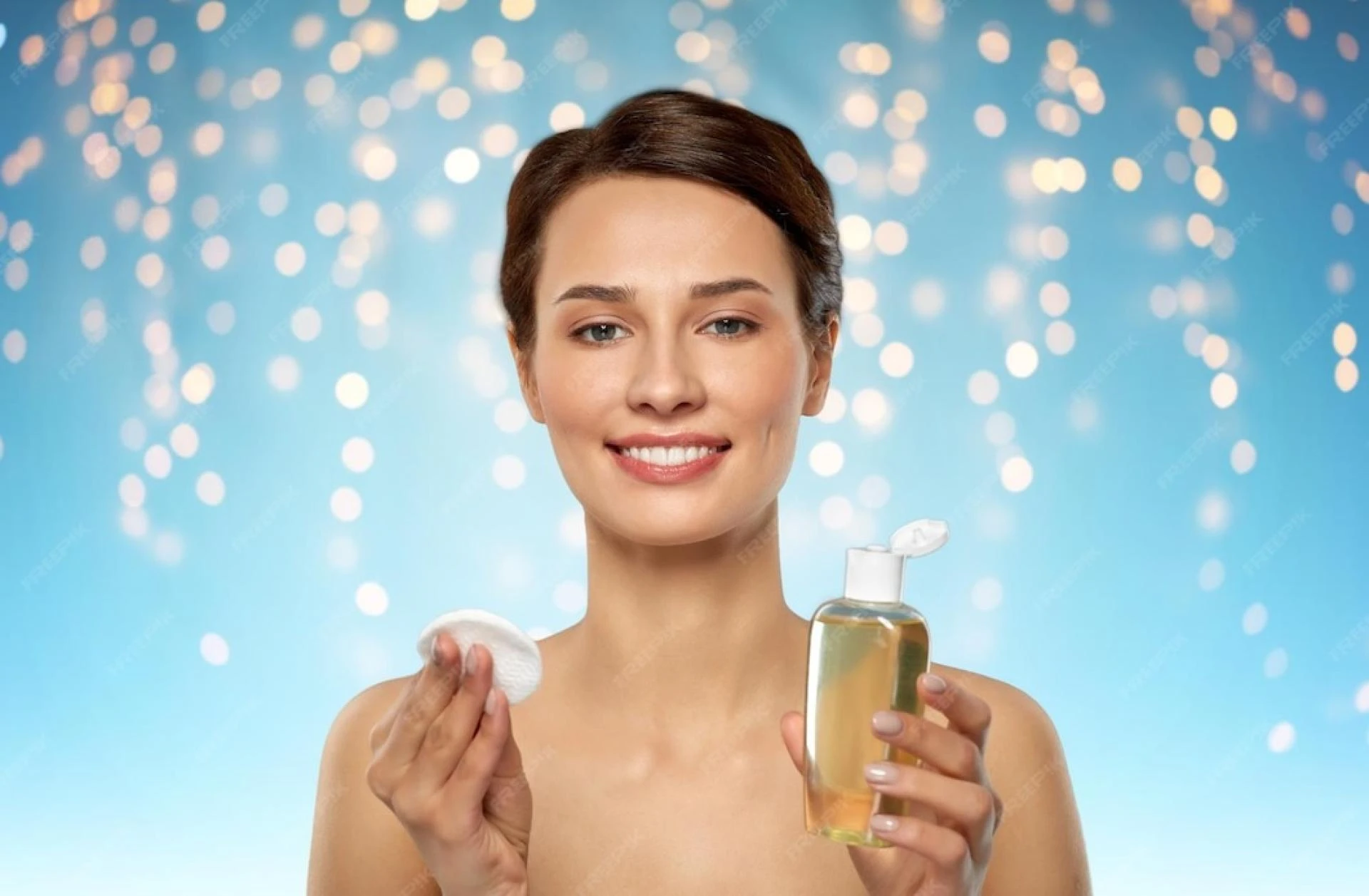

The skincare world is constantly evolving, with new ingredients rising to fame every year. From hyaluronic acid to vitamin C, there’s always something promising smoother, firmer, and more youthful skin. Lately, peptides have become a standout ingredient in anti-aging routines. While many people ask questions like is rice toner good for skin, peptides deserve equal attention for their science-backed ability to support collagen, reduce wrinkles, and improve overall skin health.
If you’re looking to simplify your anti-aging routine while maximizing results, understanding peptides is a smart place to start. Let’s break down what peptides are, how they work, and why they may be the ingredient your skincare routine has been missing.
What Are Peptides in Skincare?
Peptides are short chains of amino acids, which are the building blocks of proteins. In skincare, the most important protein is collagen. Collagen keeps your skin firm, smooth, and resilient. As we age, collagen production naturally declines, leading to fine lines, wrinkles, and sagging skin.
Peptides act as messengers in the skin. When applied topically, they signal your skin to produce more collagen and elastin. Think of them as tiny communicators that tell your skin to repair, strengthen, and rejuvenate itself.
Why Peptides Are Essential for Anti-Aging
Aging skin is characterized by:
- Loss of firmness
- Increased wrinkles and fine lines
- Thinner texture
- Reduced elasticity
- Slower healing
Peptides directly target several of these concerns. By encouraging collagen production and supporting the skin barrier, they help maintain structure and strength.
Unlike harsher anti-aging ingredients, peptides work gradually and gently. This makes them ideal for long-term use and suitable for most skin types.
How Peptides Boost Collagen Production
Collagen is the protein responsible for keeping skin plump and firm. After your mid-20s, collagen production decreases by about 1% per year. Environmental factors like UV exposure and pollution can accelerate this process.
Peptides stimulate fibroblasts—the cells responsible for producing collagen. When your skin senses peptides, it interprets them as fragments of broken collagen and responds by generating more collagen to compensate.
The result over time?
- Firmer skin
- Reduced wrinkle depth
- Improved elasticity
- Smoother texture
Consistency is key. Visible improvements often appear after several weeks of regular use.
Different Types of Peptides Used in Skincare
Not all peptides are the same. Different types serve different functions:
1. Signal Peptides
These stimulate collagen, elastin, and other structural proteins. They’re commonly found in anti-aging serums and creams.
2. Carrier Peptides
These deliver trace elements like copper to the skin, which assist in wound healing and collagen production.
3. Enzyme-Inhibitor Peptides
These slow down the breakdown of collagen, helping preserve firmness and elasticity.
4. Neurotransmitter-Inhibiting Peptides
Sometimes called “Botox-like” peptides, these help relax facial muscle contractions that contribute to expression lines.
Understanding the type of peptide in your product can help you choose the right formula for your specific skin concerns.
Key Benefits of Peptides for Your Skin
Peptides offer a wide range of benefits beyond just wrinkle reduction.
1. Improved Skin Barrier
Peptides help strengthen the skin’s natural barrier, reducing moisture loss and protecting against environmental stressors.
2. Enhanced Hydration
By supporting barrier function, peptides allow skin to retain moisture more effectively.
3. Reduced Inflammation
Some peptides calm irritation and redness, making them suitable for sensitive skin.
4. Better Skin Texture
Regular use can result in smoother, more refined skin.
5. Increased Firmness
The collagen-boosting effect helps improve sagging and laxity over time.
Peptides vs. Retinol: Which Is Better?
Retinol is widely known as a gold-standard anti-aging ingredient. It increases cell turnover and stimulates collagen, but it can cause dryness, irritation, and sensitivity.
Peptides, on the other hand:
- Are generally gentler
- Cause minimal irritation
- Work well for sensitive skin
- Can be used daily
While retinol works faster in some cases, peptides are ideal for people who cannot tolerate stronger actives or who want a supportive ingredient to maintain results.
In fact, peptides and retinol can work well together when introduced carefully into a skincare routine.
Can Peptides Help with Wrinkles and Fine Lines?
Yes—especially when used consistently.
Peptides improve the appearance of wrinkles in two main ways:
- Boosting Collagen Production: This thickens the dermal layer, reducing wrinkle depth.
- Relaxing Expression Lines: Certain peptides soften dynamic wrinkles caused by repeated facial movements.
However, peptides are not an overnight fix. They work gradually, making them perfect for long-term anti-aging strategies rather than instant results.
Are Peptides Suitable for All Skin Types?
One of the biggest advantages of peptides is their versatility. They are generally suitable for:
- Dry skin
- Oily skin
- Combination skin
- Mature skin
- Sensitive skin
Because they are not exfoliating or overly stimulating, they rarely cause irritation. This makes them an excellent choice for individuals who struggle with reactive skin but still want anti-aging benefits.
How to Incorporate Peptides Into Your Skincare Routine
Adding peptides to your routine is simple. They are most commonly found in:
- Serums
- Moisturizers
- Eye creams
- Night creams
Step-by-Step Guide:
- Cleanser
- Toner (optional)
- Peptide serum
- Moisturizer
- Sunscreen (morning routine)
Peptides layer well with most ingredients, making them easy to integrate without major changes to your existing regimen.
Ingredients That Pair Well with Peptides
Peptides are team players. They work effectively alongside other skincare ingredients:
Hyaluronic Acid
Boosts hydration and enhances plumping effects.
Vitamin C
Provides antioxidant protection and supports collagen production.
Niacinamide
Improves barrier function and reduces redness.
Ceramides
Strengthen and repair the skin barrier.
Unlike some actives that conflict with each other, peptides are generally stable and compatible with most formulations.
How Long Do Peptides Take to Show Results?
Patience is essential with peptides. While some users notice improved hydration within a few weeks, visible anti-aging results typically take:
- 4–6 weeks for texture improvement
- 8–12 weeks for firmness and wrinkle reduction
Consistency and daily application are crucial. Skipping use may slow progress.
Common Myths About Peptides
Myth 1: Peptides Replace Collagen
Peptides do not directly replace collagen. They stimulate your skin to produce its own collagen.
Myth 2: They Work Instantly
Peptides are not quick-fix ingredients. They provide gradual, sustainable improvements.
Myth 3: More Is Always Better
Higher concentrations are not necessarily more effective. Proper formulation matters more than sheer percentage.
Are There Any Side Effects?
Peptides are considered low-risk. Side effects are rare but may include:
- Mild irritation
- Temporary redness
- Sensitivity in very reactive skin
Performing a patch test before introducing a new product is always recommended.
How to Choose the Best Peptide Product
When shopping for peptide skincare, look for:
- Multiple peptide types
- Air-tight, opaque packaging
- Formulas with supportive ingredients (like hyaluronic acid or ceramides)
- Products from reputable brands
Ingredient lists can sometimes be complex, so focus on overall formulation rather than just one highlighted peptide.
The Long-Term Value of Peptides
Anti-aging isn’t about reversing time overnight—it’s about slowing visible signs of aging and supporting skin health over time.
Peptides offer:
- Sustainable collagen support
- Improved resilience
- Enhanced smoothness
- Reduced wrinkle appearance
Because they’re gentle enough for daily use, they fit seamlessly into preventive skincare routines starting in your 20s or corrective routines in your 40s and beyond.
Final Thoughts
Peptides have earned their place as a powerhouse ingredient in modern skincare. Their ability to stimulate collagen, strengthen the skin barrier, and reduce fine lines makes them a valuable addition to nearly any anti-aging routine.
While no single ingredient can completely stop aging, peptides provide steady, science-backed support that improves skin health from within. If you’re looking for a versatile, low-irritation ingredient that delivers long-term results, peptides may be exactly what your skincare routine needs.
Consistency, patience, and proper product selection will help you get the most out of this powerful anti-aging ingredient.


























Sign in to leave a comment.