
In the evolving world of architecture and interior design, the quest for intelligent materials that satisfy both form and function continues to redefine modern spaces. Among these innovations, perforated wood acoustic panels have emerged as a premier choice for designers who seek to harmonize aesthetic sophistication with effective acoustic performance.
From elegant corporate boardrooms to ambient cultural centers, these panels are transforming interiors by controlling noise while preserving the warmth and character of natural wood. But what exactly makes them so popular—and why are they becoming a staple in smart building design?
Understanding Perforated Wood Acoustic Panels
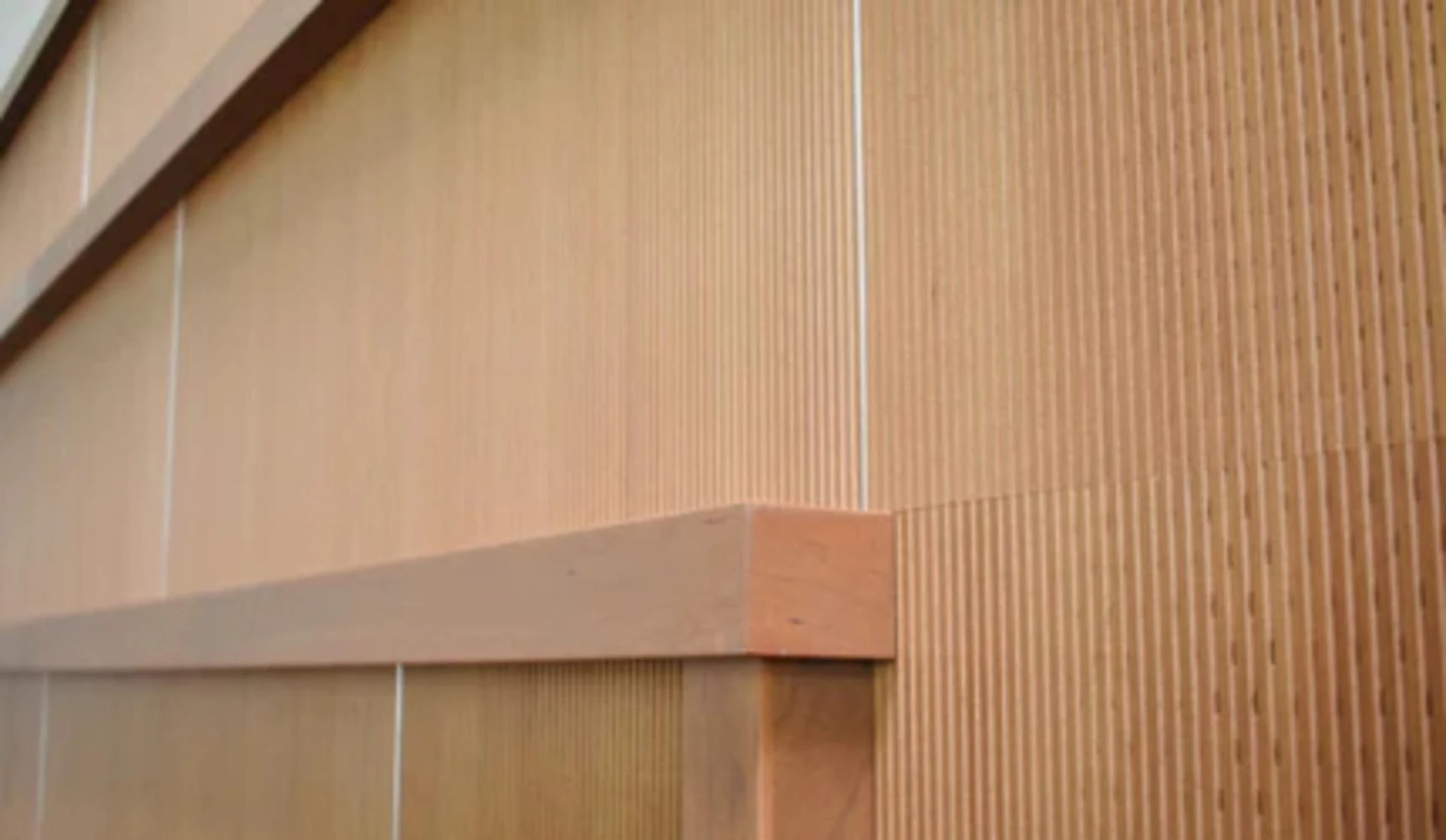
Perforated wood acoustic panels are engineered wooden surfaces that contain carefully arranged holes, slots, or micro-perforations. These perforations are designed to allow sound waves to pass through the wood and be absorbed by acoustic insulation layers placed behind the panels. This reduces echo, reverberation, and unwanted noise, while maintaining a visually appealing finish.
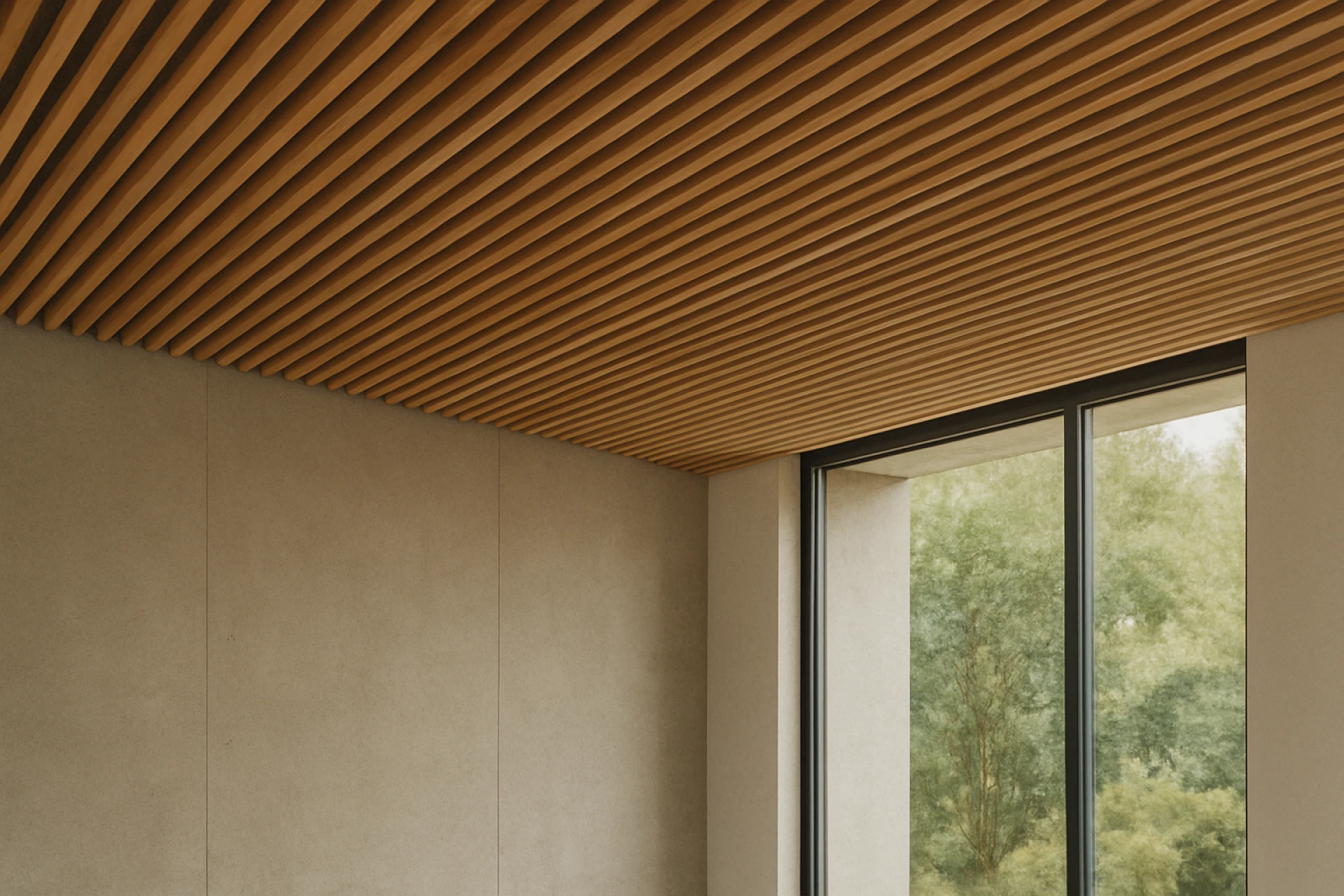
Made from premium wood veneers—such as oak, maple, birch, walnut, or bamboo—these panels are available in a wide variety of patterns and finishes. Their versatility allows them to integrate into any interior, from minimalist offices to ornate performance halls.
How Do They Work?
The acoustic effectiveness of these panels lies in their ability to disrupt sound wave reflections. Here's how:
- Sound Penetration: Sound waves pass through the perforations in the panel.
- Absorption Layer: Behind the panel, acoustic materials like mineral wool or fiberglass absorb the sound energy.
- Reduced Echo: The energy is dissipated, reducing the reflection of sound within the room.
This process helps enhance speech clarity and creates a more comfortable acoustic environment, especially in large or noisy spaces.
Advantages of Perforated Wood Acoustic Panels
🔊 Superior Acoustic Control
Whether you’re managing sound in a recording studio or softening background noise in a co-working space, these panels dramatically improve the acoustic landscape. They reduce reverberation and background noise while enhancing sound clarity.
🌿 Natural Beauty & Warmth
Unlike cold industrial finishes or synthetic materials, perforated wooden acoustic panels provide a warm, natural aesthetic. Wood grain, tone, and texture bring a timeless charm to interiors, from rustic styles to sleek contemporary settings.
🧩 Endless Customization
Designers and architects can select from a range of:
- Hole sizes and patterns (round, slotted, square, or custom)
- Wood species and veneer finishes
- Panel sizes to suit ceilings, walls, and architectural features
This makes them ideal for tailoring a unique visual language for any project.
✅ Sustainable & Eco-Friendly
Many perforated acoustic wood panels are made using FSC-certified timber and low-VOC finishes. When paired with recyclable acoustic backing materials, they become a green building solution that supports LEED and WELL certifications.
🛠️ Ease of Installation
Most systems come with modular panels that can be easily installed using clip-on or concealed fasteners. This minimizes installation time and ensures a clean, streamlined look.
Popular Applications of Perforated Wood Acoustic Panels
These panels have found their way into a wide variety of spaces due to their dual functionality:
🏛️ Auditoriums & Performance Halls
Precision acoustics are essential in these spaces. The panels improve sound distribution while offering a polished, elegant finish.
🏢 Offices & Boardrooms
In open-plan workplaces and meeting rooms, managing noise levels is critical for productivity. These panels help reduce distractions and improve communication.
🏫 Educational Institutions
Lecture halls and classrooms benefit from improved speech intelligibility, contributing to better learning environments.
🏨 Hotels, Restaurants & Spas
Create intimate and serene atmospheres by controlling background noise without sacrificing style.
🏠 Luxury Residences
Use in home theaters, living rooms, or studios to enhance both visual and auditory experience.
Design Considerations
When choosing perforated wood acoustic panels, it’s essential to think beyond aesthetics:
- Perforation Ratio: More holes generally mean better sound absorption, but this must be balanced with visual appeal.
- Fire Ratings: Many public buildings require fire-rated panels—check for certifications like ASTM E84 or EN13501.
- Maintenance: Wood panels require minimal care, but proper sealing ensures longevity.
- Panel Placement: Strategically placing panels on walls and ceilings maximizes acoustic efficiency.
Micro-Perforated Panels: For High-Performance Needs
In high-performance environments like studios or concert halls, micro-perforated wood acoustic panels offer even greater absorption across a wider range of frequencies. These tiny perforations (typically less than 1 mm) are nearly invisible from a distance, offering a smooth, seamless appearance while delivering exceptional sound control.
Sustainability Spotlight
With growing awareness of climate impact, many manufacturers are shifting toward eco-conscious materials:
- Panels made from reclaimed or rapidly renewable wood
- Non-toxic glues and low-emission coatings
- Recyclable backing materials
Opting for sustainable perforated acoustic panels aligns your project with environmental goals while ensuring long-term performance and visual integrity.
Conclusion: Design That Speaks—and Listens
In today’s design language, where every element is expected to serve multiple roles, perforated wood acoustic panels rise to the challenge. They enhance sound quality, elevate the visual language of interiors, and support sustainable building practices—all while staying true to the natural beauty of wood.
Whether you're designing a peaceful sanctuary, a dynamic workspace, or a performance-grade environment, these panels offer a solution that listens as much as it speaks.




























Sign in to leave a comment.