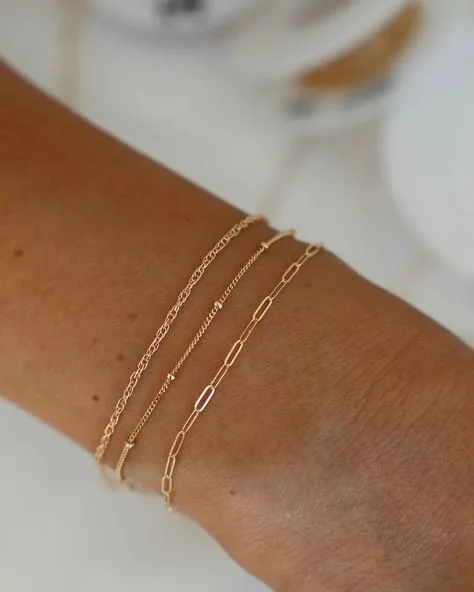

Permanent Jewelry has become a defining trend in modern accessory design, offering a seamless and clasp-free way to wear bracelets, anklets, and necklaces that are welded directly onto the body. Unlike traditional jewelry that can be taken on and off, this style is intended for long-term wear, making material selection especially important.
Comfort, durability, appearance, and skin sensitivity all play a major role in choosing the right option. Among the most popular materials are gold, silver, and a range of durable chain alternatives that balance strength with style. Understanding these materials helps ensure that the final piece not only looks beautiful but also stands the test of time.
Gold: Timeless Luxury and Lasting Shine
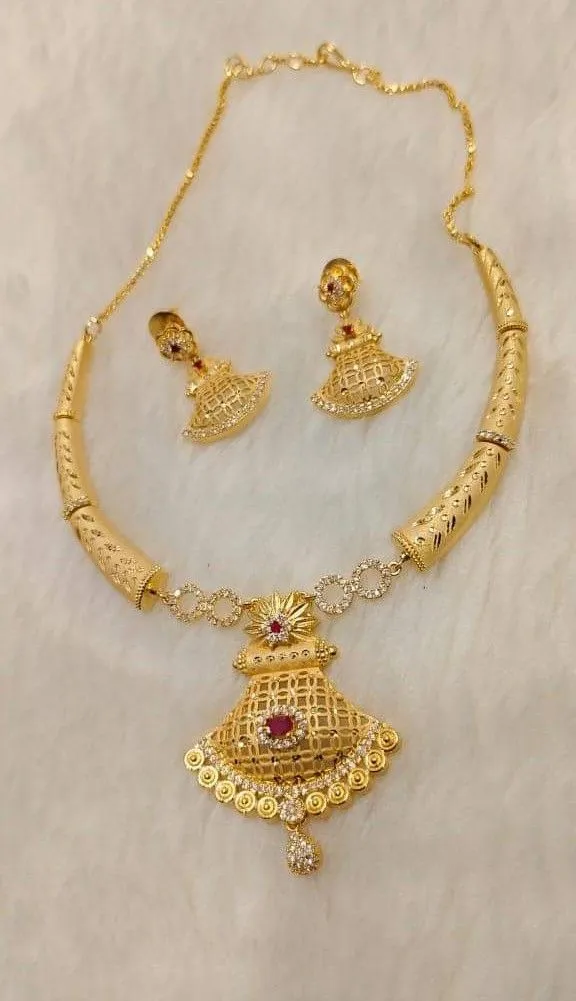
In Permanent Jewelry, gold remains one of the most popular choices for both designers and wearers. Its natural resistance to tarnish and corrosion makes it ideal for jewelry that is meant to be worn continuously. However, pure 24k gold is too soft for everyday use, which is why most pieces are crafted from 14k or 18k gold. These alloys maintain the rich, warm color of gold while adding the strength needed for durability.
Gold-filled and gold-vermeil options are also widely used for more affordable alternatives. Gold-filled jewelry has a thicker layer of gold bonded to a base metal, offering better longevity than standard plating. Gold-vermeil, on the other hand, uses sterling silver as a base with a thick gold coating, giving a luxurious appearance at a lower price point.
Another advantage of gold is its hypoallergenic nature, particularly in higher karats, making it suitable for sensitive skin. While gold is durable, it is not completely resistant to scratches, especially in finer chain designs. This makes proper care and mindful wear important for maintaining its polished appearance over time.
Silver: Modern, Affordable, and Versatile
In Permanent Jewelry, silver is another widely used material known for its bright and reflective finish. Sterling silver, composed of 92.5% pure silver mixed with alloys for added strength, is the standard choice in most jewelry applications. It offers a sleek, modern aesthetic that appeals to those who prefer minimalist or understated designs.
One of silver’s main advantages is affordability. Compared to gold, it allows for stylish designs at a lower cost, making it accessible to a broader range of customers. Silver also pairs well with both casual and formal outfits, making it a versatile choice for everyday wear.
However, silver does come with maintenance considerations. It is prone to tarnishing when exposed to air, moisture, and chemicals such as perfumes or lotions. Regular cleaning and occasional polishing are necessary to maintain its shine. Despite this drawback, many people continue to choose silver because of its elegant look and adaptability in layered jewelry styles.
Durable Chain Options: Strength Meets Style
In Permanent Jewelry, chain selection goes beyond traditional precious metals. Many jewelers now offer durable alternatives designed to withstand constant wear without compromising on style. Stainless steel is one of the most popular options due to its exceptional resistance to rust, corrosion, and scratching. It is also highly affordable, making it ideal for clients seeking longevity on a budget.
Titanium is another strong contender. Known for its lightweight feel and impressive strength-to-weight ratio, titanium is both durable and comfortable for everyday wear. It is also hypoallergenic, making it suitable for individuals with metal sensitivities. Its slightly darker, modern tone gives it a distinct aesthetic compared to traditional metals.
Platinum is considered a premium choice. It is naturally white, highly resistant to tarnish, and extremely durable. Although more expensive, platinum offers unmatched longevity and a luxurious finish that develops a subtle patina over time rather than deteriorating.
These durable chain options expand the creative possibilities for jewelers, allowing them to design pieces that match different lifestyles, whether active, professional, or fashion-focused.
Durability, Comfort, and Long-Term Care
In Permanent Jewelry, durability is just as important as design. Since these pieces are not meant to be removed regularly, they must withstand daily activities such as showering, exercising, and sleeping. This makes material strength and resistance to environmental factors crucial considerations.
Proper care still plays a role in extending the life of any piece. Even the strongest metals benefit from occasional cleaning to remove oils, dirt, and buildup from daily wear. Mild soap and water are often sufficient for most materials, while specialized polishing cloths can help restore shine to gold and silver.
Comfort is another key factor. Lightweight materials like titanium can be ideal for those who prefer barely-there jewelry, while gold and silver offer a more traditional feel with a balance of weight and elegance. Choosing the right chain thickness also impacts comfort, as finer chains may feel more delicate while thicker ones provide added durability.
Ultimately, the combination of material and design determines how well a piece performs over time.
Conclusion
The growing popularity of Permanent Jewelry reflects a shift toward meaningful, low-maintenance accessories that blend style with everyday practicality. Whether choosing the timeless elegance of gold, the modern versatility of silver, or the resilience of durable metals like stainless steel, titanium, and platinum, each material offers unique benefits.
Selecting the right option depends on personal style, lifestyle needs, and budget. With thoughtful material choice and proper care, these pieces can remain beautiful and functional for years, making them more than just jewelry—they become a lasting part of personal expression.


















Sign in to leave a comment.