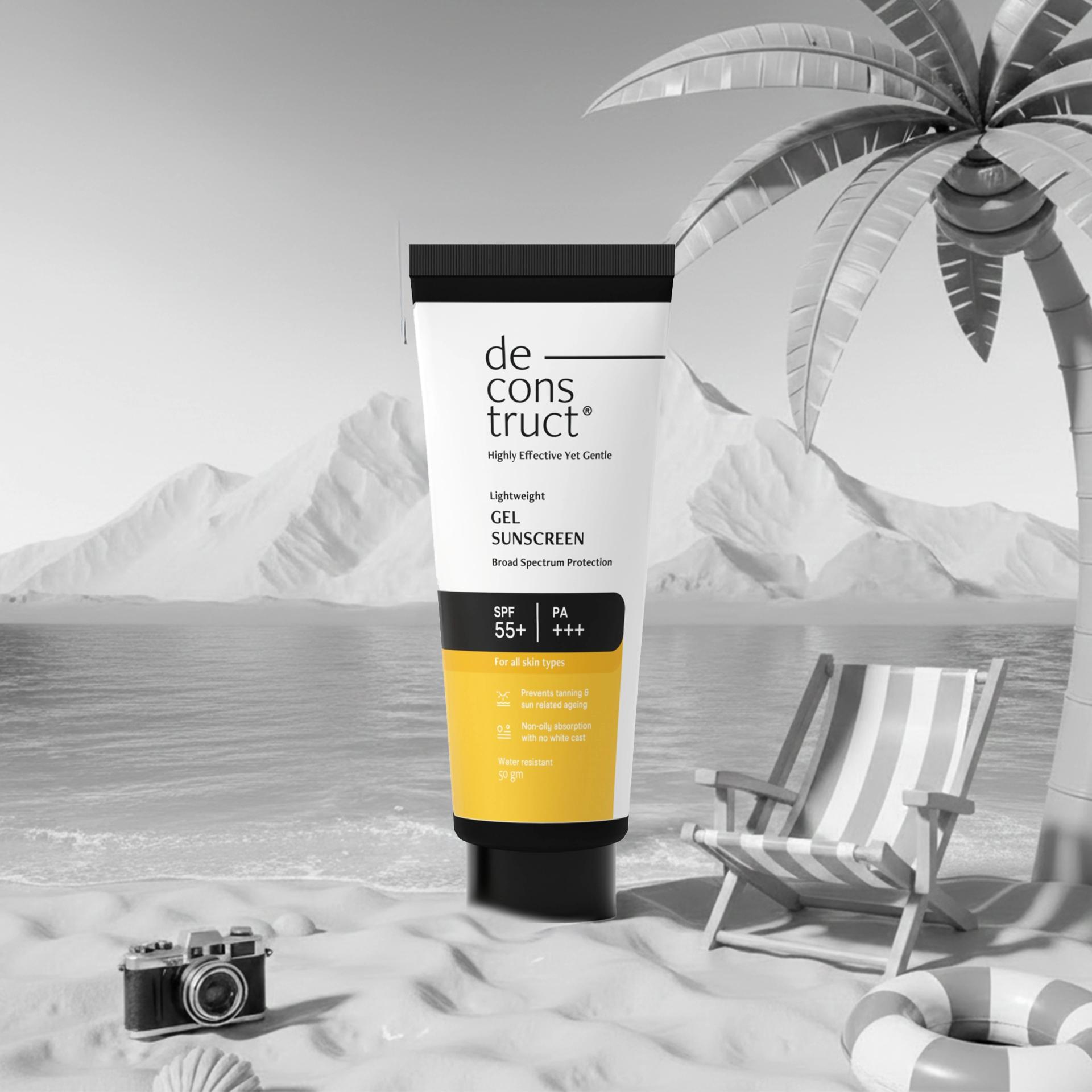
When choosing a sunscreen, most people focus only on SPF. But SPF alone does not determine how reliable your sunscreen will be under real sun exposure. One crucial factor that often gets overlooked is photostability.
If you live in a country like India where UV levels remain high throughout the year, understanding the difference between photostable and regular sunscreen can significantly impact how well your skin is protected.
Let’s break it down clearly.
What Is a Regular Sunscreen?
A regular sunscreen is designed to protect your skin from harmful UVA and UVB rays. SPF (Sun Protection Factor) mainly measures protection against UVB rays, which cause sunburn. Broad-spectrum sunscreens protect against both UVA (which causes premature aging and pigmentation) and UVB (which causes burning).
Sunscreens use UV filters that either:
- Absorb UV radiation (chemical filters), or
- Reflect/scatter UV radiation (mineral filters)
However, some UV filters begin to degrade when exposed to sunlight. As they break down, the level of protection can gradually reduce. This means that even though you applied SPF 50, the protection may not remain consistent throughout sun exposure.
This is where photostability becomes important.
What Is a Photostable Sunscreen?
Photostability refers to how stable sunscreen filters remain when exposed to UV radiation.
A photostable sunscreen maintains its structure and continues providing reliable protection even after prolonged exposure to sunlight. In simple terms, it does not lose effectiveness quickly under the sun.
This is especially important in Indian weather conditions where:
- The UV index is high for most of the year
- Summers are intense
- Humidity is high
- Outdoor exposure is frequent
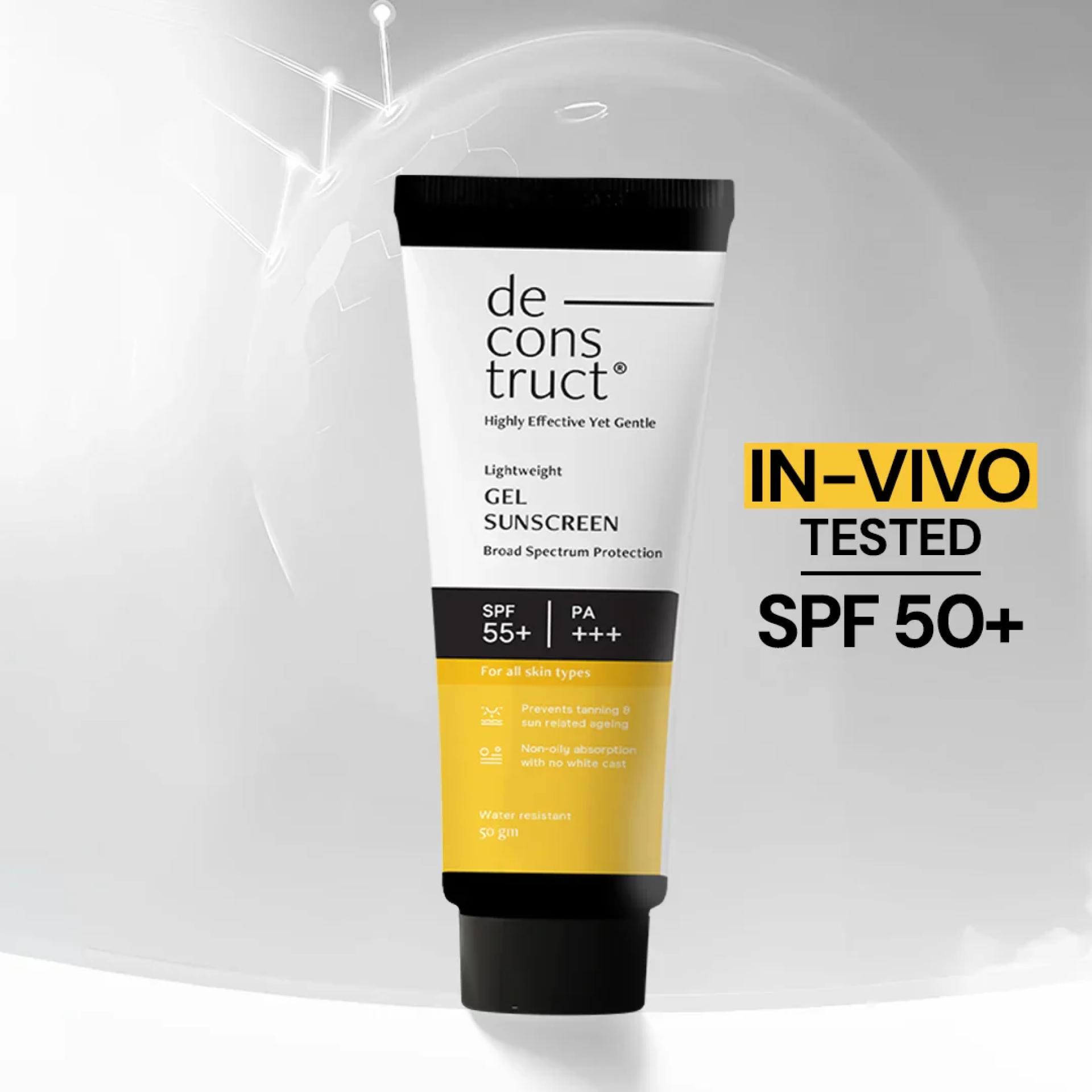
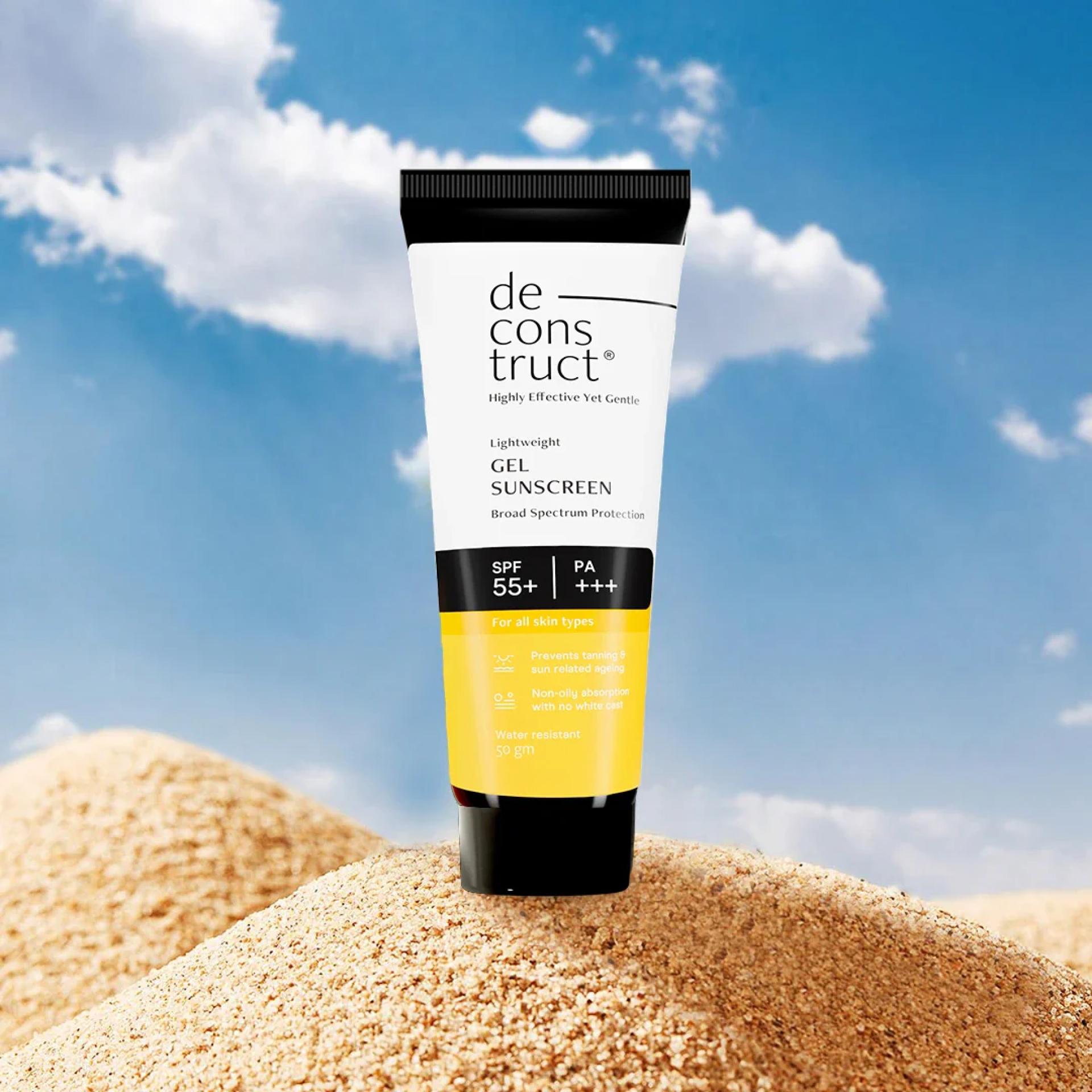
For oily and acne-prone skin types, choosing a photostable gel sunscreen becomes even more important. Gel-based textures are lightweight, absorb quickly, and feel breathable on the skin while maintaining stable UV protection. If you are looking for a daily-use option designed specifically for oily skin, you can explore this photostable gel sunscreen here:
Photostable vs Regular Sunscreen: Key Differences
1️⃣ Stability Under Sunlight
Regular sunscreens may contain filters that degrade faster when exposed to UV rays.
Photostable sunscreens are formulated to maintain their protective strength for longer durations.
2️⃣ Consistency of Protection
If UV filters break down, UVA protection can reduce over time. This may increase tanning and pigmentation risks.
Photostable formulations provide more consistent broad-spectrum protection.
3️⃣ Pigmentation & Tanning Prevention
UVA rays penetrate deeper into the skin and are responsible for premature aging and hyperpigmentation. When sunscreen filters remain stable, the skin receives continuous defense against these effects.
4️⃣ Performance on Oily Skin
Heavy cream sunscreens can feel greasy, especially in humid climates. In contrast, gel-based formulations with stable filters provide protection without clogging pores or causing excess shine.
Why Photostability Matters More Than You Think
Many people assume that reapplying sunscreen is enough. While reapplication every 2–3 hours is essential, starting with a stable sunscreen gives you a stronger foundation of protection.
Here’s why photostability matters:
- UVA exposure occurs throughout the day, even indoors.
- Filter degradation reduces long-term anti-pigmentation benefits.
- Acne-prone skin requires non-comedogenic, stable formulations.
- High heat can accelerate filter breakdown in unstable formulas.
For people living in high UV regions or dealing with oily skin concerns, a lightweight gel sunscreen with photostable filters offers better daily compliance and consistent performance.
How to Identify a Photostable Sunscreen
Here are a few practical ways to identify one:
✔ Look for “photostable” mentioned on the packaging
✔ Choose broad-spectrum SPF 50 with a PA rating
✔ Prefer lightweight gel textures for oily skin
✔ Look for brands that highlight stability testing
Brands like Deconstruct focus on science-backed sunscreen formulations suitable for Indian climate conditions, emphasizing both stability and skin compatibility.
Choosing the Right Sunscreen for Oily Skin
Even the most advanced sunscreen will not work effectively if it feels uncomfortable to wear daily.
If you have oily or acne-prone skin, look for:
- Gel-based texture
- Oil-free formulation
- Non-comedogenic ingredients
- SPF 50 broad-spectrum protection
- Quick-absorbing, non-sticky finish
A well-formulated gel sunscreen ensures you don’t skip application due to heaviness or greasiness. Consistency in usage is just as important as the SPF number on the label.
Final Verdict: Which One Should You Choose?
Both regular and photostable sunscreens protect your skin. However, photostable sunscreens provide:
- More consistent protection under sunlight
- Better long-term UVA defense
- Improved support against pigmentation
- Reliable performance in hot, humid weather
For Indian summers and oily skin types, choosing a gel-based sunscreen with stable UV filters is often the smarter long-term decision.
At the end of the day, sunscreen is not just about SPF — it’s about stability, formulation, and suitability for your skin type. When you choose a sunscreen that remains effective under real sun exposure, you protect your skin not just today, but for years to come.
















Sign in to leave a comment.