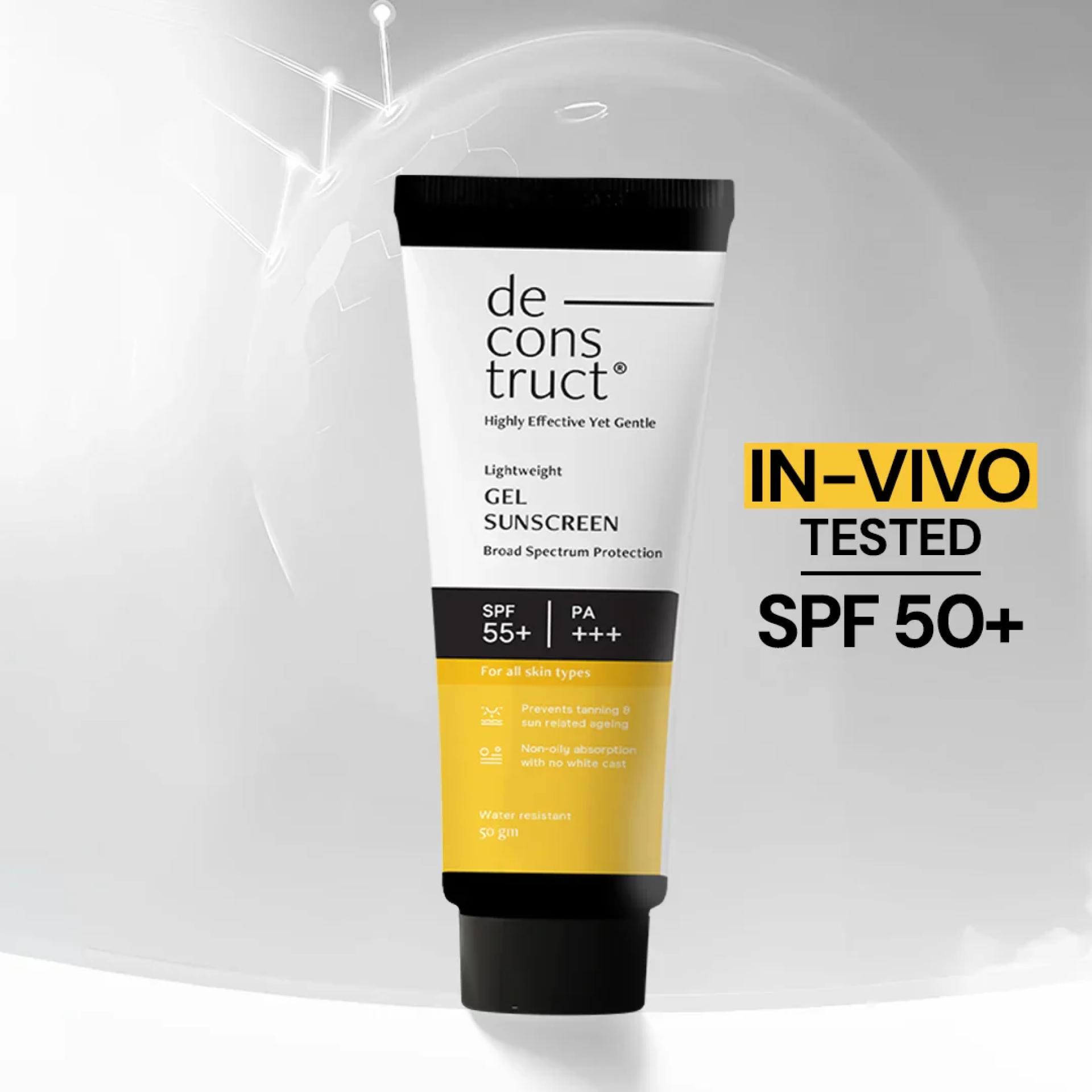
When it comes to sun protection, terms like SPF 50+, PA+++, and broad-spectrum are everywhere. But one phrase that truly separates scientifically backed products from marketing claims is “in-vivo tested sunscreen.”
So what does in-vivo testing actually mean, and is Deconstruct Sunscreen genuinely clinically proven?
In this blog, we’ll break down the science behind in-vivo sunscreen testing and use Deconstruct Gel Sunscreen for Oily Skin as a real-world example to understand why this testing matters for your skin.
What Is In-Vivo Sunscreen Testing?
In-vivo testing refers to sunscreen testing conducted on human volunteers, rather than in a laboratory environment alone. Unlike in-vitro testing (which uses artificial skin or plates), in-vivo testing measures how sunscreen performs on real human skin under controlled conditions.
During in-vivo SPF testing:
- Sunscreen is applied to human skin at a standard quantity.
- The skin is exposed to controlled UV radiation.
- Researchers measure how much UV exposure the skin can tolerate before showing redness.
This process determines the actual SPF value, making in-vivo testing the gold standard for sunscreen efficacy worldwide.
Why In-Vivo Tested Sunscreen Is More Trustworthy
Many sunscreens list impressive SPF numbers, but without in-vivo testing, these claims may not reflect real-life performance. Here’s why in-vivo tested sunscreen matters:
1. Real-World Accuracy
In-vivo testing shows how sunscreen behaves on actual skin—factoring in absorption, spreadability, and interaction with natural oils.
2. Verified SPF Claims
SPF values derived from in-vivo testing are scientifically validated, reducing the risk of misleading protection levels.
3. Better Consumer Trust
Clinically tested sunscreens inspire confidence, especially for people with sensitive, acne-prone, or oily skin.
In-Vivo vs In-Vitro Testing: What’s the Difference?
| Aspect | In-Vivo Testing | In-Vitro Testing |
|---|---|---|
| Test method | Human volunteers | Lab-based |
| Accuracy | High | Moderate |
| Reflects real skin | Yes | No |
| Regulatory acceptance | Widely accepted | Supportive, not standalone |
While many brands use both methods, in-vivo testing remains essential for confirming SPF claims.
Is Deconstruct Sunscreen In-Vivo Tested?
Yes. Deconstruct Gel Sunscreen for Oily Skin is in-vivo tested to validate its SPF performance, aligning with international sunscreen testing standards. This makes it a strong example of a sunscreen brand prioritizing transparency and science over exaggerated claims.
Deconstruct Gel Sunscreen for Oily Skin: A Closer Look
Broad-Spectrum Protection
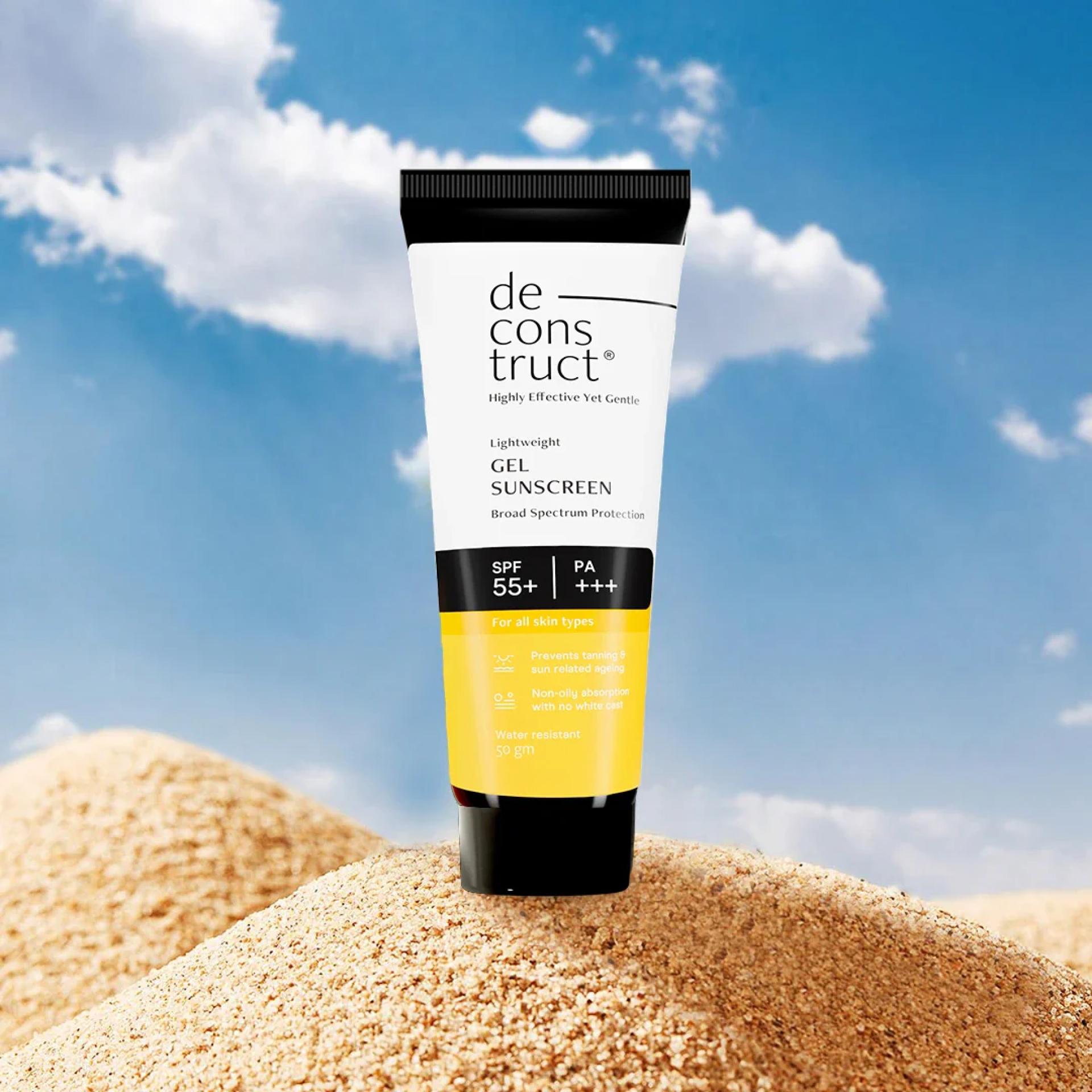
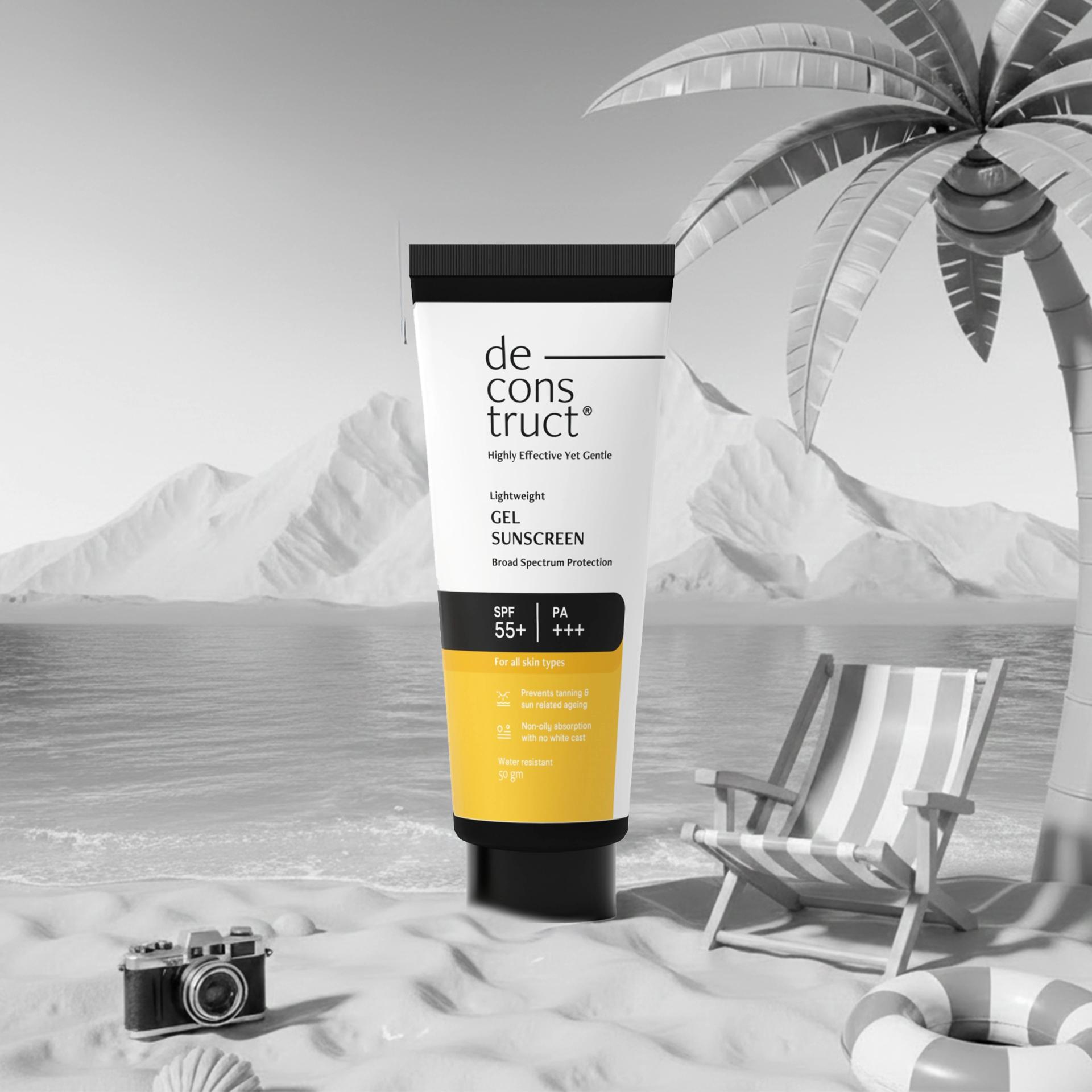
Deconstruct Gel Sunscreen offers SPF 55+ and PA+++, protecting the skin from both:
- UVB rays (responsible for sunburn)
- UVA rays (linked to tanning, pigmentation, and premature aging)
Because the SPF is in-vivo tested, users can trust that the protection level holds up in real conditions.
Lightweight Gel Texture for Oily Skin
One of the biggest sunscreen complaints—especially among oily and acne-prone users—is heaviness and greasiness. Deconstruct addresses this with:
- A fast-absorbing gel formula
- Matte, non-sticky finish
- No visible white cast
This makes it suitable for daily wear, even under makeup.
Ingredient Technology That Supports Protection
Deconstruct Gel Sunscreen uses a combination of modern UV filters that work together to provide stable and effective protection. These filters absorb and deflect harmful UV rays while remaining lightweight on the skin.
Additionally, hydrating components help maintain skin comfort without clogging pores—an important factor for oily skin types.
Clean & Conscious Formulation
Beyond UV protection, Deconstruct Sunscreen checks several boxes that modern consumers care about:
- No parabens, silicones, SLS, or added fragrance
- Cruelty-free and vegan
- Designed for Indian weather and skin concerns
These factors, combined with in-vivo SPF testing, strengthen its credibility as a daily sunscreen choice.
Why In-Vivo Testing Matters for Indian Skin
Indian skin is often exposed to:
- High UV index levels
- Heat and humidity
- Increased risk of tanning and pigmentation
An in-vivo tested sunscreen like Deconstruct ensures that the SPF rating is not just theoretical but effective under conditions similar to everyday Indian sun exposure.
Who Should Use Deconstruct Gel Sunscreen?
This sunscreen is particularly suitable for:
- Oily and combination skin types
- People who avoid sunscreen due to greasiness
- First-time sunscreen users looking for a lightweight option
- Anyone prioritizing clinically proven, in-vivo tested sunscreen
Final Verdict: Is Deconstruct Sunscreen Truly Clinically Proven?
If you’re looking for a sunscreen that goes beyond marketing claims, Deconstruct Gel Sunscreen for Oily Skin stands out as a clinically validated, in-vivo tested sunscreen with real-world performance.
Its combination of verified SPF testing, lightweight gel texture, and skin-friendly formulation makes it a reliable option for daily sun protection—especially for oily skin users who often skip sunscreen altogether.



























Sign in to leave a comment.