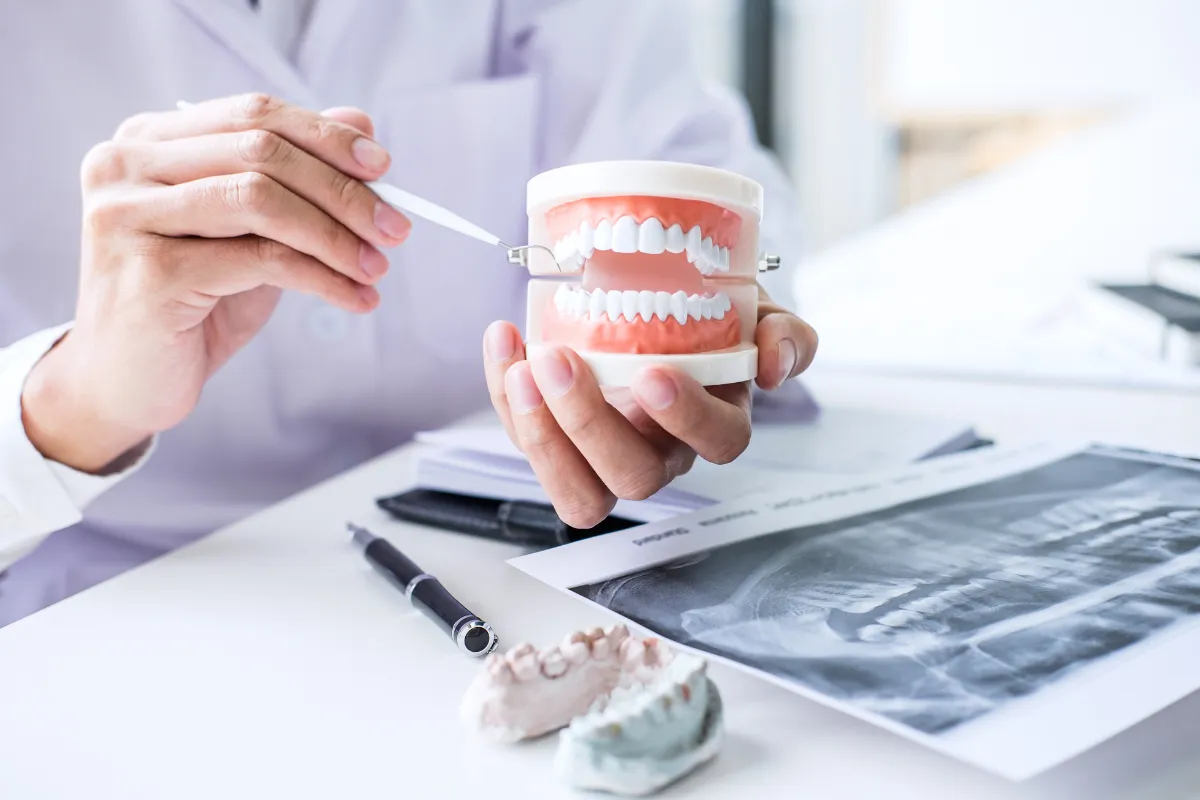

Have you ever wondered why your neighbor got braces for six months while you needed two years? Or why your coworker's kid got a simple retainer and yours needed something more? You are not alone. Many parents and adults ask this question every week.
Two smiles can look almost the same on the outside. But teeth tell a bigger story than what you see in the mirror. Bite patterns, jaw growth, and root position all play a part. This is exactly why an experienced orthodontist in Rochester looks past the surface before building a treatment plan.
In this post, we will break down why treatment plans differ, what factors matter most, and how you can feel confident about your own dental path.
Teeth Are Only Part of the Picture
When people compare smiles, they usually look at crowding or gaps. But orthodontists check much more than that. Two people can have crooked front teeth that look identical, yet the reason behind each case can be totally different.
One patient might have a narrow jaw that pushes teeth together. Another might have extra space loss from a baby tooth that fell out too early. The teeth may look alike, but the root cause is not the same. That is why cookie cutter treatment plans do not work well in real practice.
Bite Alignment Changes Everything
Your bite is how your upper and lower teeth meet when you chew or talk. Even a small shift in bite can change your whole treatment plan.
Some common bite issues include:
- Overbite – upper teeth sit far over the lower teeth
- Underbite – lower teeth sit in front of the upper teeth
- Crossbite – some upper teeth sit inside the lower teeth
- Open bite – front teeth do not touch when the mouth is closed
Two patients can have the same amount of crowding but very different bites. One case might need simple aligners. The other might need braces with rubber bands or even growth guidance for kids. This is one reason why an orthodontist near me search often leads families to a full exam instead of a quick guess based on photos alone.
Age and Jaw Growth Matter A Lot
A child's jaw is still growing. An adult's jaw is done growing. This single fact changes treatment more than almost anything else.
For a growing child, an orthodontist can sometimes guide the jaw into a better shape using simple appliances. This can prevent bigger problems later. For an adult with the same crowding, jaw guidance is not possible anymore. Treatment may need braces, aligners, or in rare cases, work with a dental surgeon.
So even if a parent and their teenager have nearly the same crowding, the treatment plan will look very different because of age alone.
Root Position and Bone Health
X-rays show what the naked eye cannot. Two smiles can look the same, but the roots underneath may sit at different angles. Bone density and gum health also play a role.
A patient with strong, healthy bone can often move teeth faster and with fewer risks. A patient with thinner bone or gum concerns may need a slower, gentler plan. This keeps teeth safe and stable for the long run.
Daily Habits Affect The Plan Too
Habits like thumb sucking, mouth breathing, or teeth grinding can shape how teeth sit, even if the starting smile looks normal. Orthodontists ask about these habits during an exam because they often explain why treatment needs a certain approach.
For example, a child who breathes through their mouth at night may need airway focused care along with straightening. Skipping this step could mean the teeth shift back after treatment ends.
Why a Personal Exam Beats Guesswork
Online photos and quick comparisons cannot replace a real exam. Digital scans, X-rays, and a hands on check let an orthodontist build a plan made for your mouth, not a general case.
This is the same reason a trusted orthodontist in Rochester will always start with a full exam before talking about brackets, aligners, or timelines. Skipping this step can lead to treatment that takes longer or does not hold up well over time.
Local Life and Your Smile
Local weather, sports, and daily routines can shape treatment choices too. Many families here stay active with youth hockey, soccer, and swim teams through the school year. Mouthguards and appliance choices often need to work around these activities. Cold winters can also make some patients sensitive to certain retainers, so material choice matters. A plan built around your actual daily life tends to work better and last longer.
What This Means For You
If you or your child need orthodontic care, do not compare your case to someone else's, even if the smiles look close. Your treatment should match your bite, your jaw growth, your habits, and your goals.
The good news is that modern orthodontic care is more precise than ever. Digital scans and clear imaging help your provider build a plan that fits your mouth alone.
Frequently Asked Questions
1. Why did my friend finish treatment faster than me if we had similar teeth?
Treatment speed depends on bite depth, root position, jaw growth, and how well teeth respond to movement. Two similar smiles can still need different amounts of time.
2. Can two siblings need different types of braces?
Yes. Even siblings can have different jaw shapes, bite patterns, or growth timing, which changes what type of treatment works best.
3. Does age really change how treatment works?
Yes. Growing jaws respond to guidance in ways that fully grown jaws cannot. This is one of the biggest factors in planning care.
4. Why do I need X-rays if my teeth look straight already?
X-rays show root position, bone levels, and hidden issues like impacted teeth that are not visible from the outside.
5. Can teeth grinding affect my treatment plan?
Yes. Grinding can wear down teeth and shift bite pressure, which may call for a different retainer or appliance plan.
6. Will my treatment plan change once it starts?
Sometimes. Orthodontists check progress regularly and may adjust the plan if teeth move faster or slower than expected.
7. Is it normal to need a different treatment than a family member?
Yes, this is very common. Genetics play a role, but jaw growth, habits, and bite differences still make each case unique.
8. How do I know which treatment option is right for me?
The only real way to know is through a full exam with digital scans and X-rays. This gives a clear, honest picture of what your smile needs.
Ready For Your Own Answers?
No two smiles need the exact same care, even when they look alike at first glance. The best way to know what your teeth truly need is a real conversation backed by a full exam. If you are searching for an orthodontist near me and want a plan built around your own mouth, our team is ready to help.
Schedule an consultation with Bateman Orthodontics today and get a clear, honest plan made just for you.


























Sign in to leave a comment.