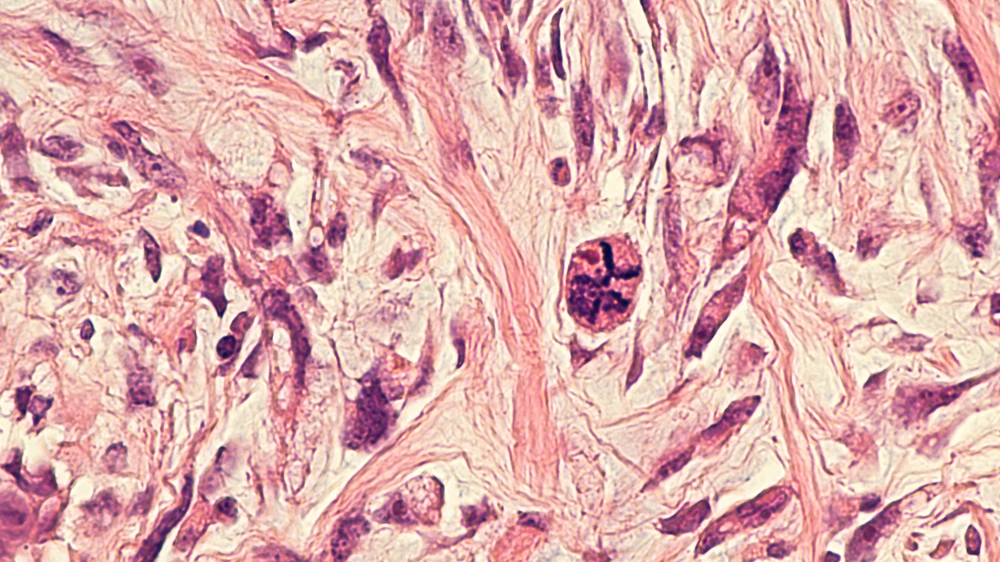

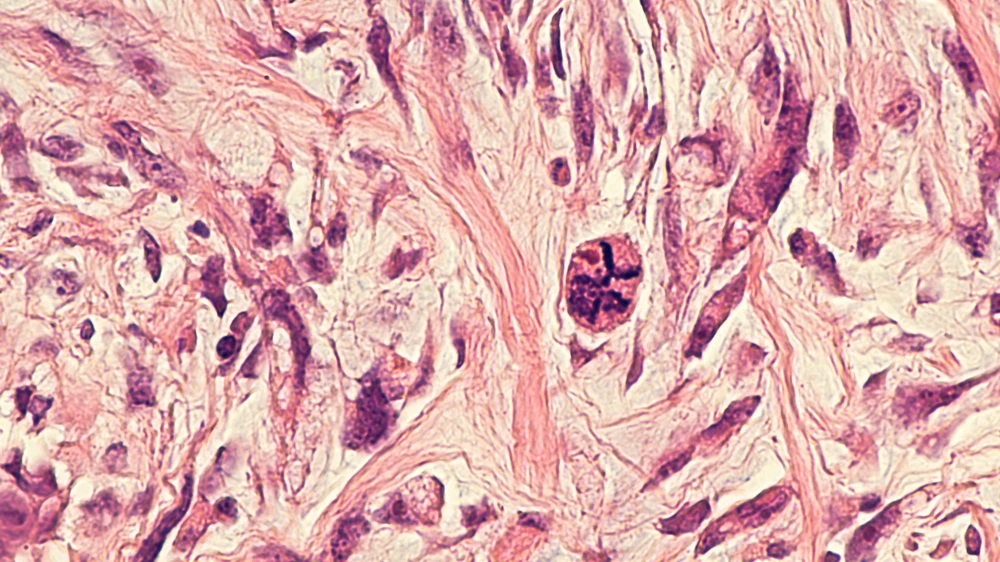
Phyllodes tumors are rare fibroepithelial breast tumors that account for less than 1% of all breast tumors. These tumors can be benign, borderline, or malignant, depending on their cellular characteristics. Unlike other breast cancers, phyllodes tumors primarily originate in the connective tissue (stroma) of the breast rather than the ducts or lobules. Understanding the phyllodes tumor causes is essential for early detection and proper management. This blog explores the key factors and risk considerations associated with phyllodes tumors, providing insight into this uncommon yet significant condition.
What Are Phyllodes Tumors?
Phyllodes tumors, derived from the Greek word "phyllodes," meaning "leaf-like," are named for their characteristic leaf-like growth pattern under the microscope. These tumors can vary in size and grow rapidly, causing noticeable changes in the breast. They are distinct from more common types of breast cancers, such as ductal carcinoma, because of their origin in the stromal tissue rather than glandular structures.
Phyllodes tumors are classified into three categories: benign, borderline, and malignant. While benign phyllodes tumors are non-cancerous and generally slow-growing, malignant ones have the potential to metastasize, most commonly to the lungs or bones. Regardless of classification, all phyllodes tumors require medical evaluation due to their potential for recurrence and complications.
What Causes Phyllodes Tumors?
The exact phyllodes tumor causes remain unknown, but several factors and hypotheses have been proposed based on clinical studies and genetic research. While much is still to be learned about this rare tumor type, researchers have identified a few potential causes and contributing factors.
1. Genetic Mutations
One of the most well-studied aspects of phyllodes tumors is the presence of genetic mutations. Studies have identified mutations in specific genes such as MED12 and TP53, which are also linked to other types of cancers. These genetic abnormalities may lead to uncontrolled cell growth and the development of phyllodes tumors. Research continues to explore whether these mutations occur spontaneously or are inherited.
2. Hormonal Factors
Hormonal fluctuations may play a role in the development of phyllodes tumors, although this relationship is not fully understood. The prevalence of these tumors in premenopausal women suggests that hormonal changes during the reproductive years may contribute. Additionally, some studies have noted the presence of estrogen and progesterone receptors in phyllodes tumors, which could indicate a link to hormone regulation.
3. Previous Radiation Exposure
Women who have undergone radiation therapy to the chest or breast area, especially for other cancers, may have an increased risk of developing phyllodes tumors. Radiation exposure can cause cellular damage and mutations, potentially leading to tumor development in the connective tissue.
4. Breast Trauma or Surgery
In some cases, breast trauma or prior surgical procedures, including biopsies or lumpectomies, have been associated with the development of phyllodes tumors. Although the exact mechanism remains unclear, these events may alter the breast tissue environment in a way that promotes tumor growth.
5. Family History of Breast Tumors
While phyllodes tumors are not typically associated with hereditary syndromes, a family history of breast tumors or other connective tissue abnormalities may increase susceptibility. This could be due to shared genetic predispositions or environmental exposures.
6. Environmental and Lifestyle Factors
Though not directly linked to phyllodes tumors, environmental exposures and lifestyle factors, such as diet, smoking, and exposure to carcinogens, are being investigated as potential contributors. These factors may indirectly affect tumor risk by influencing overall health or immune function.
Symptoms of Phyllodes Tumors
Early detection of phyllodes tumors often depends on recognizing the symptoms. Since these tumors can grow quickly, they may cause noticeable changes in the breast within a short period. Common symptoms include:
- Lump or Mass: A firm, palpable lump in the breast that is typically painless.
- Rapid Growth: Unlike other breast tumors, phyllodes tumors tend to grow rapidly and may double in size within a few weeks or months.
- Skin Changes: The skin over the tumor may appear stretched, shiny, or discolored due to the tumor's size.
- Nipple Changes: In some cases, the nipple may become displaced or inverted as the tumor enlarges.
- Breast Pain or Discomfort: Although not always present, some individuals may experience pain or discomfort in the affected breast.
It’s important to note that the presence of these symptoms does not confirm a phyllodes tumor diagnosis, as they can also be indicative of other breast conditions. A thorough medical evaluation, including imaging and biopsy, is necessary for an accurate diagnosis.
Diagnosis of Phyllodes Tumors
The diagnostic process for phyllodes tumors involves a combination of physical examination, imaging studies, and tissue sampling. Key steps include:
- Physical Examination: A healthcare provider will assess the breast for lumps, skin changes, and other abnormalities.
- Imaging Tests: Mammograms and ultrasounds are commonly used to visualize the tumor and evaluate its size and characteristics.
- Biopsy: A core needle biopsy or surgical biopsy is essential for confirming the diagnosis. Pathological examination of the tissue sample determines whether the tumor is benign, borderline, or malignant.
- MRI: In some cases, magnetic resonance imaging (MRI) may be used to provide detailed images of the tumor and surrounding tissue.
Treatment Options for Phyllodes Tumors
The treatment approach for phyllodes tumors depends on their classification (benign, borderline, or malignant) and individual patient factors. Common treatment options include:
1. Surgical Excision
Surgery is the primary treatment for all types of phyllodes tumors. The goal is to remove the tumor along with a margin of healthy tissue to reduce the risk of recurrence. Surgical options include:
- Lumpectomy: Removal of the tumor and a small margin of surrounding tissue.
- Mastectomy: Removal of the entire breast, typically reserved for large tumors or recurrent cases.
2. Radiation Therapy
Radiation therapy may be recommended for borderline or malignant phyllodes tumors, especially if the surgical margins are not clear or if the tumor has a high risk of recurrence.
3. Chemotherapy
While chemotherapy is not commonly used for phyllodes tumors, it may be considered in cases of metastatic malignant tumors. The decision to use chemotherapy depends on factors such as the tumor’s size, grade, and spread.
4. Regular Monitoring
For benign phyllodes tumors, regular follow-up and imaging may be sufficient if the tumor is small and not causing symptoms. However, any changes in size or symptoms should be promptly evaluated.
Prognosis and Risk of Recurrence
The prognosis for phyllodes tumors varies based on their classification:
- Benign Tumors: Generally have an excellent prognosis, with a low risk of recurrence after surgical removal.
- Borderline Tumors: Have a moderate risk of recurrence, and close monitoring is essential.
- Malignant Tumors: Can metastasize and have a higher recurrence rate, but early detection and aggressive treatment improve outcomes.
Recurrent phyllodes tumors often require additional surgery, and malignant tumors may necessitate systemic treatments to manage metastasis.
Read Also: What Is Follicular Lymphoma? Symptoms, Causes, and Treatments
Conclusion: The Importance of Early Detection
Understanding the phyllodes tumor causes and recognizing the associated symptoms can lead to early detection and timely intervention. While these tumors are rare, their potential to grow rapidly and cause complications underscores the importance of regular breast self-exams and routine screenings. If you notice any unusual changes in your breast, consult a healthcare provider promptly for evaluation.
For individuals diagnosed with phyllodes tumors or other breast conditions, participating in breast cancer clinical trials can provide access to innovative treatments and contribute to advancements in cancer research. Clinical trials play a critical role in improving our understanding of rare conditions like phyllodes tumors and developing more effective therapies for all patients.





























Sign in to leave a comment.