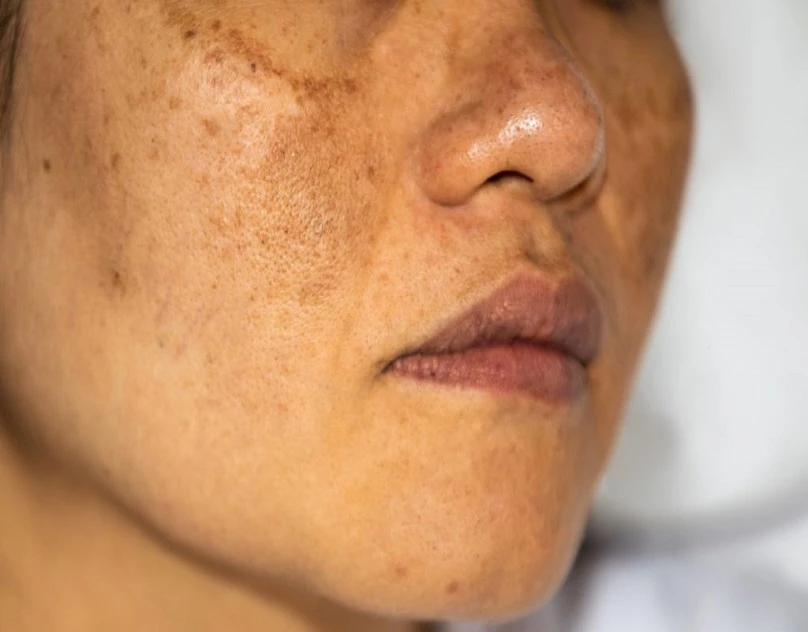

Treating pigmentation in darker skin tones requires special consideration to avoid potential complications such as post-inflammatory hyperpigmentation (PIH) or hypopigmentation. Here are some safe and effective options for Pigmentation Treatment In Dubai in dark skin:
Topical Treatments:
Hydroquinone: While hydroquinone is effective for lightening pigmentation, it should be used cautiously in darker skin tones due to the risk of causing post-inflammatory hyperpigmentation. It's essential to use low concentrations (2% or less) and avoid prolonged use.Kojic Acid: Kojic acid is a natural skin-lightening agent derived from mushrooms. It can be effective for reducing pigmentation in dark skin without as much risk of PIH as hydroquinone.Azelaic Acid: Azelaic acid is a gentle yet effective treatment for pigmentation and acne in darker skin tones. It works by inhibiting melanin production and reducing inflammation.Vitamin C: Vitamin C serums can help brighten dark spots and even out skin tone in dark skin. Look for stable formulations containing L-ascorbic acid for optimal results.Chemical Peels:
Glycolic Acid Peels: Glycolic acid peels are mild chemical peels that can help exfoliate the skin and improve pigmentation. They are generally safe for darker skin tones when performed by a skilled professional.Mandelic Acid Peels: Mandelic acid is an alpha hydroxy acid (AHA) that is less irritating than glycolic acid and suitable for darker skin tones. It can help reduce pigmentation and improve overall skin texture.Lactic Acid Peels: Lactic acid is another gentle AHA that can help lighten pigmentation and promote skin renewal without causing excessive irritation or inflammation.Microneedling:
Microneedling, also known as collagen induction therapy, involves creating tiny micro-injuries in the skin to stimulate collagen production and promote cell turnover. It can help improve pigmentation, acne scars, and overall skin texture in dark skin tones.Laser Therapy:
Q-Switched Nd:YAG Laser: This type of laser is safe for dark skin and can effectively target pigmentation, including melasma and post-inflammatory hyperpigmentation. It works by delivering short pulses of high-energy light to break down excess melanin in the skin.Fractional Laser Resurfacing: Fractional laser treatments create microscopic treatment zones in the skin, stimulating collagen production and replacing damaged skin cells with healthier ones. Fractional lasers are safer for darker skin tones compared to traditional ablative lasers.Sun Protection:
Sun protection is crucial for preventing further pigmentation and protecting dark skin from UV damage. Encourage the use of broad-spectrum sunscreen with a high SPF, sun-protective clothing, and hats when outdoors.Consultation with a Dermatologist:
It's essential for individuals with dark skin to consult with a dermatologist or skincare professional experienced in treating pigmentation in darker skin tones. They can assess your skin, determine the underlying cause of pigmentation, and recommend the most appropriate treatment options tailored to your needs and skin type.When considering pigmentation treatment for dark skin, it's essential to prioritize safety and minimize the risk of adverse effects such as post-inflammatory hyperpigmentation or hypopigmentation. Always follow the guidance of a qualified skincare professional and practice sun protection to maintain the results of treatment.

























Sign in to leave a comment.