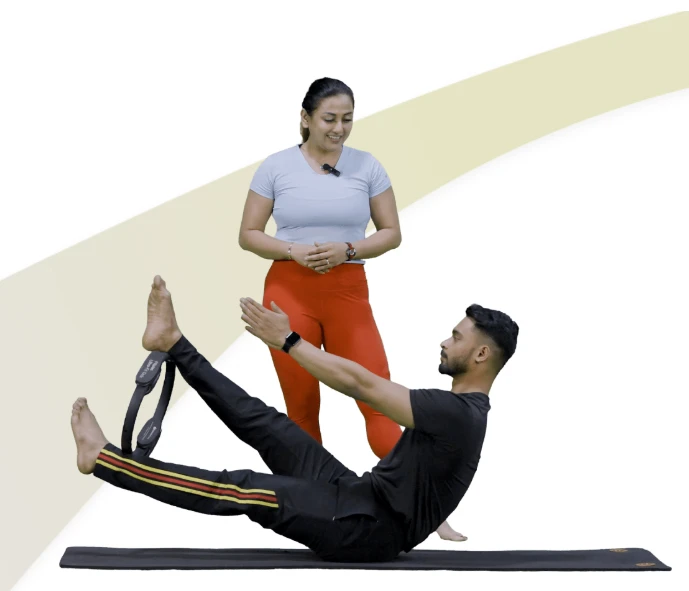

Pilates is no longer a boutique curiosity—it’s become a mainstream pillar of modern fitness, named Pilates fitness. Across studios, living rooms and hybrid classes, people are turning to Pilates for low-impact strength, better mobility and mental calm. Data from bookings platforms and market reports show Pilates climbing the ranks of the world’s most-booked workouts, and studios and equipment makers are responding with new class formats, tech and product lines.
What’s changing right now
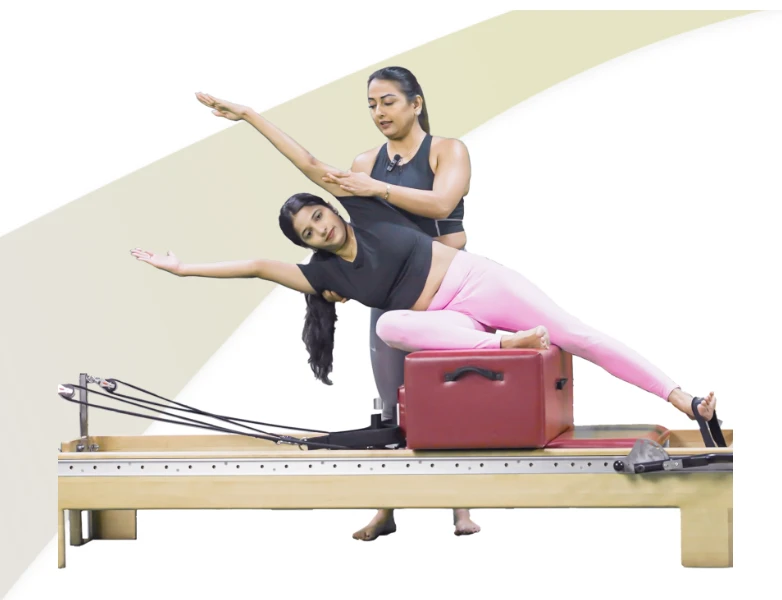
A few big shifts define Pilates in 2025. First, reformer-based classes remain a dominant driver of interest, pushed by social-media visibility and the machine’s obvious “results” promise. At the same time, accessible variations—standing Pilates, mat + light-weights flows, and short, high-intensity Pilates hybrids—are expanding the audience by meeting people where they are (time, space and ability). Studios are also offering more personalized small-group pods and micro-courses aimed at specific outcomes: postpartum recovery, back rehab, athletic performance or mobility.
Evidence-backed benefits (what studies say)
Beyond trends and aesthetics, recent peer-reviewed studies continue to support Pilates’ physical and mental benefits. Reformer Pilates interventions have been associated with improved body composition, strength and reductions in anxiety and depressive symptoms in some populations. Systematic reviews and clinical trials point to pain reduction, improved function in musculoskeletal conditions, and gains in balance and lower-limb strength—though the certainty and magnitude of effects vary between studies and populations. In short: Pilates is a credible option for strength, rehab and mental wellbeing when programs are appropriately matched to the individual.
Why Pilates works (simple science)
Pilates emphasizes controlled movement, breath, core engagement and neuromuscular control. Those principles build muscular endurance, improve motor control and encourage better posture and movement patterns. Because it’s low impact and scalable, Pilates can be continued long term — which is critical, because consistency is the main predictor of fitness gains. Recent reviews also highlight Pilates’ role in reducing pain and improving quality of life for people with chronic musculoskeletal issues when used alongside other interventions.
Trends to watch
- Hybrid & micro sessions — 15–30 minute standing or reformer mini-workouts that target mobility and stability. These fit busy schedules and are proving effective for adherence.
- Wellness meets fashion/social — Reformer classes are driving lifestyle aesthetics on social platforms, bringing Gen-Z and younger users into studios.
- Pelvic floor and rehab focus — More classes are integrating pelvic health, prenatal/postnatal care and evidence-based rehab protocols.
- Industry growth & equipment innovation — Market forecasts show steady expansion for Pilates studios and equipment, meaning easier access and more varied class formats.
Practical tips — how to choose a Pilates class (for every level)
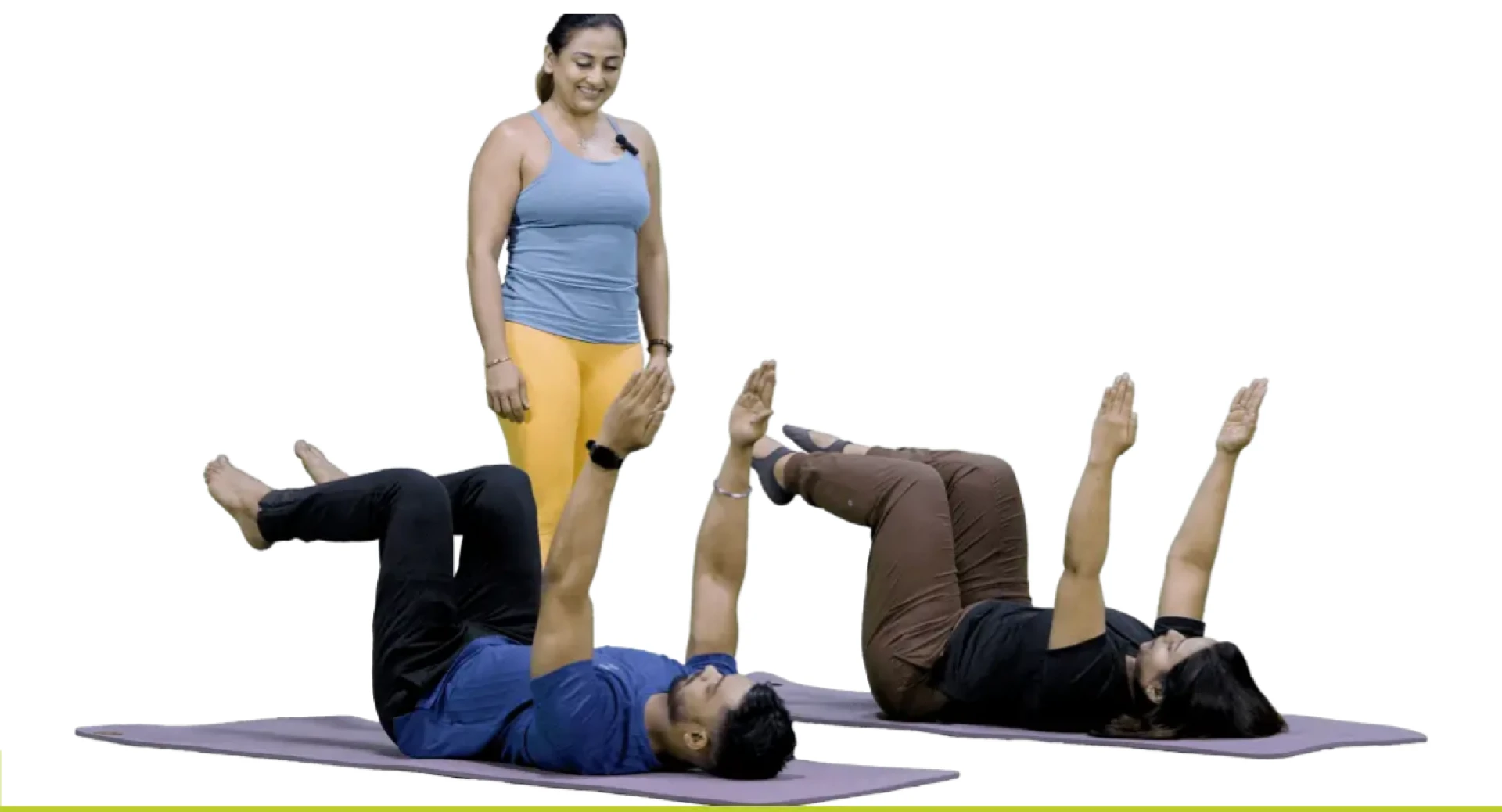
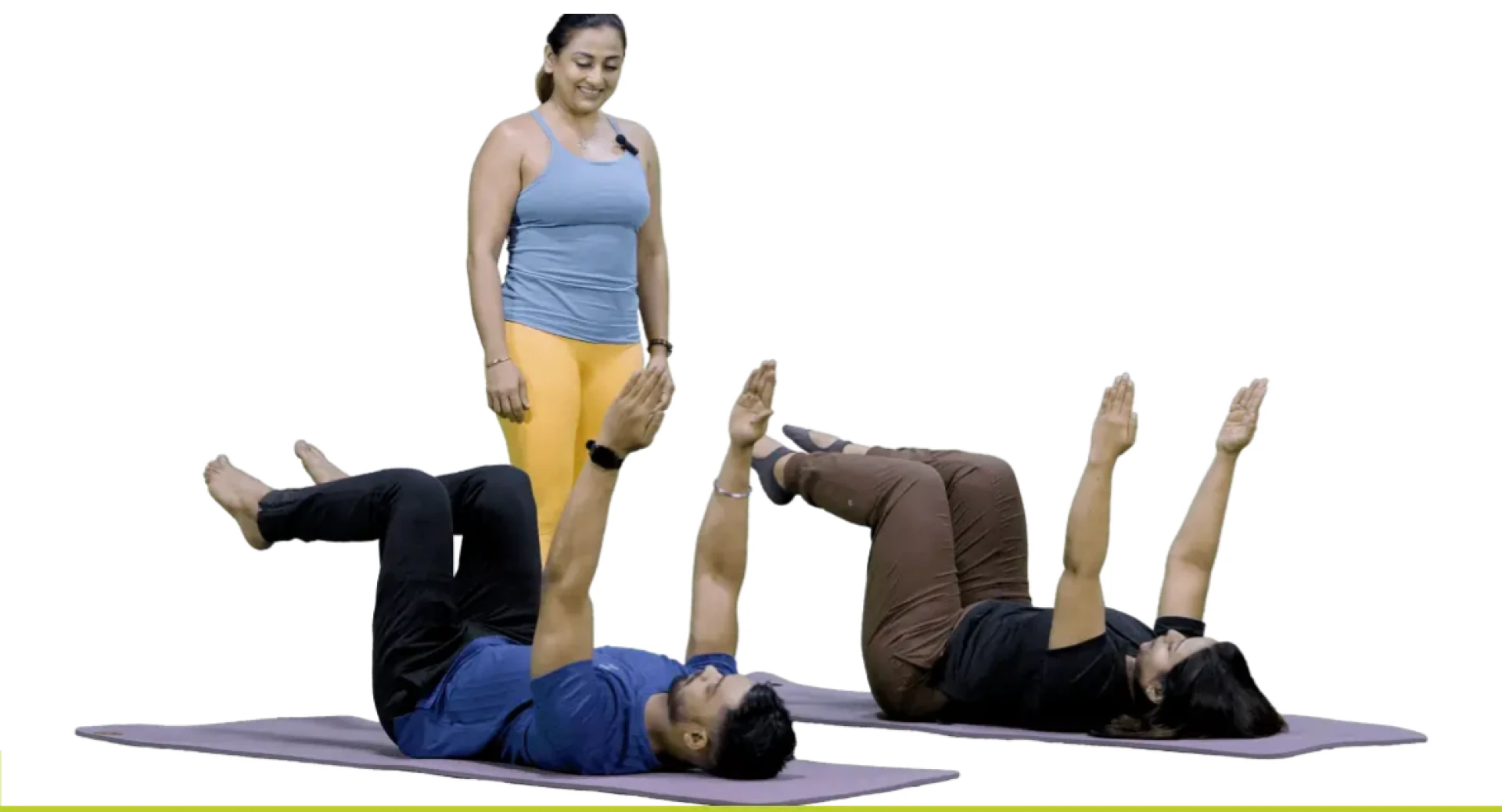
- Beginners: start with mat classes or beginner reformer sessions focused on technique. Look for cueing that prioritizes breathing, alignment and slow progression.
- Returning from injury: choose instructors with rehabilitation experience or classes labeled “therapeutic”/“clinical Pilates.” Communicate any limitations before class.
- Short on time: try standing Pilates or quick 15-minute circuits—these preserve core principles and are easy to repeat across the week.
- Looking for results: combine regular Pilates with one or two weekly strength sessions (weights or heavier resistance) to maximize muscle and bone health.
Bottom line
Pilates in 2025 is both trendy and substantive: it’s growing because it delivers tangible strength, mobility and mental-health benefits while remaining adaptable for different ages, goals and constraints. Whether you want to rehab an old injury, build a resilient core or simply move more mindfully in less time, Pilates now offers more pathways and evidence-informed options than ever. Choose an approach that matches your goals, stay consistent, and use reputable instructors—Pilates rewards patience and precision.



























Sign in to leave a comment.