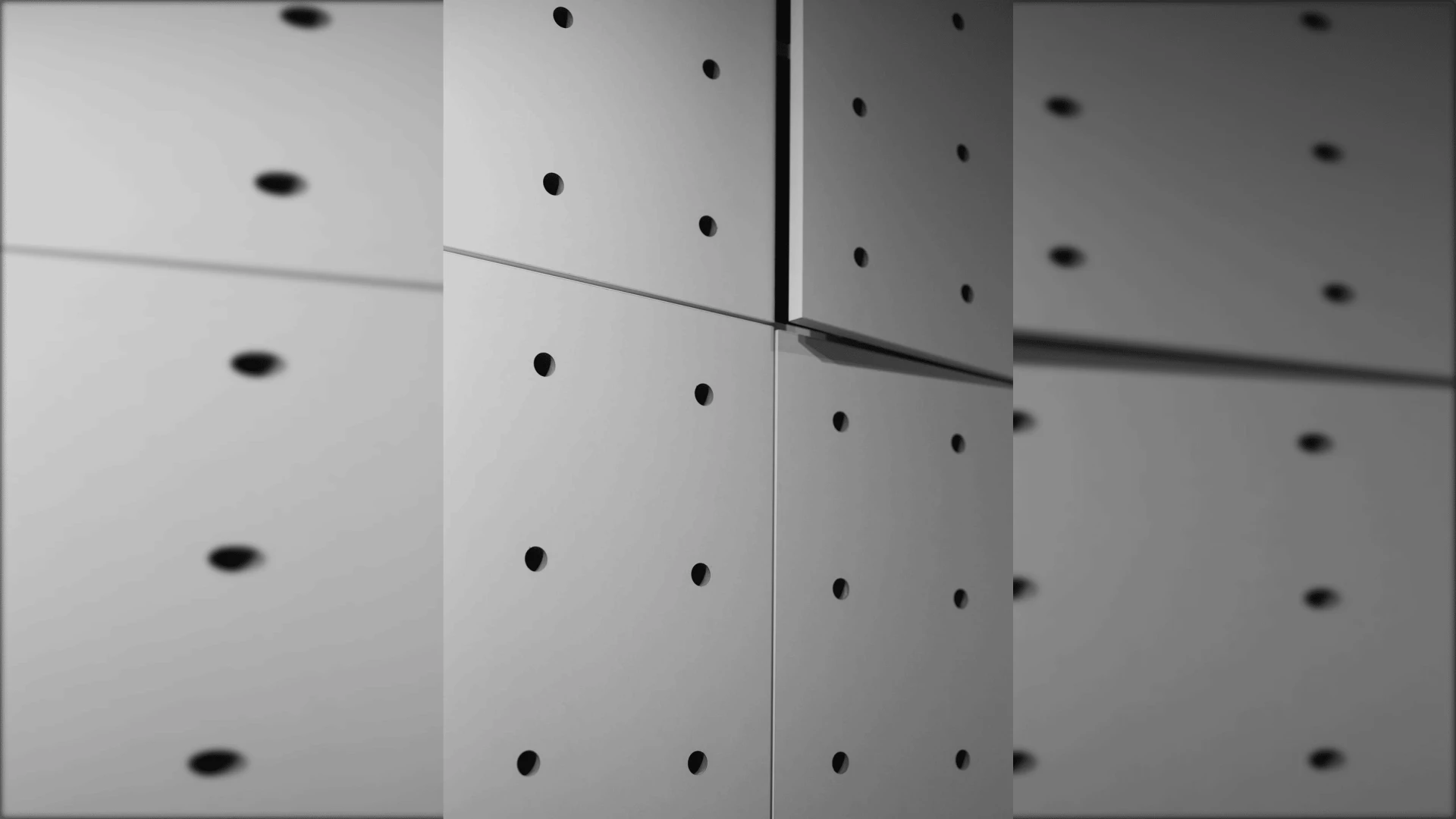

When it comes to functional wall space, the humble pinboard has long been a staple of offices, classrooms, and home studios. It is the original "analog cloud"—a place to store ideas, reminders, and inspiration. However, as interior design has evolved to favor open-plan layouts and hard surfaces like glass and polished concrete, a new contender has emerged: the acoustic pinboard.
If you are currently specing a project or upgrading your workspace, you might wonder if a standard board suffices or if the acoustic upgrade is worth the investment. This guide breaks down the practical differences to help you choose.
Understanding the Basics
The traditional pinboard is typically made from cork, linoleum, or a thin layer of fabric over a softboard core. Its primary job is simple: hold a pushpin securely. While effective for organization, these materials offer very little in the way of environmental enhancement.
In contrast, an acoustic pinboard is engineered from high-density, compressed polyester felt (often recycled PET). This material is porous and fibrous, designed specifically to trap sound waves. While it performs the task of a pinboard perfectly—often with "self-healing" properties that hide pinholes better than cork—its secondary function is noise mitigation.
The Comparison at a Glance
Primary Materials
- Standard Pinboard: Usually constructed from traditional cork, linoleum, or a wood-fiber softboard core.
- Acoustic Pinboard: Engineered from high-density, compressed PET felt or polyester, often sourced from recycled plastics.
Noise Control & Acoustics
- Standard Pinboard: Provides minimal to no sound absorption; sound waves tend to bounce off the surface.
- Acoustic Pinboard: Specifically designed for high performance, measured by NRC (Noise Reduction Coefficient) ratings to dampen room echo.
Durability and Longevity
- Standard Pinboard: Can be prone to crumbling, drying out, or showing permanent "pockmarks" from frequent pinning over time.
- Acoustic Pinboard: Highly durable and impact-resistant; the felt material is "self-healing," meaning pinholes disappear once the pin is removed.
Aesthetics and Design
- Standard Pinboard: Offers a traditional or industrial look, usually requiring a frame for structural integrity.
- Acoustic Pinboard: Features a sleek, modern, and often frameless design available in a wide variety of multi-tonal colors and custom shapes.
Eco-Friendliness
- Standard Pinboard: Often uses natural materials like cork, though some binders can be synthetic.
- Acoustic Pinboard: A champion of sustainability, frequently manufactured from 60% or more post-consumer recycled plastic bottles.
When to Stick with a Standard Pinboard
If you are working within a tight budget and the room is already "acoustically soft"—meaning it has heavy carpets, thick curtains, and upholstered furniture—a standard pinboard is likely all you need. They are excellent for low-traffic areas or residential kitchens where the goal is simply to pin up a grocery list or a few Polaroids.
When the Acoustic Pinboard is Essential
In modern architecture, "echo" is the enemy of productivity. You should opt for an acoustic pinboard if your space fits any of the following:
- The Open-Plan Office: Shared spaces are notorious for "the cocktail party effect," where everyone speaks louder to be heard over the background hum. Acoustic boards help dampen this ambient chatter.
- Hard Surface Environments: Rooms with floor-to-ceiling glass, hardwood floors, or concrete walls bounce sound around like a pinball. A large-format acoustic pinboard acts as a "sonic sponge."
- Video Conferencing Hubs: If you spend your day on Zoom or Teams, an acoustic board behind your monitor or on the opposite wall can significantly reduce the "hollow" sound of your voice, making you sound more professional to your listeners.
The Verdict
While the standard pinboard is a classic for a reason, the acoustic pinboard is the smarter choice for the modern, high-performance workspace. It solves two problems at once: it clears your desk of clutter and it clears your mind of distracting echoes.


























Sign in to leave a comment.