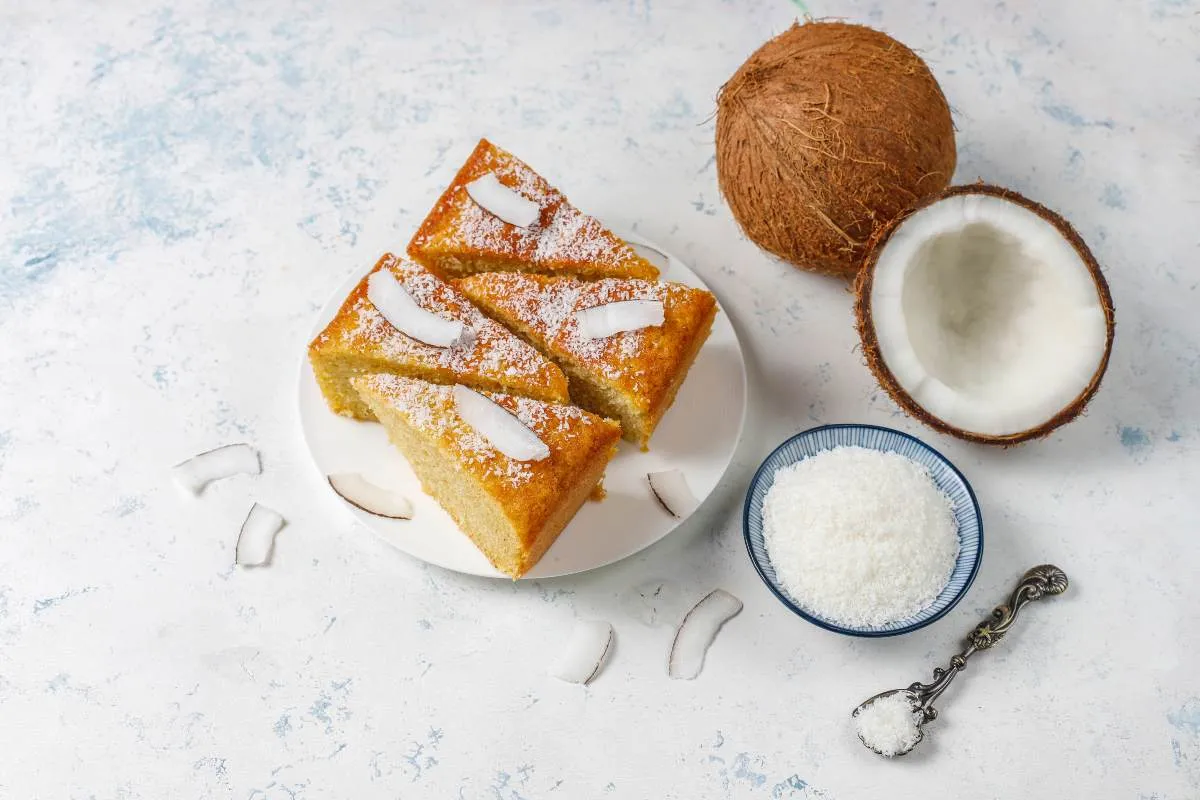

There's something almost magical about the moment a fork sinks into a slice of Pineapple Coconut Cake. The crumb gives way soft and tender, the tang of pineapple hits first, and then the toasted coconut rounds everything out with a nutty, sun-warmed finish. It's the kind of dessert that turns an ordinary Tuesday into something worth remembering, and it's exactly why this cake has become one of the most requested bakes here at Devine Dishes.
If you've ever wondered how to make a Tropical Pineapple Coconut Cake that tastes like it came from a beachside bakery, without needing special equipment or rare ingredients, you're in the right place. This guide walks through everything: the science behind the moisture, the techniques that separate a good cake from a great one, ingredient substitutions, storage tips, and answers to the questions bakers ask most. Along the way, we'll point you toward a few other Devine Dishes favorites worth exploring, including our Pistachio Cake Recipe, our classic Pound Cake, and our bright, citrusy Moist Orange Cake Recipe.
The Story Behind Pineapple Coconut Cake
Pineapple has been a symbol of hospitality and celebration since it was first introduced to Western kitchens centuries ago, and coconut has long been a staple ingredient across island and coastal cuisines. When canned crushed pineapple became widely available in the 20th century, home bakers began experimenting with pineapple in cakes, most famously in pineapple upside-down cake. Pairing it with coconut was a natural evolution, since both ingredients share a tropical origin and a complementary flavor profile: pineapple's bright acidity plays beautifully against coconut's rich, mellow sweetness.

Today, Old-Fashioned Pineapple Coconut Cake recipes are treasured family heirlooms in many households, often passed down alongside handwritten recipe cards. Modern versions, like the one we're sharing here, keep that nostalgic flavor while streamlining the technique for today's home bakers.
Essential Ingredients for the Best Pineapple Coconut Cake
Before diving into the method, let's talk about what goes into a truly outstanding Moist Pineapple Coconut Cake.
The Cake Base
- All-purpose flour – Provides structure without making the cake dense. Cake flour can be substituted for an even more tender crumb.
- Crushed pineapple – Use canned crushed pineapple in juice (not syrup) for the best balance of sweetness and moisture. Do not drain it fully; the juice is essential to the cake's texture.
- Shredded coconut – Sweetened or unsweetened both work, though sweetened coconut will add a touch more sugar and chew. Toasting it beforehand deepens the flavor significantly.
- Buttermilk or coconut milk – Either adds tang and tenderness. Coconut milk reinforces the tropical flavor profile even further.
- Eggs – Room temperature eggs incorporate more smoothly and help the cake rise evenly.
- Butter or neutral oil – Butter contributes flavor, while oil contributes extra moisture. Many bakers use a combination of both for the best of both worlds.
- Baking powder and baking soda – The acidity from the pineapple reacts with baking soda, giving the cake extra lift.
- Vanilla and coconut extract – A small amount of coconut extract intensifies the tropical flavor without overwhelming the batter.
The Frosting
Most versions of this cake are finished with a cream cheese frosting, which cuts through the sweetness of the pineapple and coconut with a tangy richness. A simple whipped coconut cream or a light glaze also works beautifully if you prefer something less rich.
How to Make Pineapple Coconut Cake: Step-by-Step
Step 1: Prep Your Ingredients
Drain the crushed pineapple over a bowl, reserving about a quarter cup of the juice for the frosting or a soaking syrup. Toast your shredded coconut in a dry skillet over medium-low heat for 3–5 minutes, stirring constantly, until it turns golden and fragrant. Let it cool completely before adding it to the batter.
Step 2: Cream the Butter and Sugar
Beat softened butter and sugar together until pale and fluffy, about 3–4 minutes. This step incorporates air into the batter, which is essential for a light, tender crumb rather than a dense one.
Step 3: Add Eggs and Wet Ingredients
Add eggs one at a time, beating well after each addition. Mix in vanilla and coconut extract, then fold in the drained crushed pineapple and buttermilk or coconut milk.
Step 4: Combine the Dry Ingredients
In a separate bowl, whisk together flour, baking powder, baking soda, and salt. Gradually add this to the wet mixture, mixing just until combined. Overmixing at this stage is the most common reason cakes turn out tough, so stop as soon as no streaks of flour remain.
Step 5: Fold in the Toasted Coconut
Gently fold in your cooled, toasted coconut with a spatula. This preserves the air you worked to incorporate earlier while distributing the coconut evenly throughout the batter.
Step 6: Bake
Pour the batter into prepared pans (two 9-inch round pans for a layer cake, or a 9x13 pan for a sheet cake) and bake at 350°F (175°C). A layer cake typically takes 28–32 minutes, while a sheet cake may need 35–40 minutes. The cake is done when a toothpick inserted in the center comes out clean or with just a few moist crumbs.
Step 7: Cool Completely
Let the cake cool in the pans for 10 minutes, then transfer to a wire rack to cool fully before frosting. Frosting a warm cake will cause the frosting to melt and slide, so patience here really does pay off.
Step 8: Frost and Decorate
Once cooled, spread cream cheese frosting between layers and over the top and sides. Finish with extra toasted coconut pressed onto the sides and top for a beautiful, textured presentation.
Easy Pineapple Coconut Cake: A Simplified Version for Busy Bakers
Not every day calls for a layered showpiece. For an Easy Pineapple Coconut Cake, skip the layering entirely:
- Bake the batter in a single 9x13 pan.
- Once cooled, poke holes across the top with a skewer.
- Pour the reserved pineapple juice mixed with a little sweetened condensed milk over the top, letting it soak in.
- Top with a simple whipped cream or cream cheese glaze and a scattering of toasted coconut.
This method takes roughly the same active time but skips the frosting-between-layers step, making it ideal for weeknight baking or last-minute gatherings.
Creamy Pineapple Coconut Cake: Elevating the Texture
If you want a Creamy Pineapple Coconut Cake that leans more toward a poke cake or tres leches-style dessert, consider these adjustments:
- Swap half the buttermilk for full-fat coconut milk to intensify creaminess.
- After baking, soak the cake with a mixture of coconut cream, sweetened condensed milk, and reserved pineapple juice.
- Top with a stabilized whipped cream frosting instead of traditional cream cheese frosting for an ultra-light, creamy finish.
- Refrigerate for at least 4 hours (or overnight) before serving, allowing the cake to fully absorb the creamy soak.
This variation shares some technique DNA with our Moist Chocolate Cake Recipe, where soaking and resting time is also key to achieving that signature ultra-moist texture.
Tips for Achieving the Perfect Moist Pineapple Coconut Cake
Getting a consistently Moist Pineapple Coconut Cake comes down to a handful of controllable factors:
- Don't skip the room-temperature ingredients. Cold eggs and butter don't emulsify properly, which can lead to a denser, less tender cake.
- Measure flour correctly. Spoon flour into your measuring cup and level it off rather than scooping directly from the bag, which can pack in too much flour and dry out the crumb.
- Reserve some pineapple juice. Using it in a soak or glaze after baking adds an extra layer of moisture and flavor that baking alone can't achieve.
- Don't overbake. Check for doneness a few minutes before the recipe's suggested time, since pineapple's sugar content can cause the edges to brown faster than the center finishes cooking.
- Wrap and rest. If time allows, wrap the cooled, unfrosted cake tightly in plastic wrap and let it rest for a few hours or overnight. This redistributes moisture throughout the crumb.
Ingredient Substitutions and Dietary Variations
Gluten-Free Pineapple Coconut Cake
Substitute a 1:1 gluten-free baking flour blend for all-purpose flour. Because gluten-free flours can behave differently with liquid, you may need to reduce the pineapple juice slightly or add an extra egg for structure.
Dairy-Free Version
Replace buttermilk with full-fat coconut milk mixed with a teaspoon of lemon juice or vinegar to mimic the tang. Use a dairy-free butter substitute or neutral oil, and swap the cream cheese frosting for a coconut whipped cream topping.
Reduced-Sugar Option
Since pineapple already contributes natural sweetness, you can reduce the granulated sugar in the batter by up to 20% without significantly affecting texture. Just be mindful that sugar also contributes to browning and moisture retention, so don't cut it too aggressively.
Cupcake Version
This batter converts beautifully into cupcakes. Fill liners about two-thirds full and bake at 350°F for 18–20 minutes. This is a great option for parties, since individual portions make serving effortless.
Storage and Make-Ahead Tips
- Room temperature: An unfrosted cake can be stored, tightly wrapped, at room temperature for up to 2 days.
- Refrigerated: Once frosted with cream cheese frosting, store the cake in the refrigerator for up to 5 days. Bring slices to room temperature before serving for the best flavor and texture.
- Freezing: Unfrosted cake layers freeze exceptionally well. Wrap each layer tightly in plastic wrap, then foil, and freeze for up to 3 months. Thaw overnight in the refrigerator before frosting.
- Make-ahead frosting: Cream cheese frosting can be made up to 3 days in advance and stored in an airtight container in the refrigerator. Let it soften at room temperature before spreading.
Serving Suggestions and Pairings
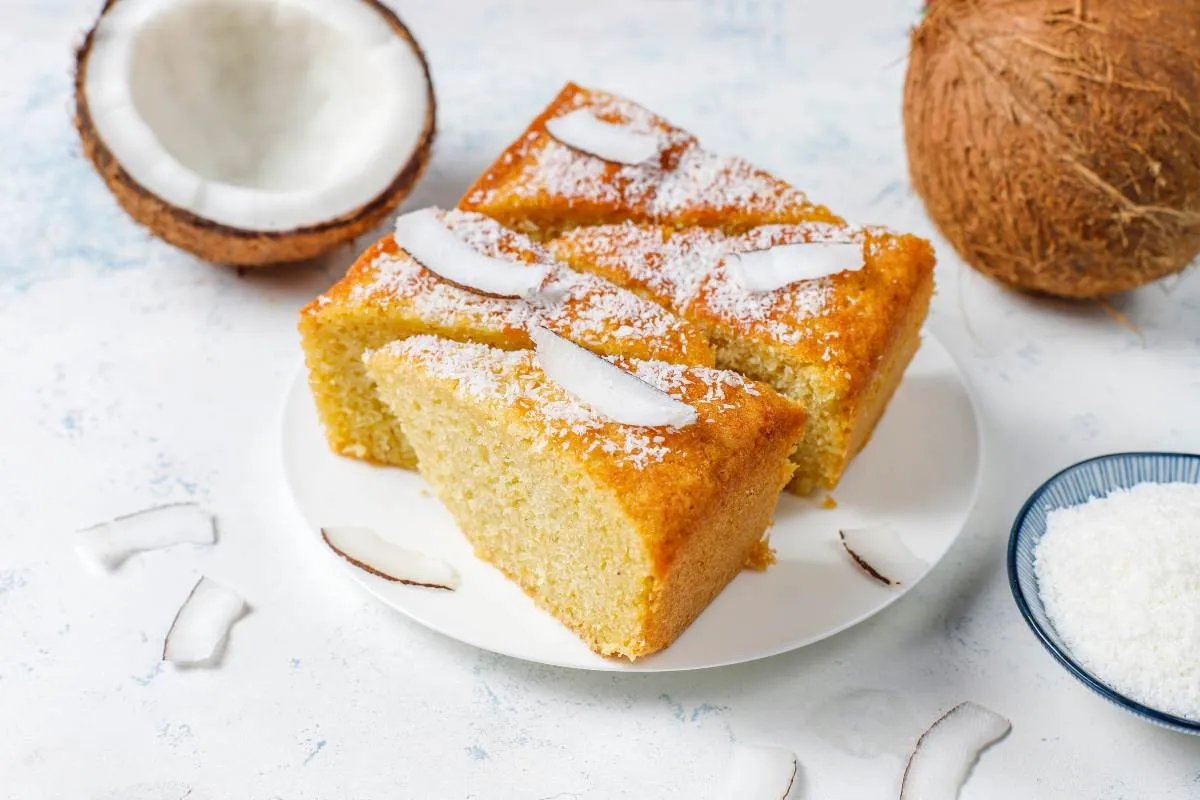
A slice of Tropical Pineapple Coconut Cake pairs wonderfully with:
- A hot cup of coffee or a cold brew for contrast against the cake's sweetness.
- Fresh tropical fruit on the side, such as mango or additional pineapple chunks, to echo the cake's flavor profile.
- A scoop of vanilla or coconut ice cream for an extra-indulgent dessert plate.
- Iced herbal tea, particularly hibiscus or ginger, which complements the tropical notes without competing with them.
If tropical desserts are becoming a theme in your kitchen, don't miss our Moist Orange Cake Recipe for another citrus-forward option, or our nutty, elegant Pistachio Cake Recipe if you're looking to round out a dessert table with contrasting flavors.
Final Thoughts
Whether you're baking a Moist Pineapple Coconut Cake for a birthday celebration, putting together an Easy Pineapple Coconut Cake for a weeknight treat, or perfecting an Old-Fashioned Pineapple Coconut Cake passed down through your family, this recipe delivers the tropical, comforting flavor that makes it a standout every time. The combination of tangy pineapple, toasted coconut, and a tender, moist crumb is hard to beat, and with the tips above, you'll be equipped to troubleshoot and customize it to your taste.
For more dessert inspiration, explore our collection of cake recipes, including the rich and nutty Pistachio Cake Recipe, the timeless Pound Cake, the bright and tangy Fluffy Orange Cheesecake, our citrusy Moist Orange Cake Recipe, and our indulgent Moist Chocolate Cake Recipe. Happy baking!
Frequently Asked Questions(FAQs)
Can I use fresh pineapple instead of canned?
Yes, but with a caveat. Fresh pineapple contains an enzyme called bromelain, which can interfere with the setting of certain baked goods and break down proteins in dairy-based frostings over time. If using fresh pineapple, finely chop it, cook it down briefly to deactivate the enzyme, and let it cool before adding it to your batter.
Why did my Pineapple Coconut Cake turn out dense?
A dense cake is usually caused by overmixing the batter after adding flour, using cold ingredients, or measuring flour incorrectly (packing too much into the cup). Double-check that your baking powder and baking soda are fresh, since expired leaveners are another common culprit.
Can I make this cake ahead of time for a party?
Absolutely. In fact, this cake often tastes even better the next day, once the flavors have had time to meld. Bake the layers a day ahead, wrap them tightly, and frost the cake the morning of your event for the freshest presentation.
What's the difference between sweetened and unsweetened coconut in this recipe?
Sweetened coconut has added sugar and moisture, giving it a softer texture and slightly sweeter flavor. Unsweetened coconut is drier and more intensely coconut-flavored. Either works in this recipe, though you may want to reduce the batter's sugar slightly if using sweetened coconut.
How do I keep the cake from becoming soggy?
Sogginess typically comes from not draining the pineapple enough or adding too much liquid soak after baking. Drain your crushed pineapple well, reserving only the juice you plan to use intentionally, and add any soaking liquid gradually, tasting and checking texture as you go.
Can I turn this into a pineapple coconut Bundt cake?
Yes. Grease and flour a Bundt pan thoroughly (or use a baking spray with flour built in) to prevent sticking, and bake at 325°F for approximately 55–65 minutes, checking doneness with a toothpick. A simple glaze made from reserved pineapple juice and powdered sugar works beautifully in place of a full frosting for this format.






























Sign in to leave a comment.