
Bathrooms are among the most frequently used spaces in any home, yet they are often the first to show signs of wear. Outdated fixtures, inefficient layouts, and moisture-related damage can affect both comfort and functionality. As a result, homeowners increasingly look to bathroom renovation contractors when planning upgrades that balance aesthetics, durability, and long-term value. Understanding how professional renovation approaches work helps homeowners make informed decisions and avoid costly mistakes.
Why Bathroom Renovations Require Careful Planning
Unlike cosmetic updates in other rooms, bathroom renovations involve plumbing, electrical systems, ventilation, and waterproofing. A poorly planned renovation can lead to leaks, mold growth, or inefficient layouts that reduce usability. Careful planning ensures that structural elements and finishes work together as a cohesive system.
Bathrooms must also comply with local building codes and safety standards. These requirements influence everything from electrical outlet placement to ventilation capacity, making professional oversight especially important.
Common Reasons Homeowners Renovate Bathrooms
There are many motivations behind bathroom renovations. Some homeowners aim to improve functionality by updating layouts or adding storage. Others focus on accessibility, such as installing walk-in showers or improved lighting for aging occupants.
In many cases, renovations are driven by maintenance concerns. Worn tiles, outdated plumbing, or water damage may require attention before issues worsen. Addressing these problems through renovation improves both safety and comfort.
Understanding the Role of Renovation Professionals
Bathroom renovations involve multiple trades working in coordination. From demolition and plumbing adjustments to tile installation and finishing work, each stage must be completed in the correct sequence. Experienced professionals manage these processes to reduce disruption and maintain quality standards.
Working with bathroom renovation contractors helps ensure that technical details—such as waterproofing membranes, drainage slopes, and ventilation—are handled correctly. These behind-the-scenes elements are critical to long-term performance but are often overlooked in surface-level planning.
Layout and Space Optimization
Effective bathroom design makes the most of available space. In smaller bathrooms, thoughtful layout choices can significantly improve usability. Repositioning fixtures, choosing compact vanities, or incorporating built-in storage can enhance flow without increasing square footage.
In larger bathrooms, zoning becomes important. Separating wet and dry areas improves comfort and reduces moisture spread. Clear circulation paths also contribute to a more comfortable and visually balanced space.
Selecting Materials for Durability
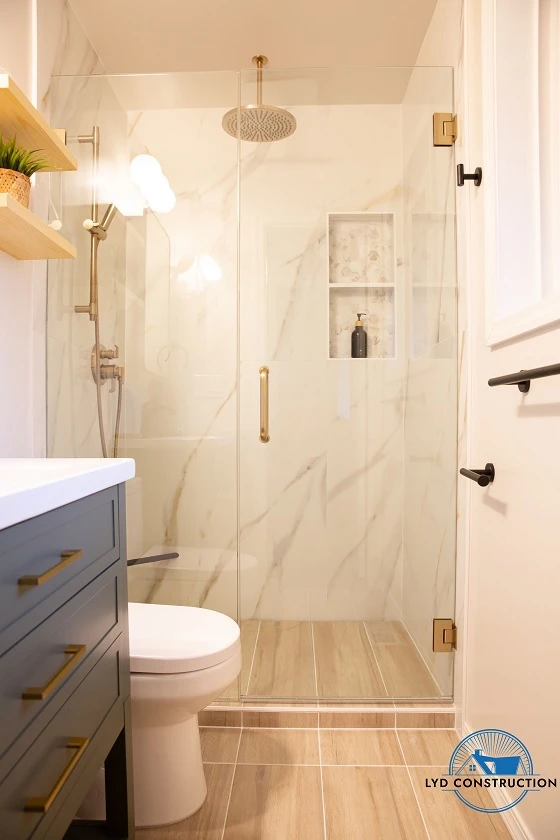
Bathrooms are exposed to constant moisture, temperature changes, and frequent cleaning. Material selection should prioritize durability and resistance to water damage. Tiles, waterproof wall panels, and moisture-resistant flooring are common choices for these environments.
Surface finishes should also be easy to maintain. Smooth, sealed materials resist staining and make routine cleaning more manageable. Durability not only extends the life of the renovation but also preserves its appearance over time.
Lighting and Ventilation Considerations
Lighting plays a key role in both functionality and comfort. Task lighting around mirrors supports daily routines, while ambient lighting creates a balanced atmosphere. Layered lighting designs help avoid harsh shadows and improve visibility.
Ventilation is equally important. Proper exhaust systems remove excess moisture, reducing the risk of mold and protecting finishes. Inadequate ventilation is a common cause of long-term bathroom damage, making it a critical component of renovation planning.
Plumbing and Fixture Updates
Updating plumbing fixtures can improve water efficiency and reliability. Modern fixtures are designed to reduce water consumption without compromising performance. Replacing aging pipes during a renovation can also prevent future leaks and water damage.
Fixture placement should support ease of use and maintenance access. Thoughtful planning ensures that plumbing systems remain efficient and accessible after renovation work is complete.
Accessibility and Universal Design
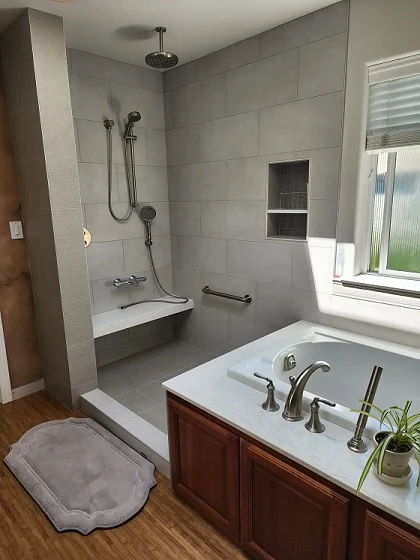
Many homeowners consider accessibility during bathroom renovations, even if immediate needs are not present. Features such as curbless showers, wider doorways, and reinforced walls for future grab bars support long-term usability.
Universal design principles aim to create spaces that are comfortable for people of all ages and abilities. Incorporating these elements during renovation can reduce the need for future modifications.
Managing Budgets and Expectations
Bathroom renovation costs vary widely depending on scope, materials, and structural changes. Establishing a clear budget early helps guide design decisions and material choices. Prioritizing essential upgrades ensures that resources are allocated effectively.
Unexpected issues, such as hidden water damage or outdated wiring, may arise during renovation. Contingency planning helps manage these challenges without compromising overall project goals.
Timeline and Project Coordination
Bathroom renovations typically follow a structured timeline, beginning with demolition and ending with finishing details. Coordination between trades is essential to avoid delays and rework. Clear scheduling helps minimize downtime and disruption to daily routines.
Temporary bathroom arrangements may be necessary during renovation. Planning for these logistics improves the overall experience for occupants.
Local Trends and Practical Choices
Homeowners often search for bathroom renovations near me to understand local design trends and material availability. Regional preferences, climate conditions, and housing styles all influence renovation decisions.
Practical choices that align with local conditions tend to perform better over time. For example, moisture-resistant materials and efficient ventilation are especially important in humid environments.
Long-Term Value of Bathroom Renovations
Well-executed bathroom renovations add lasting value to a home. Beyond visual appeal, functional improvements enhance daily living and can positively influence resale potential. Buyers often view updated bathrooms as indicators of overall home maintenance.
The true value of a renovation lies in how well it meets the needs of current occupants while remaining adaptable for future use.
Importance of Clear Communication
Successful renovations depend on clear communication throughout the process. Discussing expectations, timelines, and potential challenges helps align all parties involved. Transparency supports smoother project execution and better outcomes.
Documentation, including plans and specifications, ensures that design intent is maintained from start to finish.
Bathroom renovations are complex projects that require thoughtful planning, technical knowledge, and attention to detail. From layout optimization and material selection to ventilation and accessibility, each decision contributes to the space’s long-term performance. By understanding the renovation process and working with qualified professionals, homeowners can achieve functional, durable, and comfortable bathroom environments.
LYD Construction is involved in residential construction and renovation projects, supporting homeowners through structured planning and execution of interior remodeling work.


























Sign in to leave a comment.