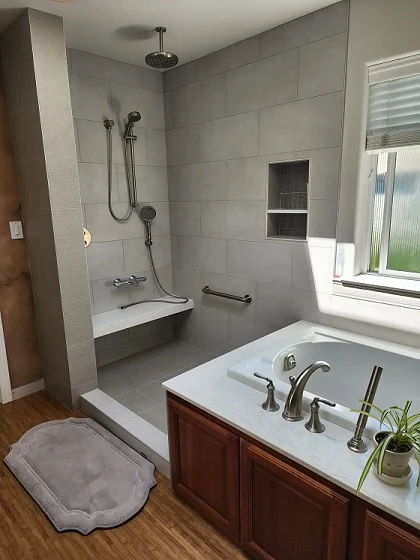

Bathroom renovations can breathe new life into one of the most essential spaces in your home. Whether you're upgrading an outdated look, fixing persistent plumbing issues, or designing your dream spa-like retreat, a bathroom remodel is a significant investment. The key to a successful renovation project lies in careful budgeting—understanding where your money goes, what choices impact costs, and how to avoid common financial pitfalls.
If you're beginning to explore bathroom renovations near me, this guide will help break down the budgeting process and provide insights to help you make informed decisions, regardless of the scale of your project.
1. Understand Your Renovation Goals
Before setting a budget, clearly define the purpose of your bathroom renovation. Are you doing a basic refresh (new paint, fixtures, and fittings), a mid-range remodel (new tiles, vanity, and layout adjustments), or a high-end renovation (custom cabinetry, luxury materials, layout reconfiguration)?
Each type of renovation comes with different costs, and your budget should reflect the scope:
- Cosmetic Updates: Typically the most affordable option, including changes like paint, faucets, lighting, or towel racks.
- Mid-Range Renovations: Often include new tiling, a modern vanity, energy-efficient fixtures, and sometimes minor structural updates.
- Luxury Upgrades: Full-scale renovations with top-of-the-line materials, design consultations, and possibly expansion or layout changes.
Clarifying your goals helps prioritize needs over wants and ensures your budget aligns with your expectations.
2. Establish a Realistic Budget Range
The cost of a bathroom renovation can vary greatly depending on location, materials, labor, and project complexity. National averages can range from $6,000 for a small renovation to $30,000 or more for a high-end remodel. That said, these numbers are just starting points.
Factors that affect budget include:
- Size of the Bathroom: Larger bathrooms require more materials and labor.
- Age of the Home: Older homes may have outdated plumbing or electrical systems that need updating.
- Material Choices: Marble tiles, custom cabinetry, and designer fixtures can quickly increase costs.
- Labor Costs: Rates vary depending on region and contractor experience.
- Permits: In some areas, permits are required for plumbing, electrical, or structural changes.
A smart budgeting approach is to plan your ideal spend and then add a 10–20% contingency for unexpected issues that often arise during renovations.
3. Break Down the Costs
Understanding how your budget is typically allocated helps manage expectations. Here’s a general breakdown:
- Labor (40–65%): Often the most significant expense, especially if skilled trades like electricians, plumbers, and tilers are involved.
- Fixtures and Fittings (15–25%): Toilets, sinks, faucets, tubs, and showers.
- Cabinetry and Countertops (10–20%): Depending on whether you choose custom or pre-fabricated units.
- Flooring and Tiling (10–15%): Includes material and installation.
- Lighting and Ventilation (5–10%): Upgrading to energy-efficient systems may involve rewiring or new installations.
- Painting and Finishing Touches (5%): An easy place to save if you choose DIY.
4. Know Where to Save and Where to Splurge
Smart budgeting doesn’t mean cutting corners—it means knowing where your money will have the most impact. Here are a few tips:
Save On:
- Fixtures: Stylish yet affordable faucets and showerheads are widely available.
- Paint: A fresh coat of paint is inexpensive and transformative.
- Standard Tiles: Use designer tiles sparingly as accents instead of across the whole floor or wall.
Splurge On:
- Waterproofing: A critical, unseen element that protects your investment.
- Plumbing & Electrical Work: Always hire licensed professionals for safety and compliance.
- High-Traffic Elements: Items like countertops and flooring that see daily use benefit from durable materials.
5. Get Multiple Quotes and Compare
When considering bathroom renovations near me, getting multiple quotes from local professionals helps you understand market rates and identify outliers. Be wary of quotes that seem too good to be true—they often are.
When comparing quotes, consider:
- Is the scope of work clearly defined?
- Are all materials included or quoted separately?
- Does the contractor have proper licenses and insurance?
- Can they provide references or a portfolio of past work?
Taking time to vet contractors can save you money and stress later.
6. Consider DIY—But Know Your Limits
Tackling parts of a renovation yourself can reduce costs, especially for cosmetic changes like painting or installing hardware. However, it's essential to understand your limits. Poor workmanship in plumbing, electrical, or tiling can lead to costly repairs down the road.
DIY is best suited for:
- Demolition (if done safely)
- Painting
- Installing towel racks or shelves
- Replacing light fixtures (if you’re comfortable with basic electrical work)
Leave structural, plumbing, and electrical work to licensed pros.
7. Plan for the Unexpected
Even with the best planning, renovations often uncover hidden issues—mold behind walls, faulty plumbing, or outdated wiring. Build a contingency fund of 10–20% of your total budget to address these surprises without derailing your project.
Also, consider the indirect costs:
- Temporary Accommodation: If the bathroom is your only one.
- Permit Fees
- Waste Removal or Dumpster Rentals
- Delivery Fees for Materials
8. Look for Local Incentives and Rebates
Some regions offer rebates or incentives for water-saving fixtures or energy-efficient lighting. Look into local programs before purchasing products—you may be eligible for savings or tax incentives.
9. Time Your Renovation Wisely
Contractor availability can fluctuate with the seasons. Spring and summer are typically busier—and more expensive—while off-season renovations (late fall or winter) might come with discounts or better availability. Booking ahead or being flexible with your timeline can also help you save.
10. Keep Value in Mind
If resale value is a concern, balance your renovation with the market value of your home. In most cases, you won’t recoup 100% of a luxury remodel’s cost, but a well-executed mid-range bathroom renovation can offer a solid return on investment—often recouping 60–70% or more.
Look at other homes in your neighborhood. If you're planning to list your property in the near future, opt for timeless design choices that appeal to a broad audience instead of highly personalized features.
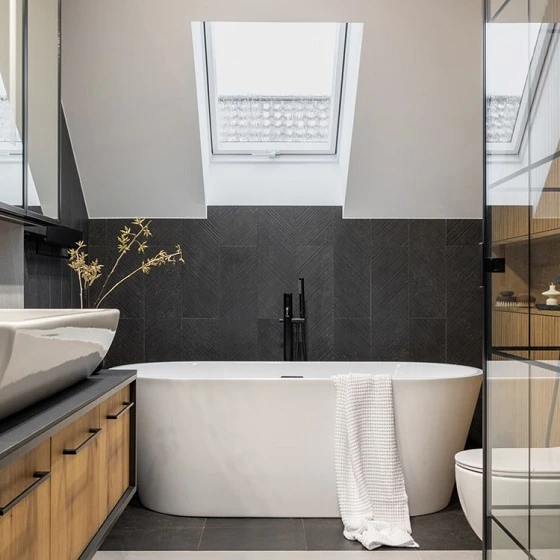
Budgeting for a bathroom renovation can seem overwhelming at first, especially with so many decisions to make. But by understanding the costs involved, planning carefully, and working with trusted professionals, you can avoid budget blowouts and enjoy a stress-free remodeling experience.
If you’re researching bathroom renovations near me, always begin with a clear plan, get multiple opinions, and be prepared to adjust as needed. With the right approach, even a modest budget can lead to a stylish, functional bathroom you’ll enjoy for years.
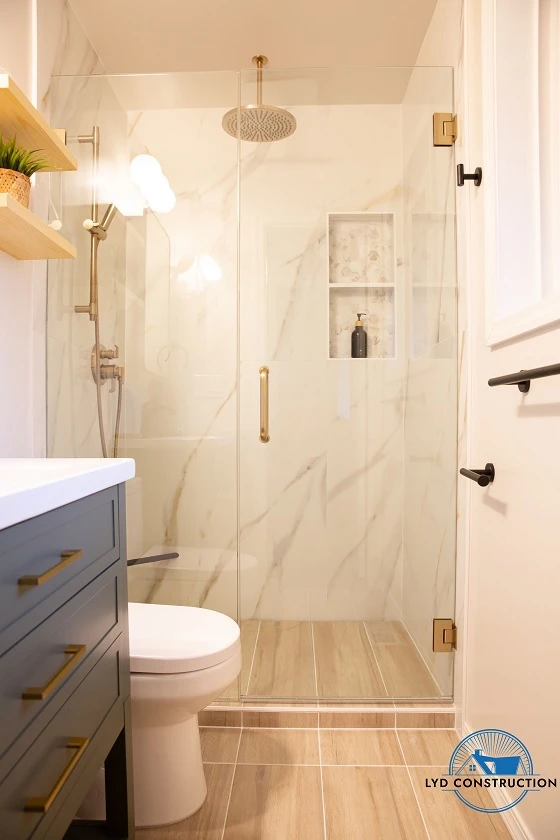
For expert support and high-quality craftsmanship, LYD Construction offers reliable renovation services designed to meet your needs, whether you're planning a minor update or a complete transformation.



























Sign in to leave a comment.