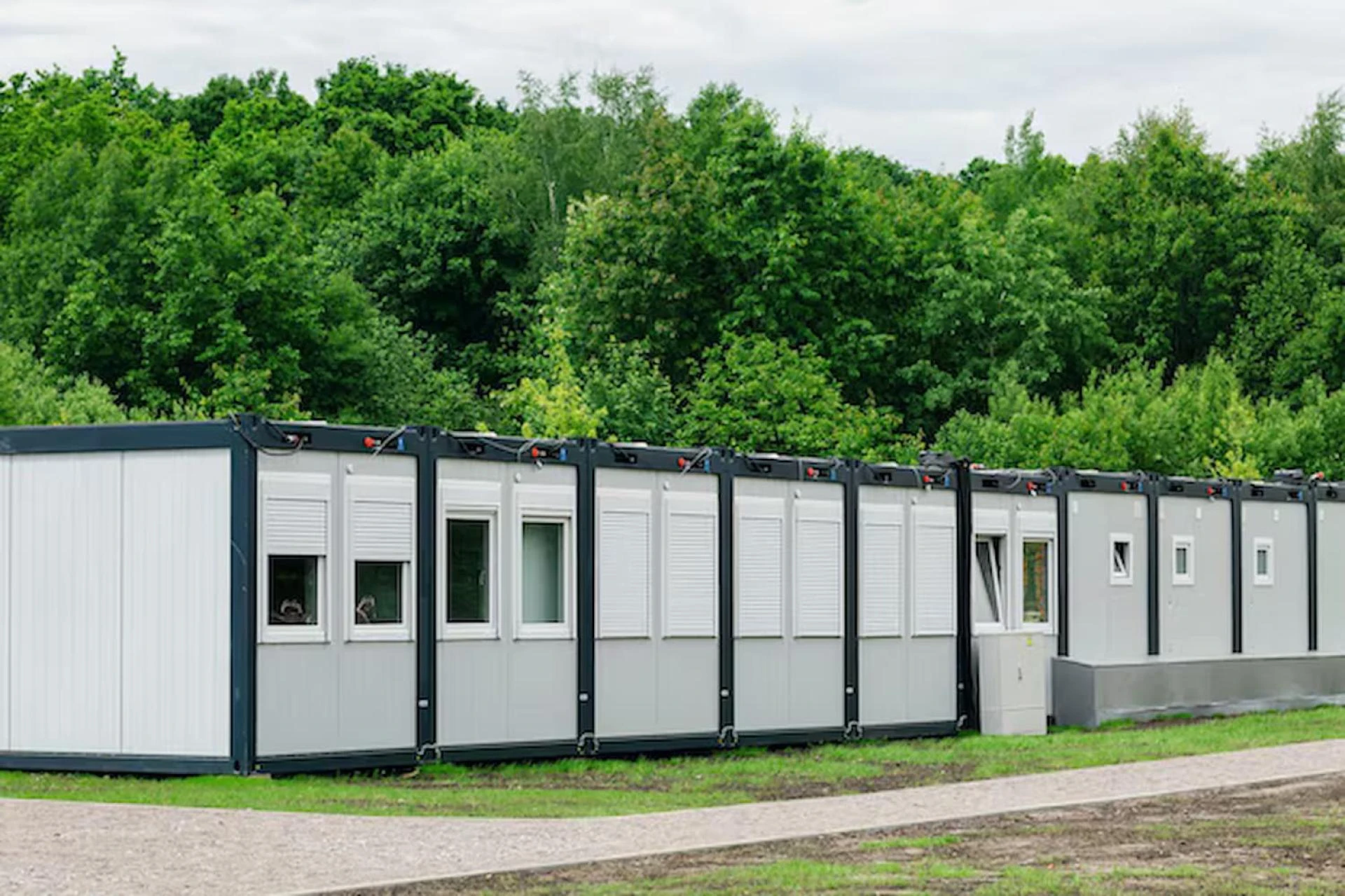

As businesses continue to seek flexible and cost effective workspace solutions, the popularity of the portacabin office has grown significantly. These prefabricated structures offer quick installation, adaptability, and mobility, making them ideal for construction sites, schools, healthcare facilities, and commercial premises. However, before installing a portacabin office on any site, it is essential to understand the planning permission requirements.
Planning regulations vary depending on location, intended use, size, and duration of placement. Failing to obtain the necessary approvals can result in fines, removal notices, or legal complications. Therefore, careful planning and compliance with local regulations are critical steps in the process.
This guide explains the key considerations, legal requirements, and practical steps involved in securing planning permission for a portacabin office.
Understanding Planning Permission
Planning permission is official approval from local authorities that allows property owners or businesses to carry out certain types of development or change the use of land or buildings.
Why Planning Permission Exists
Planning laws are designed to control development and ensure that new structures align with environmental standards, zoning regulations, public safety, and community interests. Authorities evaluate factors such as visual impact, traffic implications, safety standards, and environmental effects.
How It Applies to a Portacabin Office
Although a portacabin office is a temporary or relocatable structure, it is often considered a building under planning regulations. In many cases, placing a portacabin office on land constitutes development and may require formal approval.
The requirement depends on various factors including duration of use, size of the structure, and whether it changes the land’s designated purpose.
When Planning Permission Is Required
Not every installation automatically requires permission. However, certain conditions commonly trigger the need for approval.
Permanent or Long Term Installation
If a portacabin office is intended to remain in place for an extended period, typically beyond a defined temporary timeframe set by local authorities, planning permission is often required.
Change of Land Use
If the land where the portacabin office will be installed is not already designated for commercial or office use, approval is usually necessary. For example, placing a portacabin office on agricultural land or residential property may involve additional scrutiny.
Large Structures
Larger units or multiple connected portacabin offices that significantly alter the appearance or layout of a site are more likely to require permission.
Sensitive Locations
Sites located in conservation areas, near listed buildings, or in environmentally protected zones typically face stricter regulations.
Situations Where Permission May Not Be Required
In some circumstances, installing a portacabin office may fall under permitted development rights.
Temporary Use for Limited Duration
Certain jurisdictions allow temporary structures for a limited period without full planning approval. The allowed timeframe varies and must be verified with local authorities.
Within Existing Commercial Premises
If the portacabin office is placed within the boundaries of an established commercial property and does not significantly alter the overall site use, permission may not always be required.
However, even when formal planning permission is not needed, building regulations and safety standards still apply.
Building Regulations and Compliance
Planning permission is separate from building regulations. Even if planning approval is not required, compliance with building standards is essential.
Structural Safety
A portacabin office must meet structural integrity standards to ensure it can withstand environmental conditions such as wind and rain.
Fire Safety Measures
Adequate fire exits, alarms, and fire resistant materials are necessary to meet safety regulations. Fire safety compliance is particularly important when the office will be occupied regularly.
Electrical and Plumbing Standards
Any installed electrical wiring, lighting, heating, or plumbing systems must meet local safety codes and standards.
Key Steps to Obtain Planning Permission
Securing approval for a portacabin office involves several important steps.
Step One Site Assessment
Before submitting an application, a thorough assessment of the proposed location should be conducted. This includes reviewing zoning classifications, access routes, surrounding properties, and environmental considerations.
Step Two Preparing Documentation
Planning applications typically require detailed documentation, including site plans, elevation drawings, floor layouts, and a description of intended use. Clear documentation increases the likelihood of approval.
Step Three Submitting the Application
The completed application must be submitted to the relevant local authority. Application fees vary depending on location and project size.
Step Four Public Consultation
In some cases, authorities may consult neighboring property owners or publish notices to allow public comments. Addressing potential concerns proactively can facilitate a smoother approval process.
Step Five Decision and Conditions
If approved, the permission may include specific conditions. These could relate to landscaping, parking arrangements, or time limits for temporary use. It is important to comply fully with all stated conditions.
Factors Authorities Consider
Local planning departments evaluate several factors when reviewing applications for a portacabin office.
Visual Impact
Authorities assess how the structure will affect the appearance of the area. Neutral colors and professional design can help minimize visual disruption.
Traffic and Access
The impact on traffic flow and accessibility is also reviewed. Adequate parking and safe entry points may be required.
Environmental Considerations
Noise levels, waste management, and energy efficiency can influence the decision. Demonstrating environmentally responsible practices strengthens the application.
Community Impact
Authorities consider how the portacabin office may affect neighboring properties in terms of privacy, noise, and general disturbance.
Temporary Planning Permission
In some cases, businesses can apply for temporary planning permission for a portacabin office.
Duration of Temporary Approval
Temporary approvals often last for a specified number of years. At the end of this period, the structure may need to be removed or a renewal application submitted.
Suitable Situations
Temporary permission is commonly granted for construction site offices, event facilities, or projects with defined timelines.
Common Challenges and How to Avoid Them
Understanding potential obstacles helps businesses prepare effectively.
Incomplete Applications
Missing documents or unclear plans can delay the process. Ensuring all required information is submitted reduces the risk of rejection.
Ignoring Zoning Regulations
Failing to verify zoning classifications before applying may result in refusal. Early research is crucial.
Overlooking Neighbor Concerns
Engaging with nearby property owners before submitting an application can help address concerns and prevent objections.
Professional Assistance
Many businesses choose to work with planning consultants or architects to manage the application process.
Benefits of Expert Guidance
Professionals understand local regulations and can prepare comprehensive documentation. Their expertise can increase approval chances and reduce processing time.
Cost Considerations
While professional services involve additional expense, they may save time and prevent costly mistakes.
Importance of Early Planning
Planning permission should be considered at the earliest stage of a portacabin office project.
Avoiding Delays
Starting the application process early ensures that installation can proceed without unexpected interruptions.
Budget Planning
Accounting for application fees, potential modifications, and compliance costs ensures accurate budgeting.
Long Term Compliance and Monitoring
Once a portacabin office is installed, ongoing compliance is essential.
Adhering to Conditions
Any conditions attached to planning approval must be followed strictly.
Periodic Inspections
Regular inspections help ensure continued compliance with safety and building standards.
Renewal or Removal
If temporary permission expires, businesses must either apply for renewal or remove the structure to remain compliant.
Conclusion
Installing a portacabin office offers flexibility, efficiency, and cost effectiveness for many businesses. However, understanding and complying with planning permission requirements is a critical part of the process. Whether the structure is temporary or long term, careful preparation, proper documentation, and adherence to regulations ensure a smooth installation experience.
By conducting thorough research, engaging with local authorities, and seeking professional guidance when necessary, businesses can confidently move forward with their portacabin office project. For organizations looking for reliable solutions and expert support in workspace planning, Halletts Spaces provides dependable options tailored to diverse operational needs.


























Sign in to leave a comment.