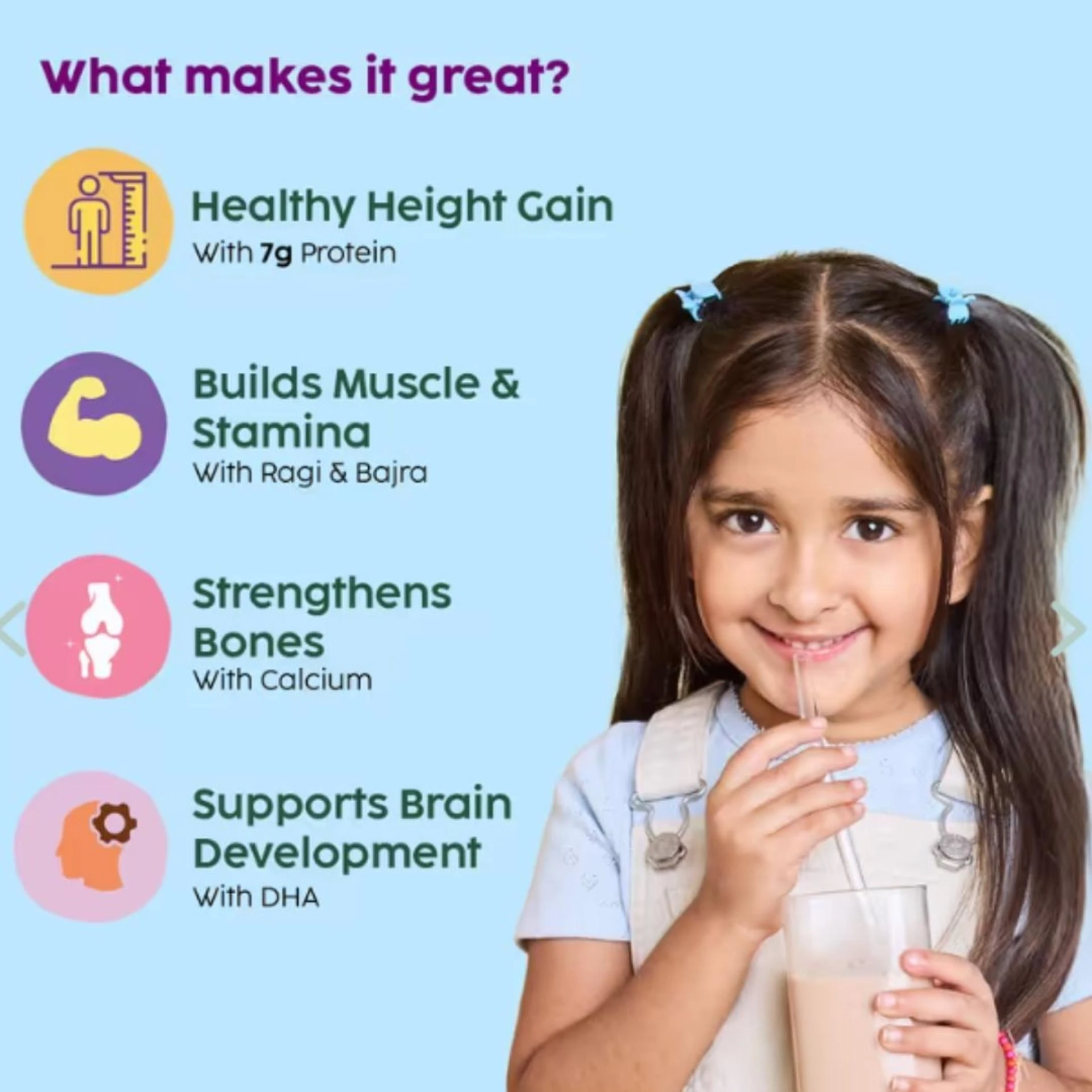

Explore the benefits of plant-based protein for kids. Discover how it supports growth, health, and development in a vegan or vegetarian diet.
As more parents embrace plant-based diets for their families, one key concern is ensuring that their children receive adequate protein for growth and development. While animal protein has been the traditional go-to, plant-based protein for kids is emerging as a popular and healthy alternative. In this article, we explore the significance of plant-based protein for children, its health benefits, and how to integrate it into their diets effectively.
What is Plant-Based Protein?
Plant-based protein is derived from plants, rather than animal products. It includes proteins from foods like beans, lentils, tofu, quinoa, and, of course, protein supplements such as plant-based powders. For kids, this means that they can get all the essential amino acids and nutrients needed for healthy development from vegan-friendly sources.
Why Choose Plant-Based Protein for Kids?
Choosing plant-based protein offers several health benefits, particularly when kids are transitioning to a vegan or vegetarian diet. Here’s why it could be a great choice:
- Supports Growth and Development: Protein is vital for growing muscles, bones, and tissues, and plant-based protein provides these nutrients without excess fat or cholesterol.
- Better Digestibility: Plant proteins are generally easier to digest, especially for children with sensitive stomachs or allergies to dairy.
- Rich in Nutrients: Besides protein, plant-based foods are packed with essential vitamins, minerals, and fiber, promoting overall health.
- Environmentally Friendly: A plant-based diet is better for the environment, contributing to lower greenhouse gas emissions and resource use.
Best Plant-Based Protein Sources for Kids
Here’s a breakdown of the best sources of plant-based protein for children:
- Legumes (Lentils, Beans, Chickpeas): These are rich in protein and fiber, helping with digestion and growth.
- Nuts and Seeds (Almonds, Chia, Hemp Seeds): These are packed with protein, healthy fats, and antioxidants.
- Quinoa: A complete protein containing all nine essential amino acids, making it an excellent addition to any meal.
- Tofu and Tempeh: Both are made from soybeans and are versatile sources of protein for kids.
- Plant-Based Protein Powders: For convenience, plant-based protein powders like pea or brown rice protein can be added to smoothies or baked goods.
How Much Protein Do Kids Need?
The recommended daily allowance (RDA) of protein varies by age and activity level. Generally, children between the ages of 1-3 need about 13 grams of protein daily, while kids aged 4-8 need around 19 grams. Older children (9-13) may need 34 grams, and active teens could require even more.
Integrating plant-based protein into your child's diet is relatively easy, especially when they enjoy a variety of plant-based foods. Here are some tips:
- Incorporate into Meals: Add lentils or chickpeas into salads, soups, and stews. You can also make delicious veggie burgers using black beans or kidney beans.
- Smoothies: Add plant-based protein powders to smoothies, alongside fruits like bananas, berries, and spinach, to make nutrient-dense drinks.
- Snacks: Keep protein-rich snacks handy, such as edamame, roasted chickpeas, and nut butter on whole-grain crackers.
Common Concerns About Plant-Based Protein for Kids
- Is Plant-Based Protein Enough for Growing Kids?
Plant-based proteins are sufficient when combined properly, making sure all amino acids are covered. For example, pairing rice with beans creates a complete protein source. - How Do I Ensure My Child Gets Enough Protein on a Plant-Based Diet?
The key is variety. Incorporating different sources like tofu, quinoa, beans, and nuts into every meal can ensure adequate protein intake. - Can Plant-Based Proteins Replace Animal Proteins for Athletes?
Yes! Many professional athletes thrive on plant-based diets. Plant proteins like soy, lentils, and quinoa provide essential nutrients without compromising performance.
Frequently Asked Questions (FAQ)
Is plant-based protein good for kids?
Yes, plant-based protein is a healthy option for kids, providing all the essential nutrients needed for growth and development.
What are the best plant-based protein sources for kids?
Top sources include legumes, tofu, quinoa, nuts, seeds, and plant-based protein powders.
How can I ensure my child gets enough protein on a plant-based diet?
Offer a variety of plant-based proteins, such as lentils, beans, tofu, and quinoa, in their meals to ensure they get all the amino acids they need.
Can plant-based protein support an active child’s growth?
Absolutely. With proper meal planning, plant-based protein can support an active child’s growth and physical activity needs.
Should I give my child plant-based protein powder?
Plant-based protein powders can be a convenient supplement, especially in smoothies or baked goods, to meet your child's protein needs.
Is there any downside to plant-based protein for kids?
When done correctly, there is no downside to plant-based protein. However, it is important to make sure the diet is well-balanced and includes all essential nutrients.
Conclusion
Plant-based protein for kids is a viable, nutritious, and environmentally friendly alternative to traditional animal-based protein sources. It offers numerous health benefits, supports growth, and helps ensure that your child receives all the essential nutrients needed for optimal development. By carefully planning meals and incorporating a variety of plant-based proteins, you can easily meet your child’s dietary needs while promoting long-term health.
































Sign in to leave a comment.