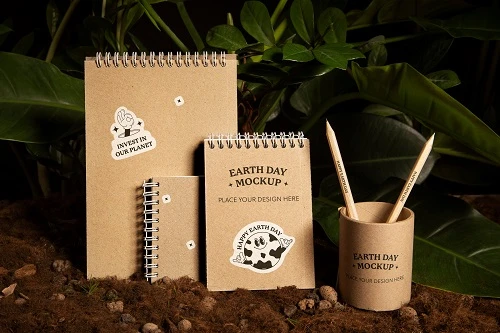

Sustainability is becoming a central focus in education, and schools are seeking innovative ways to teach students about environmental responsibility. One exciting trend gaining popularity is plantable stationery — paper products made from seed paper that can be planted to grow flowers, herbs, or vegetables after use. This eco-friendly approach turns ordinary school projects into creative, hands-on learning experiences while promoting sustainability.
Whether for science experiments, art projects, or classroom assignments, plantable stationery allows students to explore their creativity and contribute positively to the environment. This guide will explore the benefits of using plantable stationery for school projects, popular products, and tips for incorporating seed paper into daily classroom activities.
What Is Plantable Stationery?
Plantable stationery is made from biodegradable paper embedded with seeds. Unlike traditional paper, which is often discarded after a single use, seed paper can be planted in soil. As the paper decomposes, the seeds germinate and grow into plants, making every sheet a source of life rather than waste.
Examples of Plantable Stationery for School Projects
- Notebooks and journals
- Sketchbooks and exercise books
- Worksheets and assignment sheets
- Greeting and thank-you cards
- Bookmarks and labels
- Stickers, gift tags, and art paper
By using plantable stationery, students can combine creativity with sustainability, learning the value of eco-friendly practices while completing school projects.
How Seed Paper Works
Seed paper is made by blending recycled paper pulp with live seeds. The mixture is pressed into sheets and dried to preserve seed viability. When planted, the paper naturally decomposes, and the seeds sprout, growing into flowers, herbs, or vegetables.
Common Seeds in Plantable School Supplies
- Wildflowers: Sunflowers, marigolds, zinnias — attract pollinators like bees and butterflies
- Herbs: Basil, mint, parsley, coriander
- Vegetables: Tomato, chili, radish
- Ornamental plants: Decorative flowers suitable for school gardens
The versatility of seed paper makes it ideal for educational projects, allowing students to learn about plants and ecosystems in a hands-on way.
Benefits of Using Plantable Stationery for School Projects
1. Promotes Eco-Friendly Practices
Using plantable stationery teaches students to make sustainable choices. Instead of creating paper waste, every project contributes to a greener environment.
2. Encourages Creativity
Plantable stationery comes in various forms — blank pages, colored sheets, and customizable designs — giving students a platform to express creativity while being environmentally conscious.
3. Enhances Learning Experiences
Students gain practical knowledge about plant life cycles, germination, and environmental stewardship. Seed paper transforms ordinary school projects into interactive learning experiences.
4. Reduces Paper Waste
Traditional school projects often produce significant paper waste. Plantable stationery reduces this by turning completed projects into plants rather than throwing them away.
5. Supports Biodiversity
By planting seed paper, students contribute to local ecosystems. Flowers and herbs grown from projects attract pollinators and help maintain environmental balance.
Popular Plantable Stationery Products for School Projects
1. Plantable Notebooks and Journals
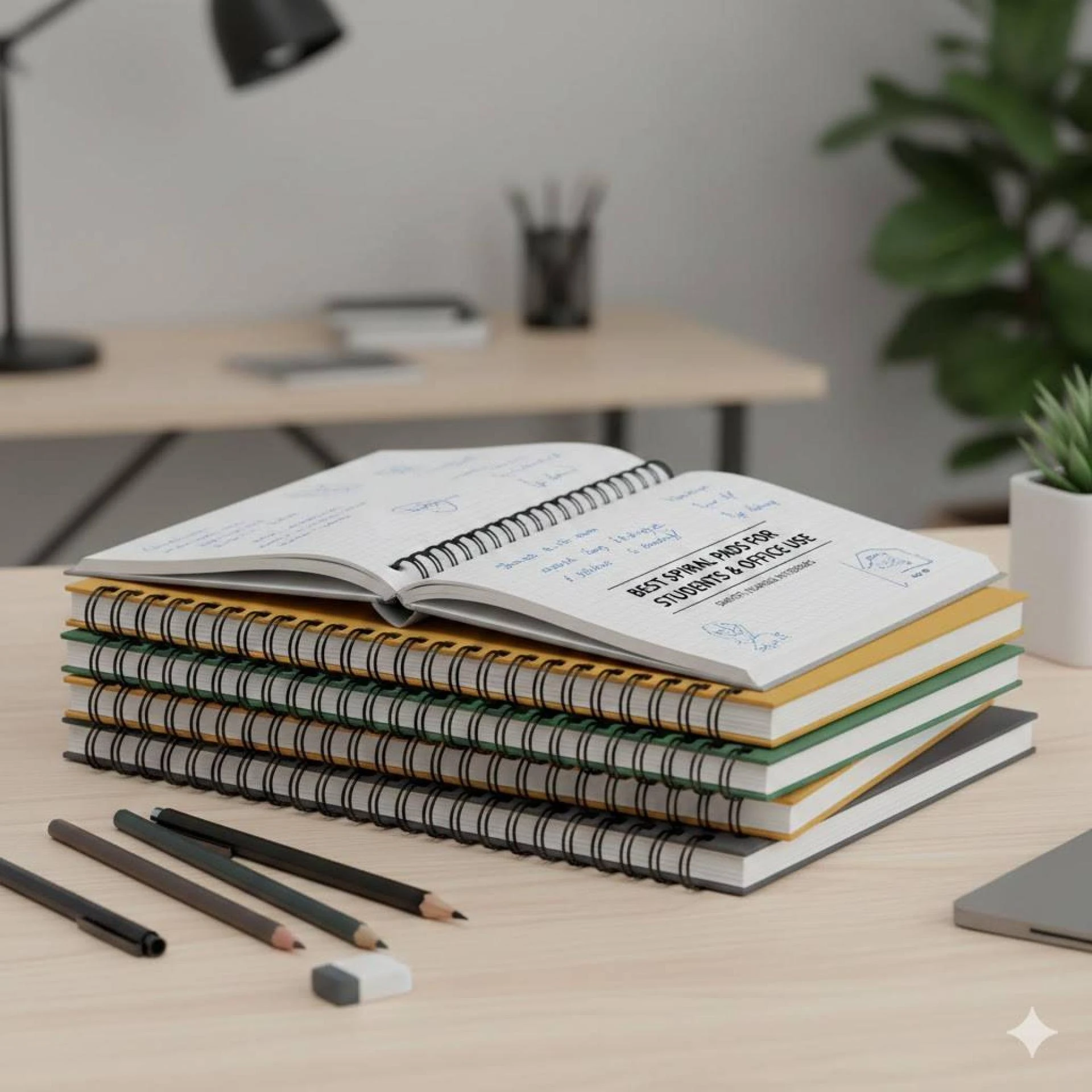
Notebooks are widely used for school projects, whether for note-taking, journaling, or sketching. Plantable notebooks function like regular notebooks but can be planted once full.
Ideas for use:
- Science journals documenting plant growth experiments
- Art journals where sketches eventually sprout into flowers
- Personal reflection notebooks that become classroom greenery
2. Seed Paper Worksheets and Handouts
Teachers can print worksheets, coloring pages, and activity sheets on seed paper. After completion, students can plant the sheets, turning assignments into a sustainable activity.
Examples:
- Science experiments on plant growth
- Environmental education worksheets
- Math or language assignments printed on seed paper
3. Plantable Greeting Cards and Posters
School projects often involve making posters or cards for events like Earth Day, science fairs, or classroom celebrations. Plantable versions make these projects eco-friendly.
Ideas for use:
- Earth Day cards with embedded wildflower seeds
- “Thank You” cards for teachers or peers that grow herbs
- Science project posters that can be planted after the display
4. Plantable Bookmarks
Bookmarks are a small but meaningful stationery item that students can decorate and later plant.
Uses:
- Incentives for reading programs
- Personal bookmarks for projects or presentations
- Gifts for classmates or teachers
5. Plantable Art Paper
Art projects often create paper scraps and waste. Seed paper allows students to turn art into greenery.
Examples:
- Collages made with seed paper
- Paper mache projects that can be planted
- Handmade cards for school events
How to Use Plantable Stationery in School Projects
Using plantable stationery is simple and practical for both students and teachers. Here’s how to incorporate it into school projects:
Step 1: Select the Right Seed Paper
Choose seed paper that suits your project. Consider size, color, thickness, and type of seeds embedded.
Step 2: Create Your Project
Use the paper as you would any traditional paper: write, draw, paint, or fold. Encourage creativity and personal expression.
Step 3: Plant the Paper
Once the project is complete, plant the seed paper:
- Tear the paper into small pieces.
- Place it in soil (garden or pot).
- Cover lightly with soil.
- Water regularly.
- Ensure it receives sunlight.
Within days to weeks, seeds germinate and grow, providing students with a tangible reward for their creative work.
Tips for Teachers and Students
- Align with Curriculum: Use plantable stationery for science, art, and environmental education projects.
- Choose Local Seeds: Select seeds suitable for your region’s climate to ensure successful growth.
- Collaborative Projects: Have students plant their seed paper together in a school garden to create a communal green space.
- Incorporate STEM Learning: Track growth rates, sunlight requirements, and plant health as part of data collection and experiments.
- Celebrate Milestones: Host a “planting day” to showcase completed projects and watch them grow over time.
Experiential Benefits of Plantable Stationery
Hands-On Learning
Students observe the life cycle of plants directly, from germination to flowering, reinforcing classroom concepts.
Responsibility and Patience
Caring for plants grown from seed paper teaches students patience, accountability, and nurturing skills.
Connection to Nature
Plantable stationery helps students develop an emotional connection with nature, promoting long-term environmental stewardship.
Motivation and Engagement
Interactive projects motivate students to participate more actively in class while learning valuable lessons about sustainability.
Cost and Accessibility
While plantable stationery may cost slightly more than conventional paper, the long-term educational and environmental benefits outweigh the initial investment. Many suppliers offer bulk orders for schools, making it affordable for classrooms. Additionally, the hands-on learning experiences and creativity it inspires provide unmatched value for teachers and students alike.
The Future of Plantable Stationery in Schools
By 2026, plantable stationery is expected to become a standard in classrooms worldwide. Schools are increasingly recognizing the importance of sustainability education, and seed paper offers a practical and engaging way to integrate eco-friendly practices into daily learning.
From student notebooks to teacher planners, posters, bookmarks, and art projects, plantable stationery empowers students to take meaningful action for the environment while completing their assignments. It is a small change with a big impact, turning paper waste into greenery and teaching students that even simple actions can benefit the planet.
Conclusion
Plantable stationery for school projects is more than a sustainable alternative — it’s an educational tool that combines creativity, responsibility, and environmental awareness. By incorporating seed paper into notebooks, worksheets, art projects, greeting cards, and bookmarks, students gain hands-on learning experiences that promote sustainability and biodiversity.
Teachers benefit from reduced waste and a practical tool for teaching ecology, plant biology, and environmental responsibility. Every planted sheet becomes a living lesson, helping students understand the connection between their actions and the environment.
Adopting plantable stationery in schools nurtures creativity, fosters eco-conscious habits, and contributes to greener classrooms and school grounds. By turning paper into plants, students can make their projects not only creative but also environmentally meaningful — paving the way for a greener, more sustainable future 🌱

























Sign in to leave a comment.